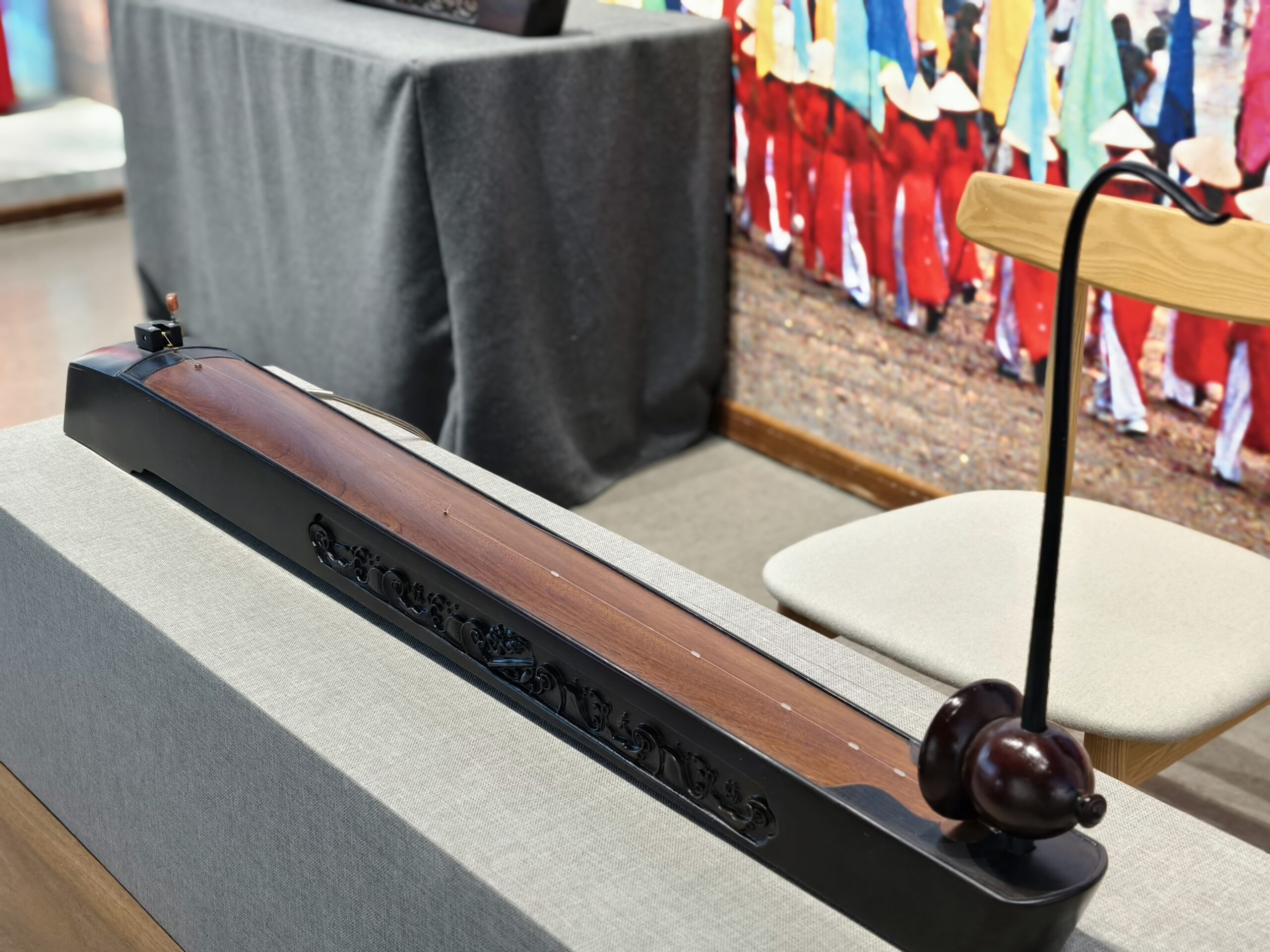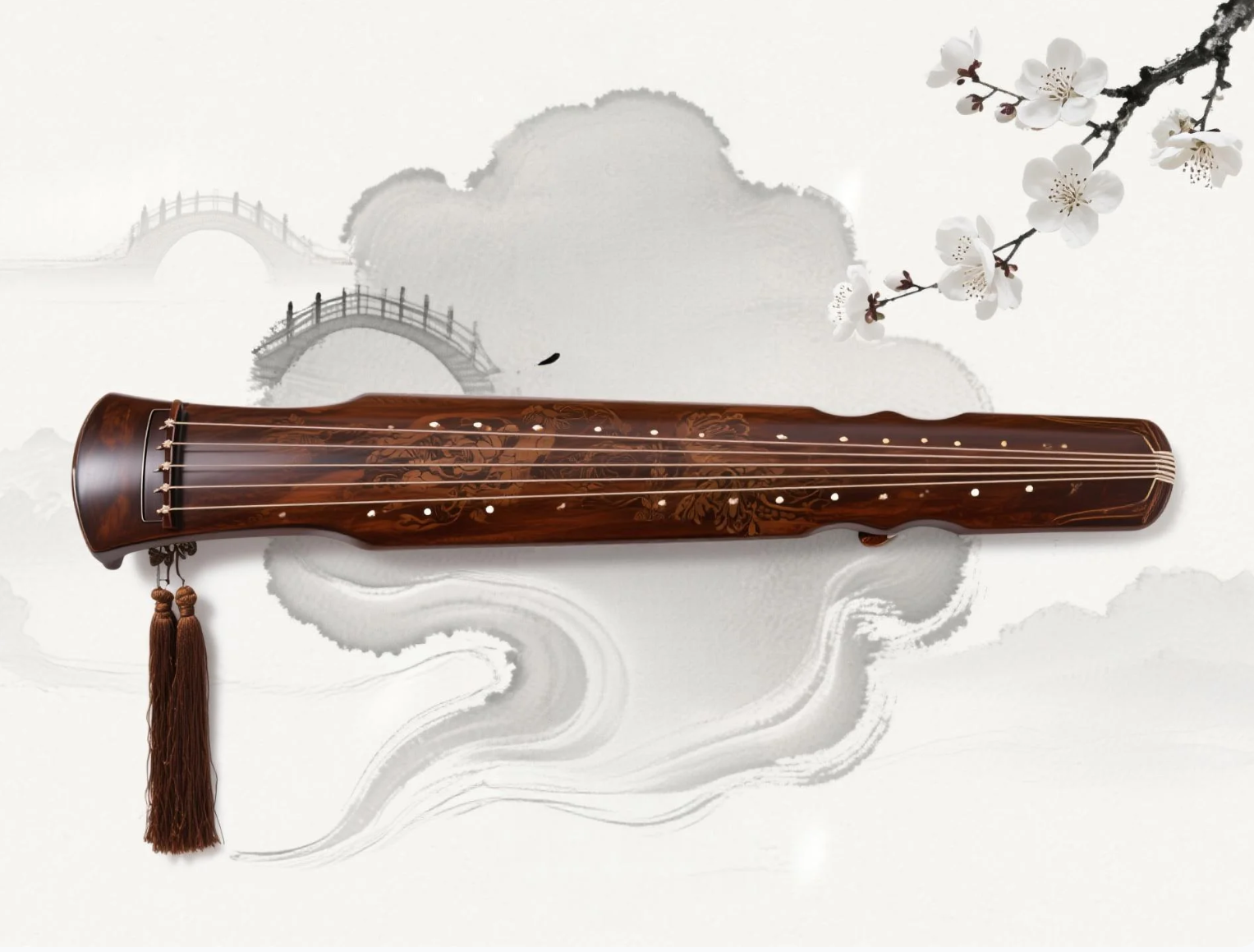
In China, there is an instrument believed to “connect with the divine, calm the soul.” Its sound is described as “the voice of heaven and earth.” This is the guqin, one of the world’s oldest plucked instruments. More than just music, it has been a tool for ancient Chinese scholars to cultivate their minds and express their emotions. In 2008, the art of the guqin was inscribed on UNESCO’s Representative List of the Intangible Cultural Heritage of Humanity. Let’s explore this art form, which carries over 3,000 years of history, and listen to its quiet yet profound echoes.

Key Info Card
Cultural Practice: Guqin Art
Category: Performing Art / Intangible Cultural Heritage
History: Over 3,000 years old. Legend says it was created by ancient sages like Fu Xi and Shen Nong. By Confucius’s time, it was already widely played.
When to Experience: Year-round, but it’s especially meaningful during traditional festivals or scholarly gatherings (like Mid-Autumn Festival or Orchid Pavilion commemorations).
Where to Experience: Originated in China, popular among scholars. Key centers include Zhejiang, Jiangsu, Sichuan, and Beijing, each with its own style.
UNESCO Status: Intangible Cultural Heritage of Humanity (inscribed in 2008).
Why the Guqin Is Special
It’s Philosophy, Not Just Music: The guqin’s sound is quiet and introspective—meant for inner reflection and harmony with nature. It embodies Confucian balance, Daoist tranquility, and Buddhist mindfulness.
The Scholar’s “ID Card”: In ancient China, a true scholar was expected to master four arts: guqin, chess, calligraphy, and painting. The guqin came first—it was a scholar’s companion for expressing emotions and ideals.
How to Experience the Guqin
Listen: The Unique Sound
Tone: Deep, calm, with a metallic-wooden resonance. It’s not loud—best enjoyed in a quiet space alone or with a few friends.
Famous Pieces:
“Flowing Water”(sent into space on the Voyager probe) — evokes streams becoming rivers.
“Plum Blossom Melody”— celebrates the resilience of winter blossoms.
“Wild Geese on the Sandbank”— paints a picture of nature’s serenity.

Watch: Form and Performance
The Instrument: Appreciate its elegant shapes (like “Confucian style” or “Fu Xi style”) and poetic part names—”mountain ridge,” “dragon’s gums,” “wild goose feet.” The back often bears inscriptions and cracks, valued as marks of age.
Playing Style: Relaxed and meditative. Performers seek unity with the instrument.
Experience: Join a Guqin Gathering
Setting: Often held in tea houses, gardens, studios, or museums—anywhere peaceful.
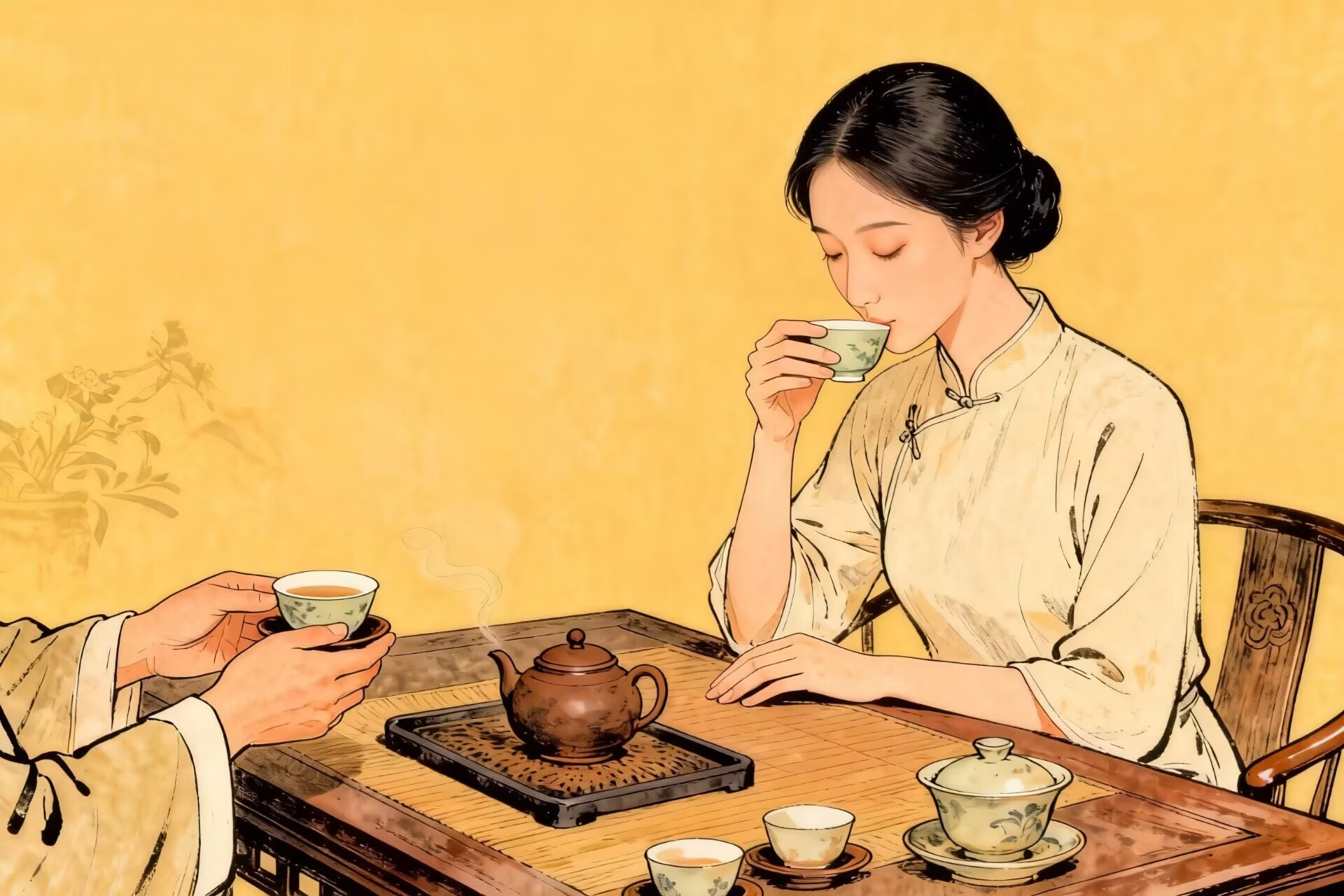
What Happens: A cultural ritual—hand-washing, quiet meditation, appreciating the instrument, listening, tea drinking, and conversation. It’s more than a concert.
Try It: Learn a basic technique like plucking the string, and feel the vibration under your fingers.
Traveler’s Guide: Where to Encounter the Guqin
Beijing: Visit the Palace Museum (home to ancient guqins) or attend a concert at the National Centre for the Performing Arts.
Chengdu: Experience the Sichuan guqin style in a traditional teahouse or near Du Fu’s Thatched Cottage.
Hangzhou/Suzhou: Find guqin studios by West Lake or in classical gardens—perfect harmony of music and landscape.
Shaoxing: Visit the Orchid Pavilion, where scholars once gathered by a winding stream, reciting poetry and playing the guqin.
Pro Tips:
Check local cultural centers or非遗 (intangible heritage) bases for workshops.
Visit during Cultural and Natural Heritage Day (second Saturday of June) for special events.

Final Thought:
When the guqin’s strings vibrate, time seems to slow down. It’s like hearing an ancient Chinese landscape painting come to life.
Copyright Disclaimer for Images
Some images displayed on this website are sourced from the internet and are used for informational and reference purposes only.
We respect the intellectual property rights of all creators. The use of these images is not intended to infringe upon any owner’s copyright.
If you are the copyright holder of any image used on this site and believe it is being used without appropriate permission, please contact us. Upon verification of your ownership claim, we will promptly take the necessary action, which may include removing the image or providing proper attribution as per your request.
Please reach out to us at: [email protected].