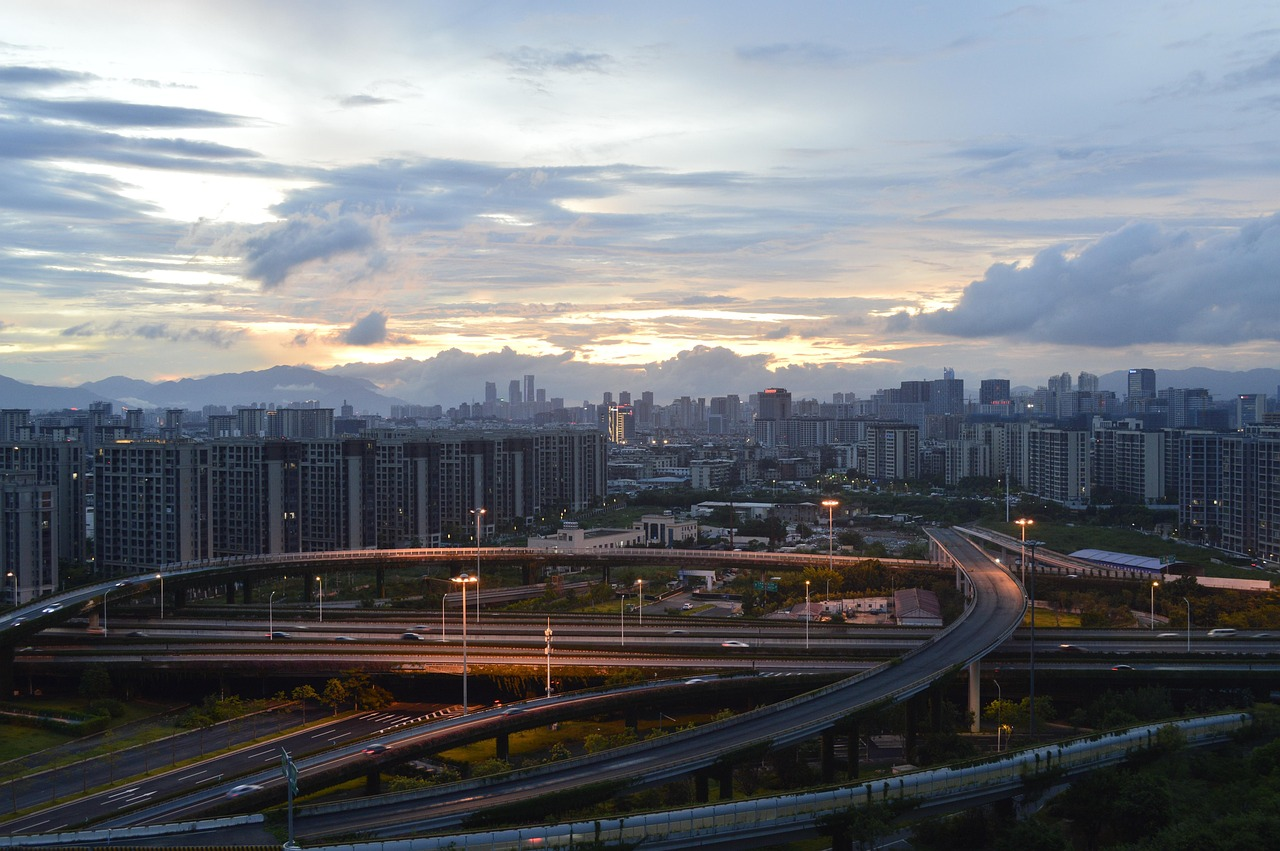
Nestled at the estuary of the Min River on Fujian’s eastern coast, adjacent to the Taiwan Strait, Fuzhou is a millennium-old “City of Banyans”, the cradle of Min culture, and a vital starting point of the Maritime Silk Road. Boasting convenient transportation, Changle International Airport connects to major cities nationwide, while high-speed railways link it directly to economic hubs like the Yangtze River Delta and Pearl River Delta. The city’s metro network covers core areas, ensuring efficient and hassle-free travel. Climate-wise, spring and autumn are the most pleasant seasons. September to November brings clear skies and crisp air, ideal for wandering ancient streets and alleys to soak up historical charm. March to April ushers in the fragrance of new tea, making it a perfect time to visit surrounding tea mountains and savor freshly brewed leaves, offering an authentic taste of local life.
Must-Visit Attractions
- Three Lanes and Seven Alleys: Bluestone paths wind through white-walled, black-tiled courtyard houses from the Ming and Qing dynasties. Home to former residences of notable figures like Yan Fu and Bing Xin, the lanes are perfumed by cotton roses. Each courtyard preserves the essence of Min culture, making it a living museum of Ming and Qing architecture.
- Gushan Mountain: A beloved “backyard” for Fuzhou locals, its ancient hiking trails are lined with cliff carvings from dynasties past, a precious treasure trove of calligraphy art. Reaching the summit rewards visitors with a breathtaking view of the Min River snaking through the city. At the mountain’s foot, Yongquan Temple bustles with incense, where a millennium of Buddhist culture blends seamlessly with the tranquility of the forest.
- Shangxiahang Historic District: Once known as “Fuzhou’s Bund”, it still retains well-preserved dock relics. The Santong Bridge spans the river, and when illuminated at night, its reflections dance on the water. Trendy cafes stand beside time-honored shops, where the prosperity of a century-old commercial port intertwines with modern urban vibrancy.

Food Guide
As the heart of Fujian cuisine, Fuzhou’s dishes captivate palates with their “fresh yet not greasy, light yet rich” flavor profile, each bite showcasing the pure taste of gifts from the mountains and sea. Fish Balls are a taste etched in every Fuzhou local’s memory. Hand-beaten shark meat balls are springy and firm; biting through the thin skin releases a burst of savory broth, with dried shrimp and celery bits adding extra layers of flavor. Wonton Noodles (Rouyan) exemplify artisanal craftsmanship: the paper-thin wonton wrappers are made by repeatedly rolling pork and starch, then filled with freshly minced meat. Cooked until translucent, they are best enjoyed with shrimp sauce or mature vinegar, offering a sweet, sour, fresh, and savory taste that lingers.
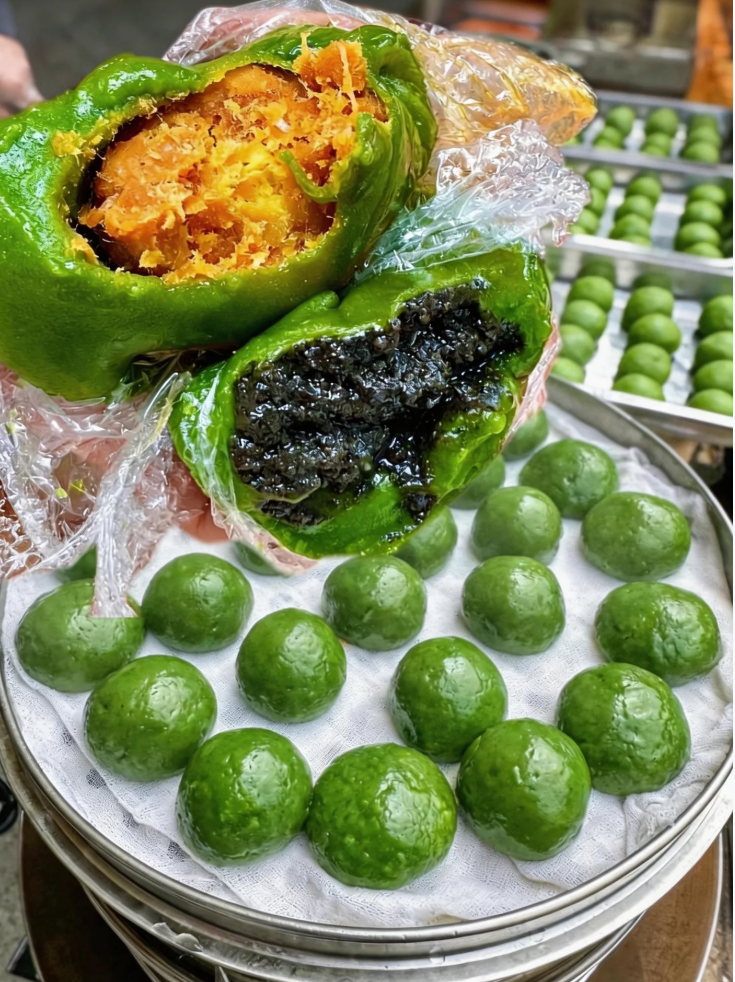
Beyond classic Fujian dishes, Fuzhou’s tea culture and street snacks are not to be missed. Anxi Tieguanyin and Wuyi Rock Tea are widely available. In traditional tea houses, kung fu tea brewed in covered bowls pairs perfectly with creamy, sweet taro puree and refreshing water chestnut cake, creating a leisurely afternoon for locals. For a quintessential street breakfast, try pot-side porridge with oyster pancakes: the smooth, warm porridge made from rice milk complements crispy-on-the-outside, tender-on-the-inside oyster pancakes brimming with seafood flavor. One bite encapsulates the pure, down-to-earth charm of Fuzhou.
Cultural Core
Fuzhou’s cultural essence lies in its inclusivity and perseverance, embodied by the motto “Embrace all rivers with an open mind”. As a key node on the Maritime Silk Road, it has preserved the roots of Central Plains culture while embracing the openness of maritime civilization. From ancient academies where Zhu Xi taught, to the modern Foochow Navy Academy that pioneered Westernization reforms; from overseas Chinese bringing back diverse cultures after working abroad, to today’s drive for innovation and entrepreneurship, Fuzhou has steadily advanced by honoring tradition and embracing change.
The ancient banyan trees, with their twisted roots and lush foliage, mirror the resilient and modest character of Fuzhou people. Known as the “Happy City”, Fuzhou’s charm stems not only from its pleasant climate and abundant resources, but also from the harmonious coexistence of slow-paced street life and rapid urban development. Every visitor can feel the warmth of its culture and the comfort of its lifestyle.

Practical Information
- Best Time to Visit: Prefer spring and autumn to avoid summer heat and typhoon season.
- Transportation: Buses and metro are convenient for inner-city travel; for nearby tea mountains, ride-hailing services or short-distance coaches are recommended.
- Payment: Alipay and WeChat Pay are widely accepted; some traditional shops still take cash.
- Language: Mandarin is universally spoken; locals also use Min dialect, but simple communication is not a problem.
- Dining: When trying Fujian cuisine, inform the restaurant of your spice preference—local flavors are generally light.
- Shopping for Tea: Visit reputable tea shops to experience brewing and tasting on-site before purchasing your favorite blends.
Image sourced from the internet
Copyright Disclaimer for Images
Some images displayed on this website are sourced from the internet and are used for informational and reference purposes only.
We respect the intellectual property rights of all creators. The use of these images is not intended to infringe upon any owner’s copyright.
If you are the copyright holder of any image used on this site and believe it is being used without appropriate permission, please contact us. Upon verification of your ownership claim, we will promptly take the necessary action, which may include removing the image or providing proper attribution as per your request.
Please reach out to us at: [email protected]