Located in southeastern Tibet Autonomous Region, on the north bank of the Lhasa River (a tributary of the Yarlung Zangbo River) and surrounded by the remaining ranges of the Nyainqêntanglha Mountains, Lhasa is a sacred site of Tibetan Buddhism and a spiritual destination for countless people, renowned as the “City of Sunshine.” The city is well-connected: Lhasa Gonggar International Airport links to major cities nationwide, while the Lhasa-Nyingchi Railway and Qinghai-Tibet Railway make overland travel more convenient. Urban roads are clean and smooth, with buses and taxis easily reaching core areas. The best travel season is from May to October, when the weather is sunny, rainfall is scarce, and visitors can fully appreciate the snowy plateau scenery. Winters are cold and dry, but sunshine remains abundant with fewer tourists, ideal for an in-depth experience of religious atmosphere and the winter holy land.
Top Attractions
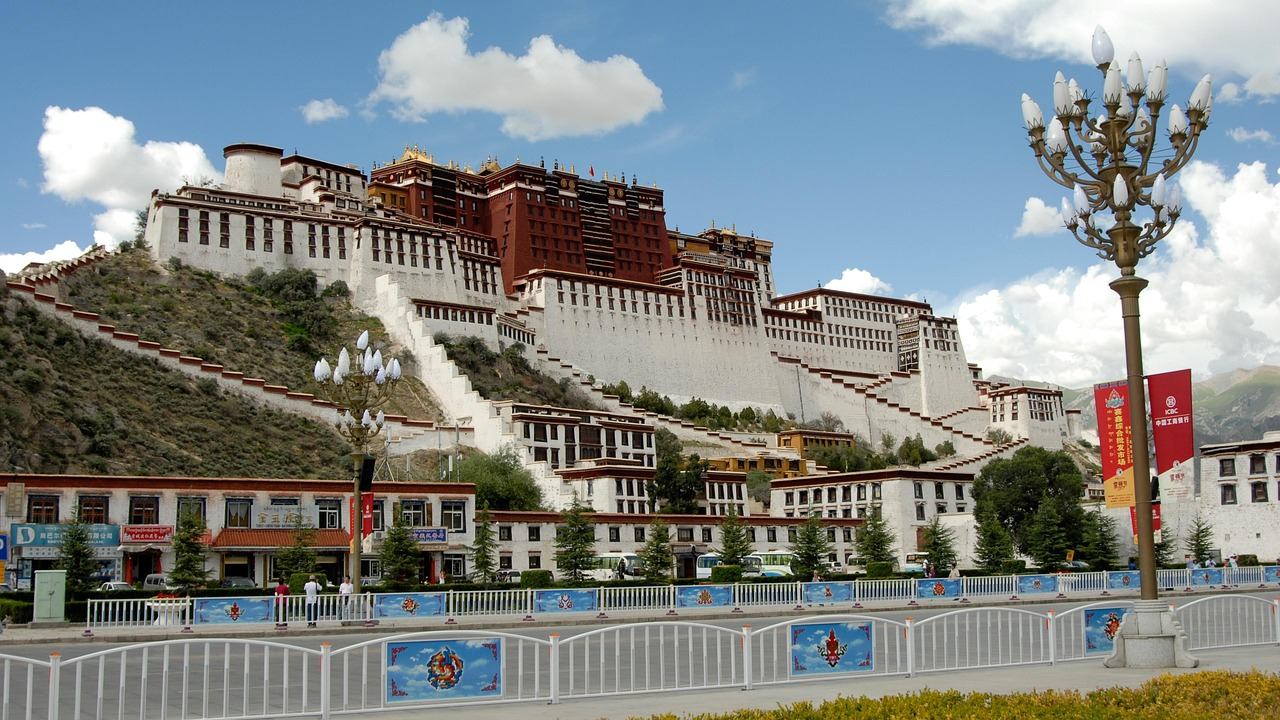
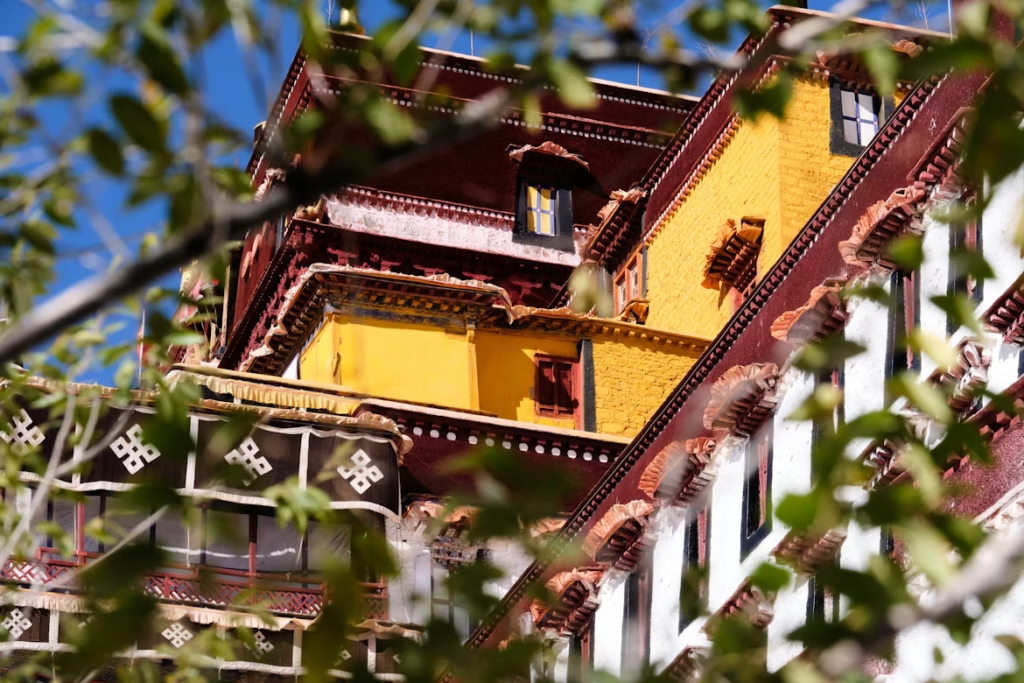
- Potala Palace: The highest palace complex in the world and a masterpiece of Tibetan architecture. Built against the mountain, the Red Palace and White Palace are magnificent, with golden roofs shining brightly in the sun. The palace houses a large number of Buddha statues, murals, scriptures, and treasures, each detail embodying the sacredness and solemnity of Tibetan Buddhism. Climbing to the top offers a panoramic view of Lhasa, allowing visitors to feel the grandeur of the snowy plateau.
- Jokhang Temple: A sacred site for Tibetan Buddhist believers, housing the 12-year-old Sakyamuni Buddha statue with incense burning unceasingly for thousands of years. Its architecture integrates Tibetan, Han, and Nepalese styles, with murals on both sides of the corridors depicting Buddhist stories. The Tang-Tibet Alliance Tablet in front of the temple witnesses the friendship between Han and Tibetan peoples. Wandering through the temple, the sound of scriptures chanting mingles with the footsteps of pilgrims, creating a profound and moving atmosphere of faith.
- Barkhor Street: A circular ancient street surrounding Jokhang Temple, the most vibrant and lively place in Lhasa. lined with Tibetan-style shops selling thangkas, Tibetan incense, turquoise, and other specialty products, the street sees believers in traditional Tibetan attire circumambulating clockwise with prayer wheels. The devout figures of pilgrims prostrating and the laughter of tourists blend together, forming a unique humanistic picture.
- Nam Co Lake: One of Tibet’s three holy lakes, approximately 240 kilometers from Lhasa with an altitude of 4,718 meters. The lake water is as blue as a gem, reflecting the snow-capped peaks of the Nyainqêntanglha Mountains. The grasslands along the lake are lush and fertile, with yaks and Tibetan antelopes wandering leisurely. Being here feels like stepping into a pure and unspoiled fairyland, bringing ultimate spiritual purification.

Food Guide
Lhasa’s cuisine features strong Tibetan characteristics, centered on beef, mutton, tsampa, and butter tea, with mellow and simple flavors full of plateau charm. Butter tea is an indispensable drink in Tibet, made by repeatedly churning butter, tea leaves, and salt in a wooden barrel. Rich and savory, it not only wards off cold and keeps warm but also alleviates altitude sickness. Paired with tsampa (roasted and ground highland barley flour), it is a daily staple for locals—mix tsampa with butter tea or plain tea, knead into small balls by hand, and enjoy its rough yet flavorful texture that becomes more delicious with each chew, providing ample satiety.
Tibetan fragrant pork is a specialty meat in Lhasa, raised in plateau pastures. With firm, tender meat and low fat content, it highlights the natural freshness whether stewed or roasted. Dipped in a little salt and pepper, each bite is filled with the pure flavor of the plateau. Yogurt rice, made by mixing cooked rice with plateau yogurt and adding sugar or honey, is sweet and sour, refreshing and relieving greasiness. Tibetan noodles are a popular street snack—chewy noodles served with rich beef soup and radish slices, warming the heart and stomach, making them an excellent choice to experience local street food.
Cultural Identity
Lhasa’s cultural essence lies in the “faith-first, pure and devout” spirit of the snowy plateau. As the core sacred site of Tibetan Buddhism, its culture has always been closely linked to faith. Pilgrimage, scripture chanting, and religious festivals form an important part of urban life. From the millennium-old inheritance of the Potala Palace to the lingering incense of Jokhang Temple, from the faith and customs cherished by Tibetans for generations to the wisdom of harmonious coexistence between humans and nature, Lhasa has always maintained a pure spiritual core.
The clear blue sky, pure lake water, and towering snow-capped mountains have nurtured the simple and devout nature of Lhasa people. The reputation of the “City of Sunshine” stems not only from its abundant sunshine and magnificent snowy scenery but also from the deep-rooted power of faith and slow-paced lifestyle, allowing every visitor to let go of impetuosity and experience spiritual peace and spiritual baptism.
Travel Tips
- Best Time to Visit: May-October offers pleasant weather and ample sunshine, facilitating travel and sightseeing; winter has fewer tourists, enabling in-depth exploration of religious culture.
- Transportation: Buses and taxis are convenient in the city. For trips to Nam Co Lake, choose chartered cars or tourist shuttles—due to the long distance, plan ahead. The airport is about 60 kilometers from the urban area, with direct access via airport shuttles or taxis.
- Payment: Alipay and WeChat Pay are accepted in major urban shops and scenic spots; cash is the main payment method in some remote pastures and small stores.
- Language: Mandarin is universally spoken. Tibetans use Tibetan, and staff in scenic spots and shops mostly speak bilingual, ensuring smooth communication.
- Tips: Lhasa is located at an altitude of about 3,650 meters; avoid strenuous exercise upon arrival, rest more, drink plenty of water, and prepare anti-altitude sickness medicine in advance. Temperature differences between day and night are large—bring thick outerwear regardless of the season. Respect local religious customs: do not wear short skirts or shorts when entering temples, and do not randomly take photos of Buddha statues or pilgrims. The diet is mainly beef, mutton, and tsampa with a savory taste; prepare some light snacks to adjust your palate if needed.
Image sourced from the internet
Copyright Disclaimer for Images
Some images displayed on this website are sourced from the internet and are used for informational and reference purposes only.
We respect the intellectual property rights of all creators. The use of these images is not intended to infringe upon any owner’s copyright.
If you are the copyright holder of any image used on this site and believe it is being used without appropriate permission, please contact us. Upon verification of your ownership claim, we will promptly take the necessary action, which may include removing the image or providing proper attribution as per your request.
Please reach out to us at: [email protected]