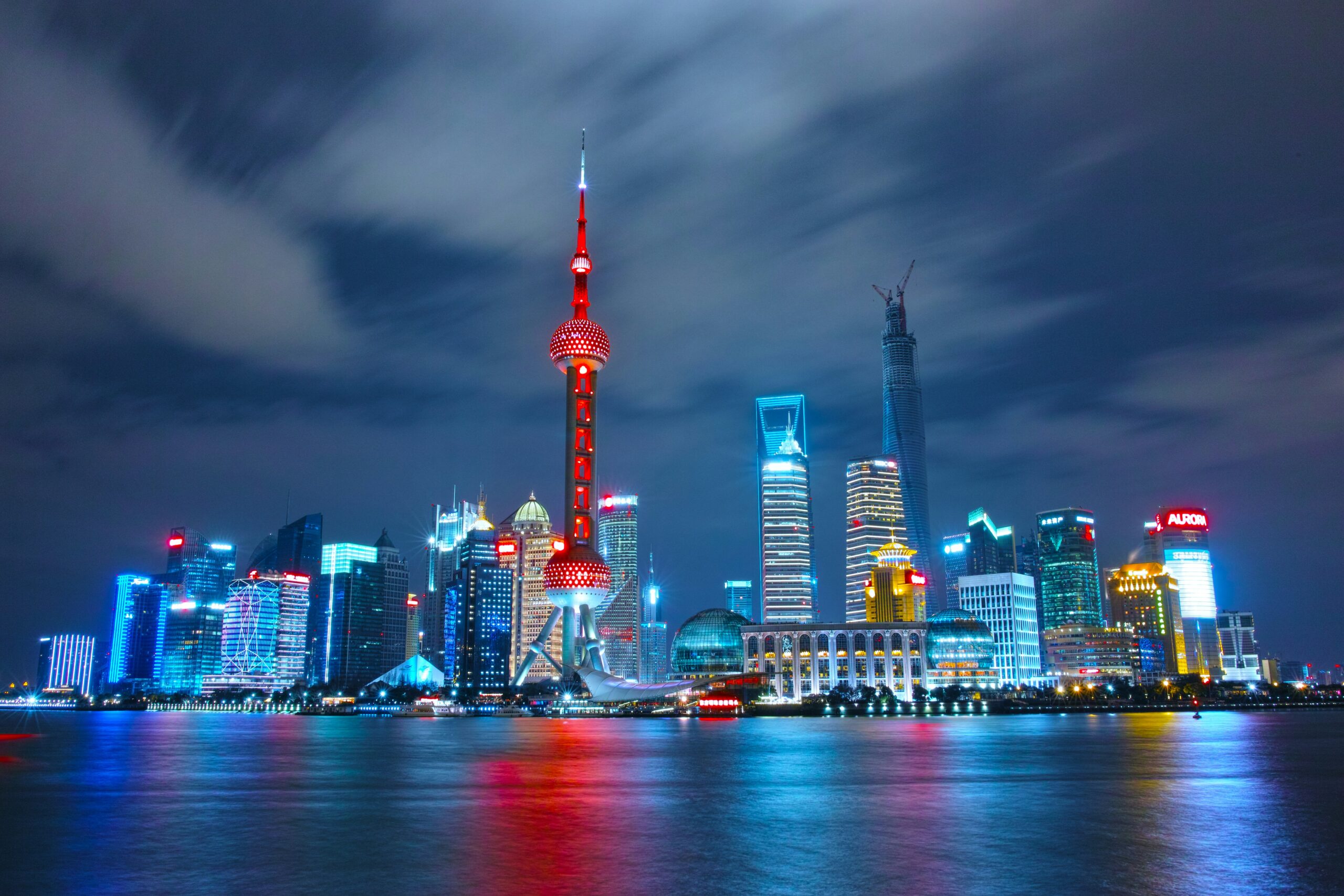
Forget everything you thought you knew about Chinese cities—Shanghai is a mind-blowing blend of futuristic wonder and old-world charm that sparks curiosity at every turn. Picture this: you stand on the Bund, gazing up at grand century-old European-style buildings, then glance across the river to see skyscrapers piercing the clouds, their neon lights dancing vividly after dark. Wander just five minutes into a hidden alleyway, and suddenly you’re surrounded by traditional shikumen houses, where locals chat over tea and the aroma of pan-fried pork buns fills the air. This is more than just a city—it’s a place where ancient traditions coexist with cutting-edge modernity, where luxury rooftop bars lie steps away from bustling street food stalls, and every corner holds an unexpected surprise. Known as the “Paris of the East”, Shanghai lets you truly feel the pulse of modern China—equal parts thrilling, authentic, and utterly captivating.
Getting There & Getting Around
Arriving in Shanghai
By Air: Fly into Shanghai Pudong International Airport (PVG) or Shanghai Hongqiao International Airport (SHA). PVG mainly operates long-haul international flights (to destinations like New York, London, and Tokyo), while SHA is closer to the city center, focusing on domestic and regional routes (such as Seoul and Hong Kong). Both airports offer fast metro and taxi services to downtown areas, ensuring convenient travel. By High-Speed Train: This is hands down the best way to travel to Shanghai from other Chinese cities—it’s fast, comfortable, and scenic!
- From Beijing: ~4.5 hours (covering 1,300 km in less time than a flight, with no tedious security checks!)
- From Nanjing: ~1.5 hours (perfect for a day trip)
- From Hangzhou: ~45 minutes (ideal to combine with a visit to West Lake)Tickets can be purchased on Trip.com, Ctrip, or directly at railway stations. Self-service kiosks with English interfaces are available at stations for easy operation.
Getting Around the City & Surroundings
Urban Travel: Didi (China’s version of Uber) supports English interfaces and is easy to use. Metro Lines 1–20 cover all core areas; you can buy single-ride tickets or apply for a “Shanghai Public Transport Card” via Alipay to take buses and ferries (no cash required).
Sightseeing Travel: Skip expensive cruises—take the Huangpu River ferry between the Bund and Pudong. It only costs a few yuan and offers equally stunning views of the city skyline. For night tours, join a walking tour of the Bund to delve into its history and culture, or charter a private car for a flexible itinerary.
Local Exploration: Rent an e-bike or regular bicycle to wander through the tree-lined streets of the French Concession or the narrow lanes of Tianzifang. This is the best way to slow down, discover hidden cafes, boutique shops, and experience authentic local life.
Must-Do & Must-See Attraction
- The Bund: Shanghai’s most iconic landmark, a 1.5-kilometer waterfront lined with 52 historic neoclassical buildings. It feels like stepping into a European city, yet with the futuristic Pudong skyline as a backdrop, creating a visually striking contrast. The night view is unmissable—when the buildings are illuminated, the interplay of light and shadow is absolutely breathtaking.
Pro Tip: Visit during golden hour (one hour before sunset) for the best photos. Warm sunlight bathes the old buildings, the sky turns pink, and the city’s neon lights gradually come on, guaranteeing perfect shots.
- Pudong Skyline: This is where Shanghai showcases its futuristic side! Climb the Shanghai Tower (the world’s second-tallest building) and enjoy a bird’s-eye view of the entire city from its 632-meter observation deck, or take photos of the Oriental Pearl TV Tower’s unique spherical design. It forms a sharp contrast with the Bund and is a perfect spot for Instagram-worthy pictures.
Must-Experience: Book a table at a rooftop bar here (such as Flair at The Ritz-Carlton) to enjoy afternoon tea while taking in panoramic city views.
- Yuyuan Garden & City God Temple Bazaar: Escape the hustle and bustle of skyscrapers and step into this serene and elegant classical Chinese garden—with winding paths, stacked rockeries, reflecting ponds, and red lanterns dotting the landscape. Outside the garden, the bustling bazaar is a feast for the senses, lined with stalls selling snacks, traditional handicrafts, and souvenirs.
Pro Tip: Don’t leave without trying the steamed buns at the time-honored Nanxiang Steamed Bun Restaurant near the entrance (look for the long queue!). Remember to bite a small hole first, sip the delicious broth inside, then enjoy the bun—trust us, this avoids the messy surprise of broth spilling on your clothes!
- French Concession: A leafy, laid-back area dotted with colonial-era villas, cozy cafes, and boutique shops. Spend a leisurely afternoon strolling along Huaihai Road or Fuxing Road, and you’ll feel like you’re in Europe—with occasional glimpses of local life (like elderly grandmas practicing tai chi in parks).
Must-Visit: Tianzifang, an art district transformed from shikumen alleyways, filled with art studios, cafes, and small shops. It’s ideal for picking up unique souvenirs and soaking up Shanghai’s artistic vibe.
- Shanghai Museum: One of China’s top-tier museums—and it’s free to enter! The museum houses over 1 million cultural relics, including ancient bronze ware, exquisite porcelain, calligraphy, and paintings. It’s a great way to learn about Chinese history without feeling overwhelmed.
Pro Tip: Join a free English-guided tour (check the museum’s official website for schedules) to hear fascinating stories behind the artifacts.
Local Food to Try
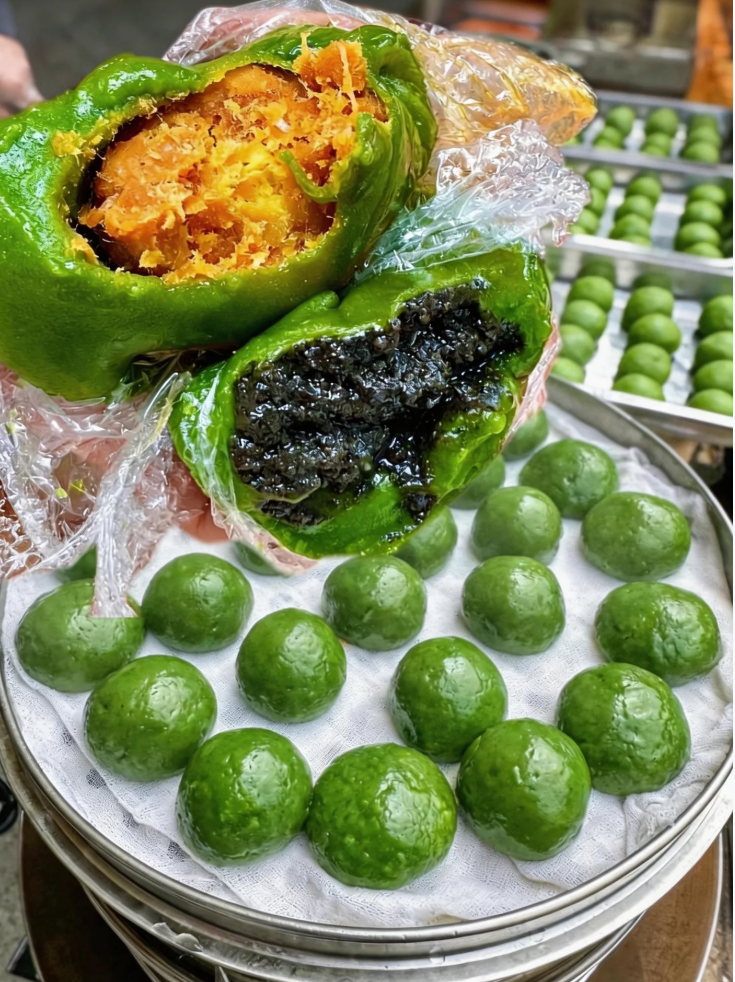
- Nanxiang Steamed Buns: Shanghai’s most famous dish—thin-skinned buns filled with juicy pork and savory broth. Head to the time-honored Nanxiang Steamed Bun Restaurant near Yuyuan Garden (look for the long queue!)—it has been serving these buns since 1871. Remember the way to eat them: bite first, sip next, then enjoy!
- Shengjianbao (Pan-Fried Pork Buns): Golden and crispy on the bottom, soft on top, and filled with tender pork. Try them at Yang’s Fried Dumplings, a popular local chain. Pair with a dash of vinegar for extra flavor—they’re a favorite breakfast for both locals and tourists.
- Braised Pork Belly: A classic home-style dish. Pork is slow-cooked in soy sauce and sugar until it melts in your mouth, with a perfect balance of sweet and savory flavors. It’s incredibly comforting—look for it at local benbang (Shanghai-style) restaurants.
- Scallion Oil Noodles: Simple yet full of flavor—chewy noodles tossed in fragrant scallion oil. It’s affordable, quick to serve, and a great street food option, perfect for a light lunch or late-night snack. You can find it at small noodle shops all over the city.
- Smoked Fish: A traditional appetizer. Crispy fried fish is marinated in a sweet and savory sauce, resulting in a crunchy exterior and tender interior. It’s a common starter at family-style dinners and has a unique flavor.
Travel Tips
- Best Time to Visit: March–May (when flowers bloom and the weather is mild) or September–November (during the cool and pleasant autumn). Avoid July–August, when the weather is hot and humid and the city is crowded with tourists. January–February is cold, but the city is beautifully decorated for Chinese New Year, offering a unique festive experience.
- Visa: Most travelers need to apply for a tourist visa in advance—we recommend allowing 1–2 months for processing. Good news: citizens of over 50 countries are eligible for a 240-hour visa-free transit if they are passing through Shanghai to another country. Check the official Chinese government website to confirm your eligibility.
- Payment Methods: WeChat Pay and Alipay are widely accepted. You can link your overseas bank card to use them (ask hotel staff for assistance). However, carry some small-denomination RMB cash (10, 20, and 50 yuan notes)—street vendors and small local shops usually don’t accept credit cards or mobile payments.
- Etiquette Tips: Always queue politely in public places (locals take queuing very seriously). Ask for permission before taking photos of locals, especially in alleyways or traditional areas. If invited into a local’s home, remember to take off your shoes. Avoid pointing at others with your finger.
- Language: Mandarin is the official language, but most staff at hotels, restaurants, and tourist attractions can speak basic English. We recommend downloading a translation app (such as Google Translate or Baidu Translate) to read menus or communicate with locals—it will be extremely useful!
- Emergency: Memorize the emergency numbers—110 for police, 120 for medical emergencies, and 119 for fire services. Some emergency operators can speak English, but it’s helpful to have your hotel address written in Chinese in advance, just in case.
Ready to explore Shanghai’s unique blend of ancient and modern charm? Save this guide, pack your sense of adventure, and embark on a memorable journey! From juicy steamed buns to sky-high city views, this city is waiting to surprise you!
Image sourced from the internet
Copyright Disclaimer for Images
Some images displayed on this website are sourced from the internet and are used for informational and reference purposes only.
We respect the intellectual property rights of all creators. The use of these images is not intended to infringe upon any owner’s copyright.
If you are the copyright holder of any image used on this site and believe it is being used without appropriate permission, please contact us. Upon verification of your ownership claim, we will promptly take the necessary action, which may include removing the image or providing proper attribution as per your request.
Please reach out to us at: [email protected]