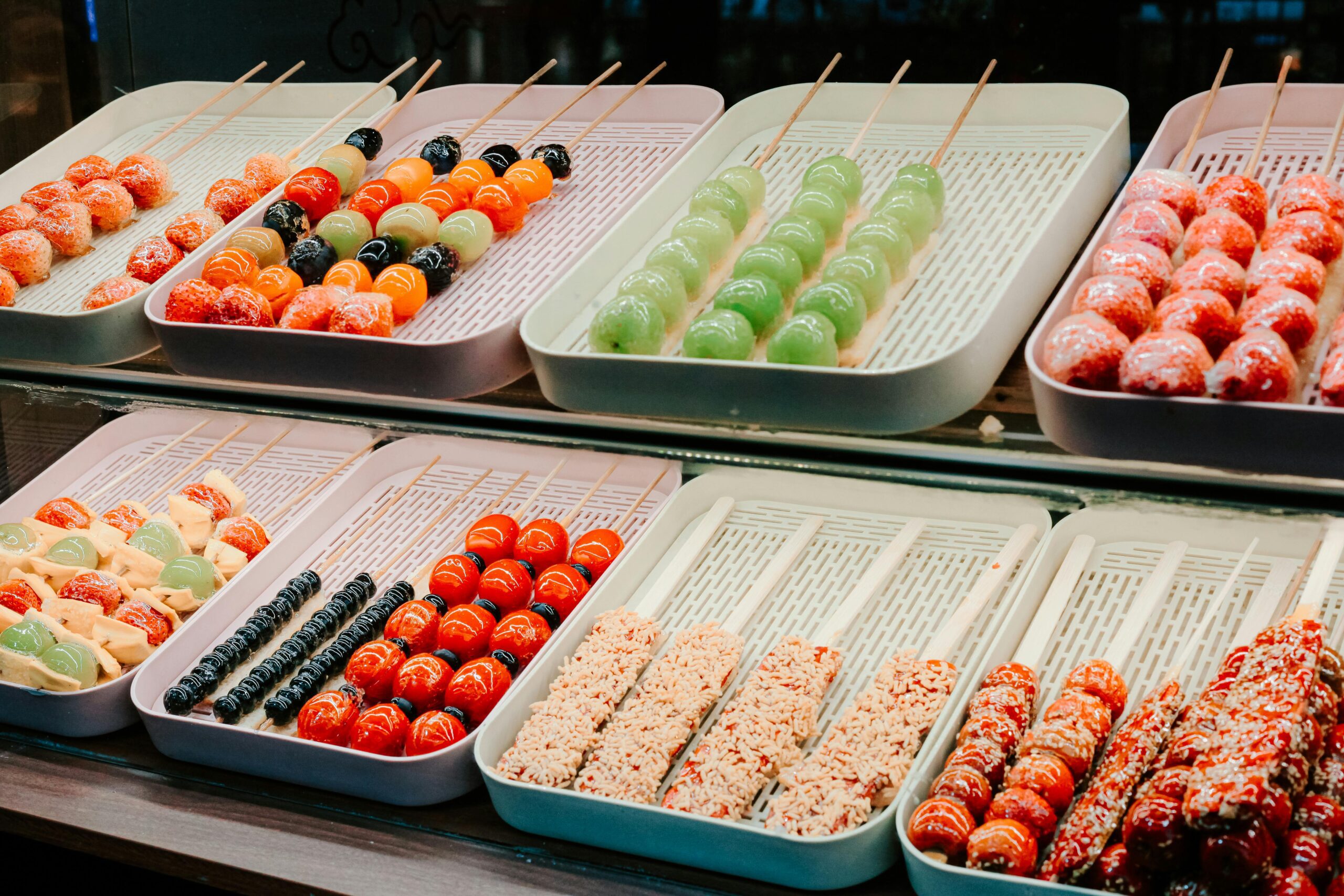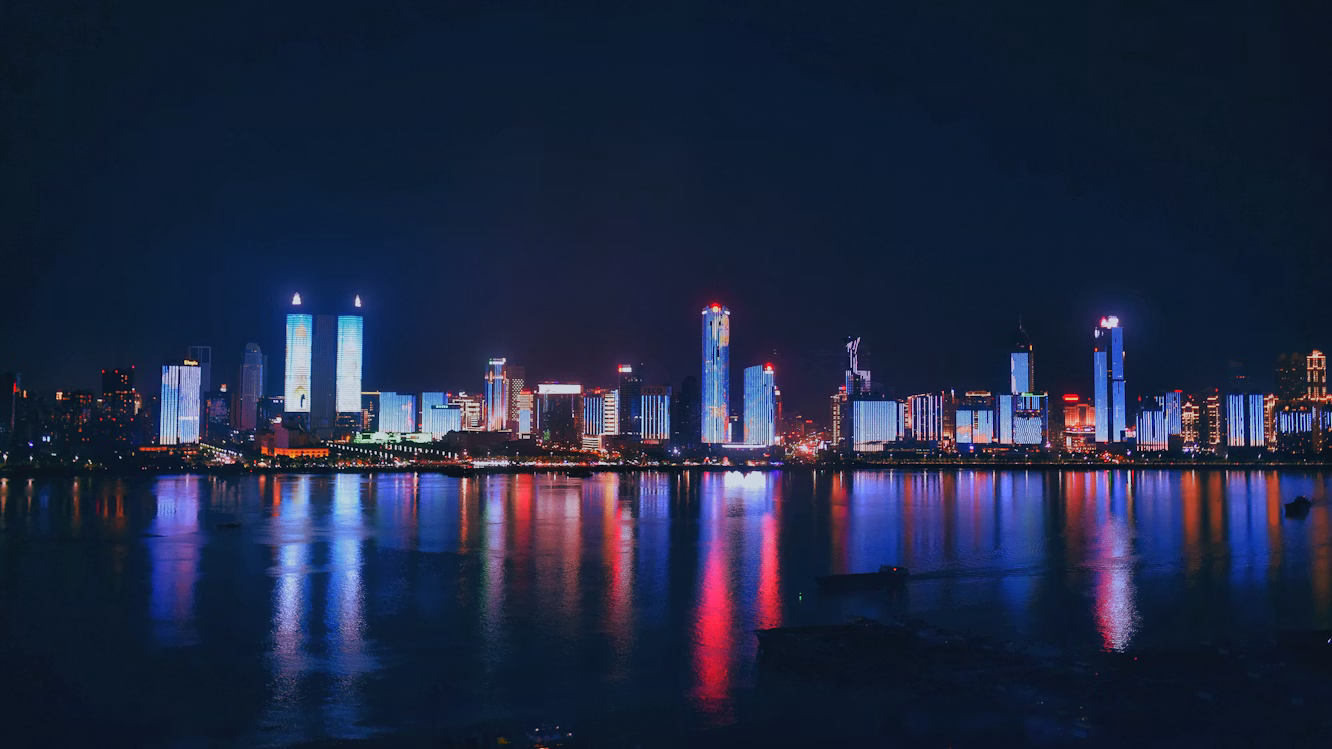
Forget the underrated labels—Nanchang is a hidden gem on the Gan River that weaves poetic southern Chinese charm, heroic red history, and bold Gan cuisine into an unforgettable journey. Picture this: you savor a bowl of silky mixed rice noodles with fragrant broth at a street stall, climb the iconic Tengwang Pavilion to watch the sunset paint the river gold, wander ancient lanes lit up with red lanterns as locals chat, and stand in the square where China’s army was born, feeling the weight of history in every breeze. This is Nanchang: a city where age-old verses meet modern vitality, where quiet lakeside walks blend with lively night markets, and where every bite of local food tells a story of Jiangxi’s rich culinary heritage. Not too crowded, full of genuine warmth, it’s the perfect spot to discover the real soul of eastern China’s river cities.
Getting There & Getting Around
Arriving in Nanchang
- By Air: Fly into Nanchang Changbei International Airport (KHN), with direct flights to major Chinese cities and regional Asian destinations. Airport shuttles, metro Line 1 and taxis run straight to the city center—all just 30 minutes away.
- By High-Speed Train: The most convenient way to reach Nanchang from nearby cities, with seamless connections to the national high-speed rail network.
- From Changsha: ~1.5 hours
- From Shanghai: ~4 hours
- From Guangzhou: ~3.5 hours
- From Wuhan: ~2 hoursTickets are available on Ctrip/Trip.com or at station self-service kiosks with English interfaces—no hassle for foreign visitors.
Getting Around the City
- Metro & Bus: Metro Lines 1-4 cover all core attractions (Tengwang Pavilion, Bayi Square, Wanshou Palace) with clear English signs and cheap single tickets. Alipay/WeChat Pay transit passes work for both metro and buses, which reach every neighborhood.
- Ride-Hailing: Didi Chuxing (English-supported) is ideal for late-night trips, day trips to Meiling Mountain or Poyang Lake, and travel with luggage—affordable and reliable.
- Leisure Exploration: Walk or rent a bike to explore the Gan River Ecological Park and ancient blocks like Shengjin Pagoda. Slow down to feel the city’s relaxed riverfront rhythm and spot local life at every turn.
- Day Trips: For Meiling National Forest Park (hiking) or Poyang Lake (bird watching), book a small group tour or take a direct tourist bus from the city center—avoid transfer troubles with one-stop rides.
Must-Do & Must-See Attractions

- Tengwang PavilionThe iconic symbol of Nanchang and one of China’s Three Great Southern Pavilions, famous for the Tang Dynasty poem Preface to the Tengwang Pavilion that immortalized its river views. Climb to the 6th floor for the best panoramic view of the Gan River, where the sunset and river merge into a golden hue—just like the poem describes.Pro Tip: Visit at golden hour (1 hour before sunset) and stay for the night show Dreaming of Tengwang Pavilion—a stunning light and real-life performance that brings the ancient poem to life. Recite the full poem and get FREE entry to the pavilion!
- Bayi Square & Bayi Uprising Memorial HallThe heart of Nanchang’s Red Heritage—Bayi Square is the city’s central square with a towering memorial tower for the 1927 Nanchang Uprising, where China’s People’s Liberation Army was born. The adjacent Bayi Uprising Memorial Hall tells the heroic story with historical relics and English explanations.Pro Tip: The memorial hall is free to enter (book tickets online in advance); visit in the morning to avoid crowds and learn about Nanchang’s “Hero City” legacy.
- Wanshou Palace Historical and Cultural BlockA 4A scenic spot with over 100 late Qing Gan-style buildings—blending ancient architecture, non-heritage culture, and lively food markets. Wander the stone streets lined with red lanterns, shop for local handicrafts, and taste authentic Gan snacks day and night.Pro Tip: Don’t miss the 3D light show on the ancient building facades at night—it’s a magical mix of tradition and modernity.
- Gan River Ecological Park & Qiushui SquareA 28-kilometer riverside green belt along the Gan River, perfect for leisurely walks, picnics, and sunset watching. Qiushui Square next to it is home to Asia’s largest musical fountain—the 128m main spray dances with music and colored lights every evening, a must-see night attraction.Pro Tip: Watch the fountain at 19:30 or 20:30; stand a little far to avoid getting splashed and enjoy the view with the Gan River’s twinkling lights.
- Shengjin Pagoda Historical BlockAn 1,100-year-old ancient pagoda with typical Jiangnan architecture, surrounded by a lively food street and non-heritage markets. The pagoda is lit up at night, and the block is full of local snacks, tea houses, and folk culture performances—an authentic taste of Nanchang’s daily life.Pro Tip: Try the local street food here for dinner; the average cost is just ¥20 per person for a full meal.
Local Food You Can’t Leave Without Trying
- Nanchang Mixed Rice Noodles: The city’s signature breakfast—silky rice noodles tossed with pickled vegetables, peanuts, sesame sauce and spicy oil. Customize the spiciness and add braised pork for an extra treat—simple but incredibly flavorful.
- Clay Pot Soup: A Gan cuisine classic—slow-cooked soups (pork patty, lotus root, black chicken) in small clay pots, fragrant and nourishing. Pair it with mixed rice noodles for the perfect Nanchang breakfast combo, found at every street stall.
- Steamed Pork with Rice Flour: Tender pork belly coated in seasoned rice flour, steamed to softness with dried lotus leaves. The meat is juicy and the rice flour absorbs all the flavor— a staple of Gan family feasts.
- Braised Fish in Oil: A Jiangxi specialty—fresh river fish braised in soy sauce, chili and green onions, with tender flesh and a rich, savory broth. A must-try at local Gan-style restaurants.
- Rice Noodles with Eel: A local delicacy—fresh eel cooked with rice noodles in a spicy and sour broth, with a unique chewy texture. For adventurous foodies, it’s the ultimate Nanchang street food experience.
Travel Tips for Visitors
- Best Time to Visit: March–May (mild spring) or September–November (crisp autumn)—perfect for river walks, hiking Meiling Mountain and outdoor activities. Avoid summer (hot/humid) and mid-winter (damp/cold).
- Cuisine Tip: Gan food is bold and savory (not as spicy as Hunan food). Ask for “bu tai la” (not too spicy) if you don’t like heat—all local stalls and restaurants will adjust for you.
- Payment: WeChat Pay and Alipay are accepted everywhere (link your overseas bank card with hotel staff help). Carry a small amount of cash (¥10/20/50) only for tiny street food stalls.
- Etiquette: Locals are warm and straightforward. Ask permission before taking photos of elders in ancient blocks; speak softly in memorial halls and cultural sites to show respect for history.
- Language: Mandarin is the main language; basic English is spoken at major attractions, hotels and tourist centers. Download a translation app (Google Translate) for menus and casual chats—super useful for street food stalls.
- Emergency: Police: 110, Ambulance: 120, Fire: 119. Keep your hotel address written in Chinese (ask the front desk) for quick communication in emergencies.
Ready to dive into Nanchang’s poetic river views, heroic history and bold Gan flavor feasts? Save this guide, bring an empty stomach and a curious mind, and let this hidden Gan River gem surprise you with its unique charm.
Follow us for more insider guides to China’s underrated cities—no tourist traps, just authentic local experiences.
Image sourced from the internet
Copyright Disclaimer for Images
Some images displayed on this website are sourced from the internet and are used for informational and reference purposes only.
We respect the intellectual property rights of all creators. The use of these images is not intended to infringe upon any owner’s copyright.
If you are the copyright holder of any image used on this site and believe it is being used without appropriate permission, please contact us. Upon verification of your ownership claim, we will promptly take the necessary action, which may include removing the image or providing proper attribution as per your request.
Please reach out to us at: [email protected]