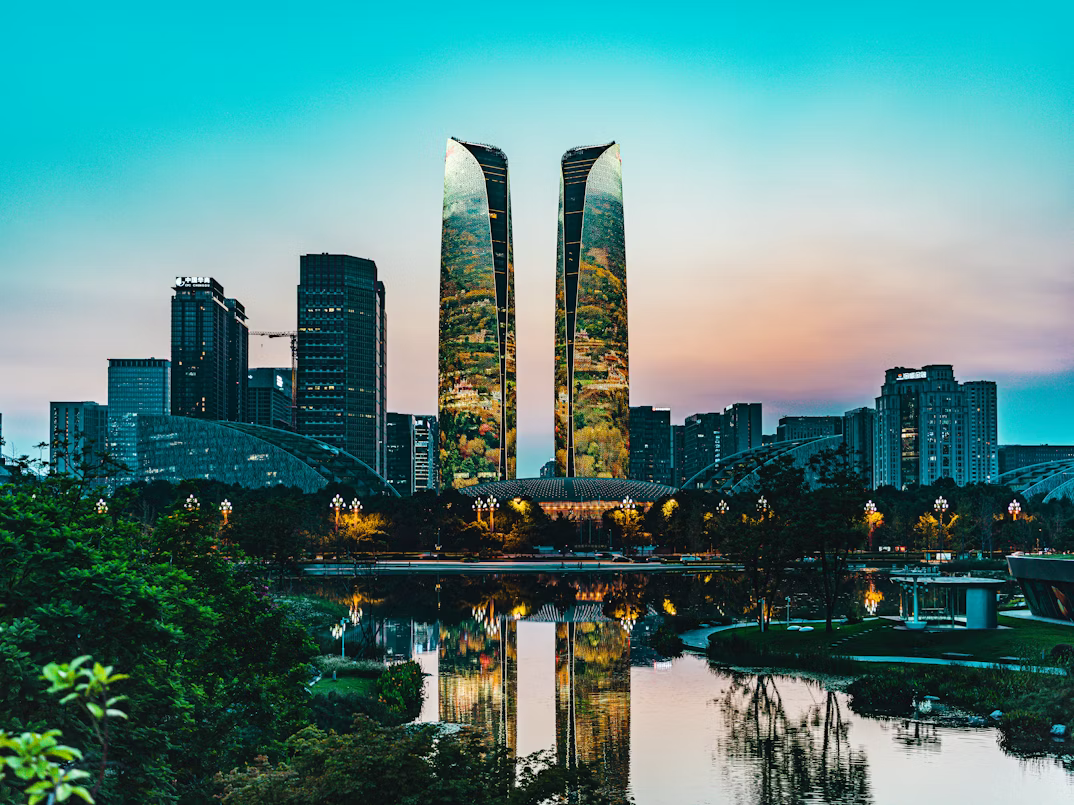

Forget just labeling it a “panda city”—Chengdu is the soul of the Tianfu Land, a laid-back riverside metropolis where the Min River nurtures thousands of years of ancient Shu civilization. It blends the cuteness of giant pandas, the solemnity of Three Kingdoms relics, the tranquility of Dujiangyan’s 2,300-year-old water project, the bold numbing-spicy flavors of Sichuan cuisine, and the unhurried tea-house culture into an unforgettable journey. Imagine this: you sip a bowl of fragrant dan dan noodles at a street stall at dawn, watch fluffy pandas munch on bamboo shoots at the Panda Base at sunrise, sit in He Ming Teahouse in People’s Park for a cup of covered-bowl tea with a traditional ear-cleaning service, and wander the lantern-lit Jinli Ancient Street at night where folk music floats in the air. This is Chengdu: a city where millennium-old history meets modern vibrancy, where “an easeful life” is not a slogan but a daily reality, and every bite of local food tells the story of Sichuan’s rich culinary heritage. Never rushed, full of warm hospitality, it’s the perfect destination to discover the relaxed soul of southwest China.
Getting There & Getting Around
Arriving in Chengdu
- By Air: Fly into Chengdu Shuangliu International Airport (CTU) and Chengdu Tianfu International Airport (TFU). TFU serves more long-haul international flights, while CTU has extensive domestic connections. Metro lines link both airports to the city center—TFU via Line 18 (around 50 mins), CTU via Line 10 (around 35 mins). Airport shuttles and taxis are also available.
- By High-Speed Train: The preferred way to travel to Chengdu from nearby cities, with a dense high-speed rail network.
- From Chongqing: ~1 hour
- From Xi’an: ~4 hours
- From Shanghai: ~10 hours
- From Beijing: ~8 hoursTickets can be booked on Ctrip/Trip.com or at station self-service kiosks with English interfaces, making it stress-free for international travelers.
Getting Around the City
- Metro & Bus: Metro Lines 1–19 cover all core attractions (Panda Base, Wuhou Shrine, Jinli, Chunxi Road). Signage has clear English translations, and fares are cheap. WeChat Pay/Alipay transit cards work for both metro and buses, which reach every corner of the city.
- Ride-Hailing & Bikes: Didi Chuxing has an English version, great for late-night trips or traveling with luggage. Rent a shared bike to wander the narrow lanes of Kuanzhai Alleys or around People’s Park for an authentic local vibe.
- Day Trips: For Dujiangyan Irrigation Project and Qingcheng Mountain (UNESCO sites), book a small-group tour or take a direct high-speed rail/coach from the city center (about 1 hour by train).

Must-Do & Must-See Attractions
- Chengdu Research Base of Giant Panda BreedingThe world’s most famous panda conservation center, a must-visit. Arrive before 8 am—this is when pandas are most active, munching bamboo and playing. Don’t miss the Sun & Moon Nurseries to see fluffy panda cubs. Free shuttle buses run between the metro Panda Avenue Station and the base.Pro Tip: Book tickets online in advance; avoid weekends/holidays for fewer crowds. The panda-themed ice cream is a fun photo prop.
- Wuhou Shrine & Jinli Ancient StreetWuhou Shrine is China’s only temple honoring both a monarch (Liu Bei) and his minister (Zhuge Liang), a sacred spot for Three Kingdoms fans. The red wall and bamboo path here are incredibly photogenic. Right next door is Jinli Ancient Street—a traditional lane with lanterns, folk crafts, and snack stalls. Visit at night when all the lanterns are lit for a magical, poetic atmosphere.Pro Tip: Skip the overpriced tourist snacks on Jinli’s main street; head to nearby Kuanzhai Alleys for authentic local treats.
- Dujiangyan Irrigation Project & Qingcheng MountainA UNESCO World Heritage Site combo not to be missed. The Dujiangyan Irrigation System, built over 2,300 years ago by Li Bing, still irrigates the Chengdu Plain today—an engineering marvel. Qingcheng Mountain, the birthplace of Taoism, has lush forests, quiet trails, and ancient Taoist temples.Pro Tip: Visit Dujiangyan in the morning and Qingcheng Mountain in the afternoon; take the cable car up Qingcheng Mountain to save energy.
- People’s Park & He Ming TeahouseThe heart of Chengdu’s “slow life”. Sit in the historic He Ming Teahouse, order a bowl of covered-bowl tea, and treat yourself to a traditional ear-cleaning service—this is the authentic Chengdu leisure experience. Stroll around the park to watch locals play mahjong or practice tai chi.
- Chunxi Road & Taikoo Li (IFS Panda)Chengdu’s busiest commercial district. Taikoo Li blends modern shopping malls with ancient Daci Temple. The iconic climbing panda sculpture on the IFS rooftop is a global photo spot. Walk along Chunxi Road, where modern shops mix with time-honored snack stalls.

Local Food You Can’t Leave Without Trying
- Sichuan Hot PotChengdu’s signature dish—spicy, numbing broth with Sichuan peppercorns and chili oil. You can choose a split pot (mild on one side, spicy on the other). Cook fresh beef, mushrooms, tofu, and greens in the pot. It’s a social dining experience not to be missed.
- Mapo TofuA classic Sichuan dish—soft tofu cooked in a spicy, numbing sauce with minced pork. It’s creamy, hot, and packed with flavor, a staple at every local restaurant.
- Dan Dan NoodlesA beloved Sichuan noodle dish—thin noodles tossed in sesame paste, chili oil, minced pork, and scallions. It’s savory, spicy, and incredibly satisfying, a perfect breakfast or snack.
- Liangfen (Cold Vermicelli)A refreshing summer snack—silky vermicelli dressed with chili oil, vinegar, garlic, and peanuts. It’s cool, tangy, and spicy, great for beating the heat.
- Tangyouguozi (Sugar Oil Balls)A sweet street snack—glutinous rice balls fried until crispy, coated in a caramelized sugar glaze. They are sweet, chewy, and fragrant, popular with both kids and adults.
Travel Tips for Visitors
- Best Time to Visit: March–May (mild spring, blooming flowers and comfortable temperatures) or September–November (crisp autumn, ideal for panda watching and mountain hiking). Avoid the hot, humid summer (June–August) and cold, damp winter.
- Cuisine Tip: Sichuan food is famous for málà (numbing-spicy). If you can’t handle spice, ask for “less spicy (shao la)” or “non-spicy (wu la)”—all local restaurants will adjust the seasoning for you.
- Payment: WeChat Pay and Alipay are accepted almost everywhere. Ask your hotel staff to help link your overseas bank card. Carry a small amount of cash (¥10/20/50 notes) for tiny street stalls that don’t accept mobile payments.
- Etiquette: Ask permission before taking photos of locals, especially in tea houses or ancient alleys. Keep your voice down in museums and temples. Don’t disturb pandas when taking photos at the panda base.
- Language: Mandarin is the main language. Basic English is available at major attractions, hotels, and tourist centers. Download Google Translate for menu reading and casual conversations—it’s essential for street food adventures.
- Emergency Contacts: Police: 110, Ambulance: 120, Fire: 119. Ask the hotel front desk to write down your hotel’s address in Chinese to show taxi drivers or use in emergencies.
Ready to immerse yourself in Chengdu’s panda cuteness, Three Kingdoms grandeur, and bold Sichuan flavors? Save this guide, bring an empty stomach and an open mind, and let this laid-back ancient capital surprise you with its unique charm.
Follow us for more insider guides to China’s underrated cities—no tourist traps, just authentic local experiences.
Image sourced from the internet
Copyright Disclaimer for Images
Some images displayed on this website are sourced from the internet and are used for informational and reference purposes only.
We respect the intellectual property rights of all creators. The use of these images is not intended to infringe upon any owner’s copyright.
If you are the copyright holder of any image used on this site and believe it is being used without appropriate permission, please contact us. Upon verification of your ownership claim, we will promptly take the necessary action, which may include removing the image or providing proper attribution as per your request.
Please reach out to us at: [email protected]