Introduction: The Wearable Library
Imagine clothing as a wearable library of history and art. This is Hanfu, China’s most traditional garment system. With a lineage spanning over 3,000 years, it is the historic dress that embodies the core aesthetic and social ideals of ancient Chinese civilization.

Structure & Silhouette: The Flowing Form
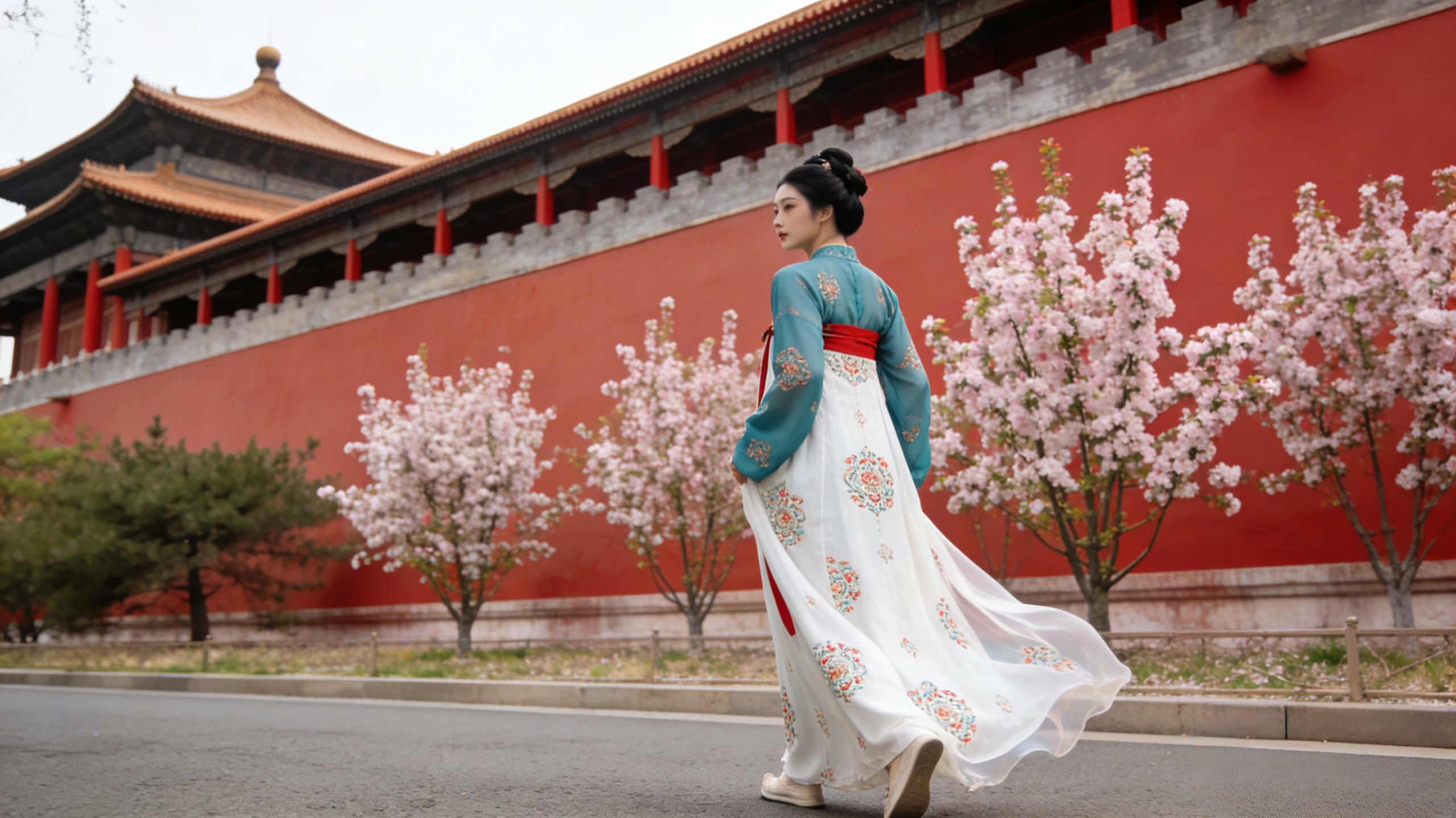
To grasp its significance, think of the toga in ancient Rome or the kimono in Japan. Like these, Hanfu was a profound marker of cultural identity. Its fundamental structure is based on a cross-collar, wrapping to the right, with wide sleeves and a sash, prioritizing graceful, flowing movement over tight fit.
Philosophy in Threads: Symbolism and Harmony
The beauty of Hanfu is governed by deep-seated principles. The crossed collar and right-side closure follow ancient rituals and decorum. Its wide sleeves and flowing robes symbolize generosity and a harmonious connection with nature, reflecting core Daoist and Confucian values.
Dynastic Evolution: A Timeline in Textiles
Styles evolved dramatically through China’s dynasties, much like changing artistic eras. Tang Dynasty Hanfu was luxurious and cosmopolitan, while Song Dynasty styles favored refined, scholarly elegance. Each period’s design tells a story of its societal values and technological advancements.

Modern Revival: The Phoenix Rising
Today, Hanfu is experiencing a major cultural revival, led by China’s youth. Worn at festivals, in parks, and for daily life, it’s a vibrant, living expression of cultural pride and a creative dialogue with the past, not a static historical reenactment.

Traveler’s Guide: Wearing the Legacy
For travelers, engaging with Hanfu offers a unique connection. You can rent a set for photos in iconic settings like the Forbidden City. Attend traditional festivals to see it worn in celebration, or visit museums like the China National Silk Museum in Hangzhou to understand its rich evolution.

Conclusion: Poetry in Motion
Ultimately, Hanfu tells a story of cultural continuity. It is poetry in motion, a living canvas of Chinese civilization. It shows how deep respect for heritage dynamically shapes modern identity and creative expression.
Have you ever worn a traditional garment from your own heritage? What stories does your cultural attire tell? Share your experiences below!
Copyright Disclaimer for Images
Some images displayed on this website are sourced from the internet and are used for informational and reference purposes only.
We respect the intellectual property rights of all creators. The use of these images is not intended to infringe upon any owner’s copyright.
If you are the copyright holder of any image used on this site and believe it is being used without appropriate permission, please contact us. Upon verification of your ownership claim, we will promptly take the necessary action, which may include removing the image or providing proper attribution as per your request.
Please reach out to us at: [email protected]”