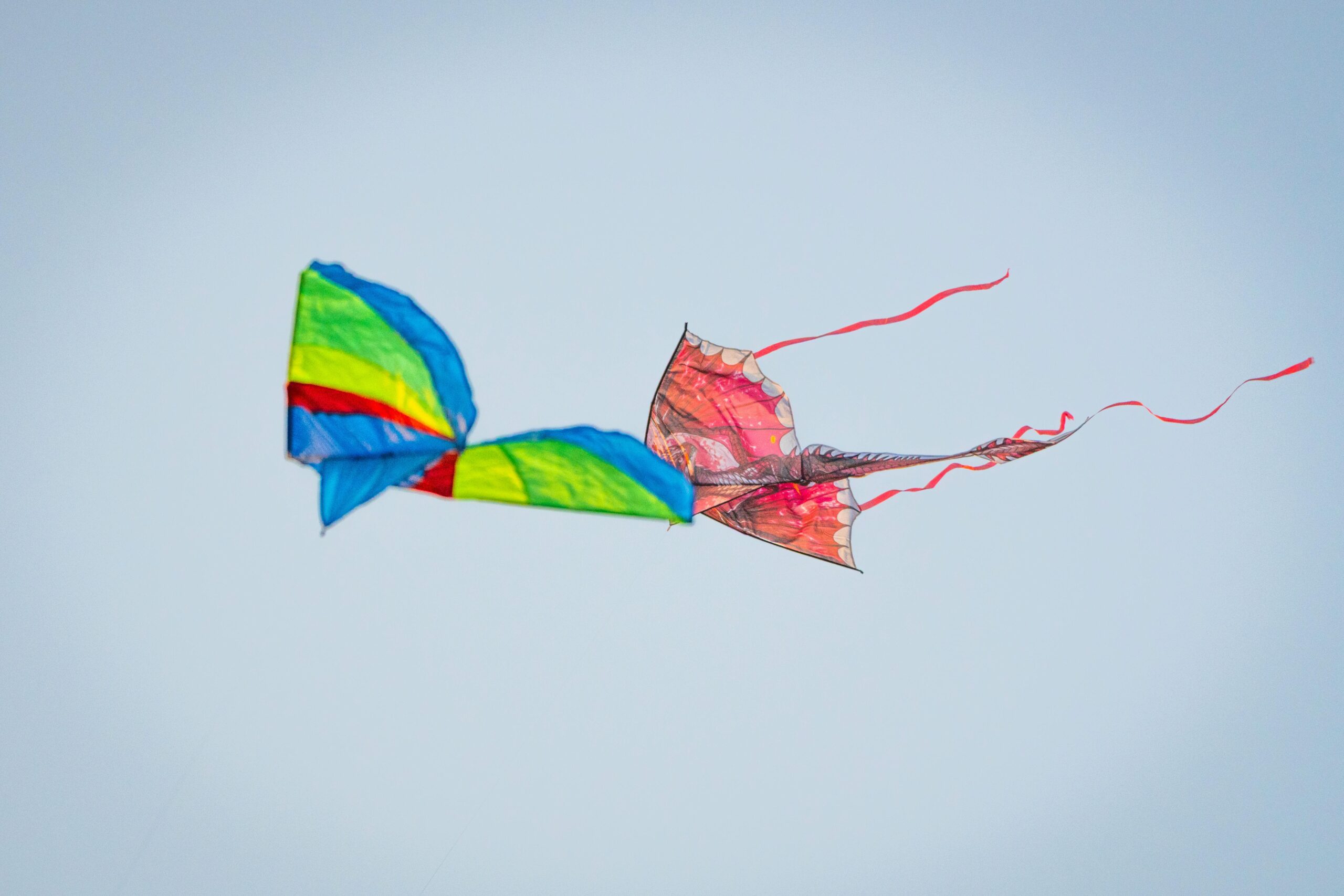
In Weifang, Shandong, the sky is more than a backdrop—it’s a living canvas. Here, hand-painted kites carry a thousand years of Chinese painting art into the clouds, turning each flight into a poetic conversation with the wind. Painting your own kite means preserving a piece of cultural memory that soars.

Weifang is located in central Shandong Province, within the Yellow River Delta Eco-Efficient Economic Zone. It enjoys a temperate monsoon climate with four distinct seasons. Recognized by UNESCO as the “World Kite Capital,” Weifang is highly accessible—around 1.5 hours by car from Qingdao International Airport and connected by high-speed rail from Beijing and Shanghai. The city is home to dedicated kite museums and numerous heritage workshops.
A Gallery in the Sky: The Dancing Philosophy of Color
What makes Weifang kites unique is how they translate traditional Chinese painting techniques onto silk and paper. Artisans use the fine brushwork of gongbiand the freehand elegance of xieyito depict birds, flowers, figures, and mythological scenes. When the kite ascends, these designs flow with light and shadow, creating visual rhythms—from afar like moving ink paintings, up close revealing every delicate stroke.

A 2,000-Year-Old Epic of Flight
Kite-making in Weifang traces back to the Spring and Autumn period, linked to the legend of Lu Ban crafting a wooden “kite” for reconnaissance. By the Ming Dynasty, Weifang had developed a complete intangible heritage system encompassing framing, painting, pasting, and flying. Each spring during the Qingming Festival, the Weifang International Kite Festival becomes a global pilgrimage for kite culture, preserving the world’s oldest kite lineages and craftsmanship.

Awaken the Soul of a Paper Kite with Your Own Hands
Artisan Workshop Experience: In heritage workshops in Yangjiabu or Hanting District, learn from inheritors of intangible cultural heritage to create classic shapes like the “Swallow” or “Centipede.” From shaping bamboo frames to mixing paste and applying paper, then painting your design—within three hours, you’ll complete your first hand-painted kite.
Field Flying Rituals: On the open grounds of Bailang River Wetland Park, locals attach whistles to kite tails that play traditional tunes in the wind. Join local families during spring flying events and you might hear the ancient blessing: “The kite heralds spring.”
Kite-Themed Festivals: During April’s International Kite Festival, take part in night kite light shows, creative kite markets, and even stunt kite workshops.

Plan a 1–2 day immersive experience: visit the Weifang World Kite Museum in the morning (home to over 2,000 ancient and modern kite treasures), join a painting workshop in the afternoon, and test your kite at Fuyanshan International Kite Flying Field in the evening. The best seasons are March–May and September–October, when weather conditions are ideal. Combine your visit with nearby cultural sites like Qingzhou Ancient City or Qilu Jiudi for a complete Shandong cultural journey.
Weifang hand-painted kites carry more than the joy of flight—they express the Chinese philosophy of harmony between humanity and nature. When you hold the string, you’re connected to 2,000 years of creative wonder. Come, paint a flower that flies, and keep a piece of the sky as your own.
Copyright Disclaimer for Images
Some images displayed on this website are sourced from the internet and are used for informational and reference purposes only.
We respect the intellectual property rights of all creators. The use of these images is not intended to infringe upon any owner’s copyright.
If you are the copyright holder of any image used on this site and believe it is being used without appropriate permission, please contact us. Upon verification of your ownership claim, we will promptly take the necessary action, which may include removing the image or providing proper attribution as per your request.
Please reach out to us at: [email protected]”