This 7-day itinerary takes you on a curated exploration of three of China’s most culturally significant cities—Xi’an, Luoyang, and Beijing—where ancient dynasties, imperial grandeur, and living traditions converge.
Designed to balance iconic landmarks with immersive local experiences, this journey connects the Terracotta Army, the Longmen Grottoes, and the Forbidden City, offering a vivid window into China’s 5,000-year history while highlighting the flavors, festivals, and crafts that make these destinations unforgettable.
Main Content
Overview
- Where it is located: Xi’an (Shaanxi Province) and Luoyang (Henan Province) anchor the ancient heart of the Silk Road and Central Plains, while Beijing (Hebei Province) serves as the modern capital and final stop.
- Where it is located: Xi’an (Shaanxi Province) and Luoyang (Henan Province) anchor the ancient heart of the Silk Road and Central Plains, while Beijing (Hebei Province) serves as the modern capital and final stop.
- Natural & regional features: The route traverses fertile river valleys—including the Wei and Yellow Rivers—where civilizations flourished, framed by rolling loess plateaus and mist-shrouded mountain ranges.
- Accessibility: High-speed trains link the cities seamlessly: Xi’an to Luoyang (≈2 hours), Luoyang to Beijing (≈4.5 hours), ensuring efficient travel between historical hubs.
Key Highlights
Natural Landscape
- Xi’an: The city is framed by the Qinling Mountains, a natural divide between China’s north and south, with nearby Hua Shan offering dramatic granite peaks and ancient Taoist temples.
- Luoyang: Nestled on the banks of the Luo River, the city is famed for the annual peony bloom (April–May), when parks burst with vibrant blooms, and the misty Longmen Grottoes carve into limestone cliffs along the Yi River.
- Beijing: The capital blends urban parks like Beihai and Jingshan with the mist-shrouded Fragrant Hills, where autumn foliage paints the hillsides in red and gold.

Photo by zhang kaiyv on Unsplash
Cultural & Historical Value
- Xi’an: Once the capital of 13 dynasties, including the Han and Tang, Xi’an is home to the Terracotta Army—a 2,200-year-old funerary army guarding the tomb of Qin Shi Huang—and the ancient city walls, the best-preserved in China. The Muslim Quarter preserves centuries of Silk Road trade, with winding alleys and traditional courtyard homes.
- Luoyang: The “City of Peonies” was the capital of 9 dynasties, including the Eastern Han and Northern Wei. The Longmen Grottoes, a UNESCO site, feature 100,000 Buddhist statues carved into cliffs between the 5th and 10th centuries, while the White Horse Temple—China’s first Buddhist temple—marks the introduction of Buddhism to China.
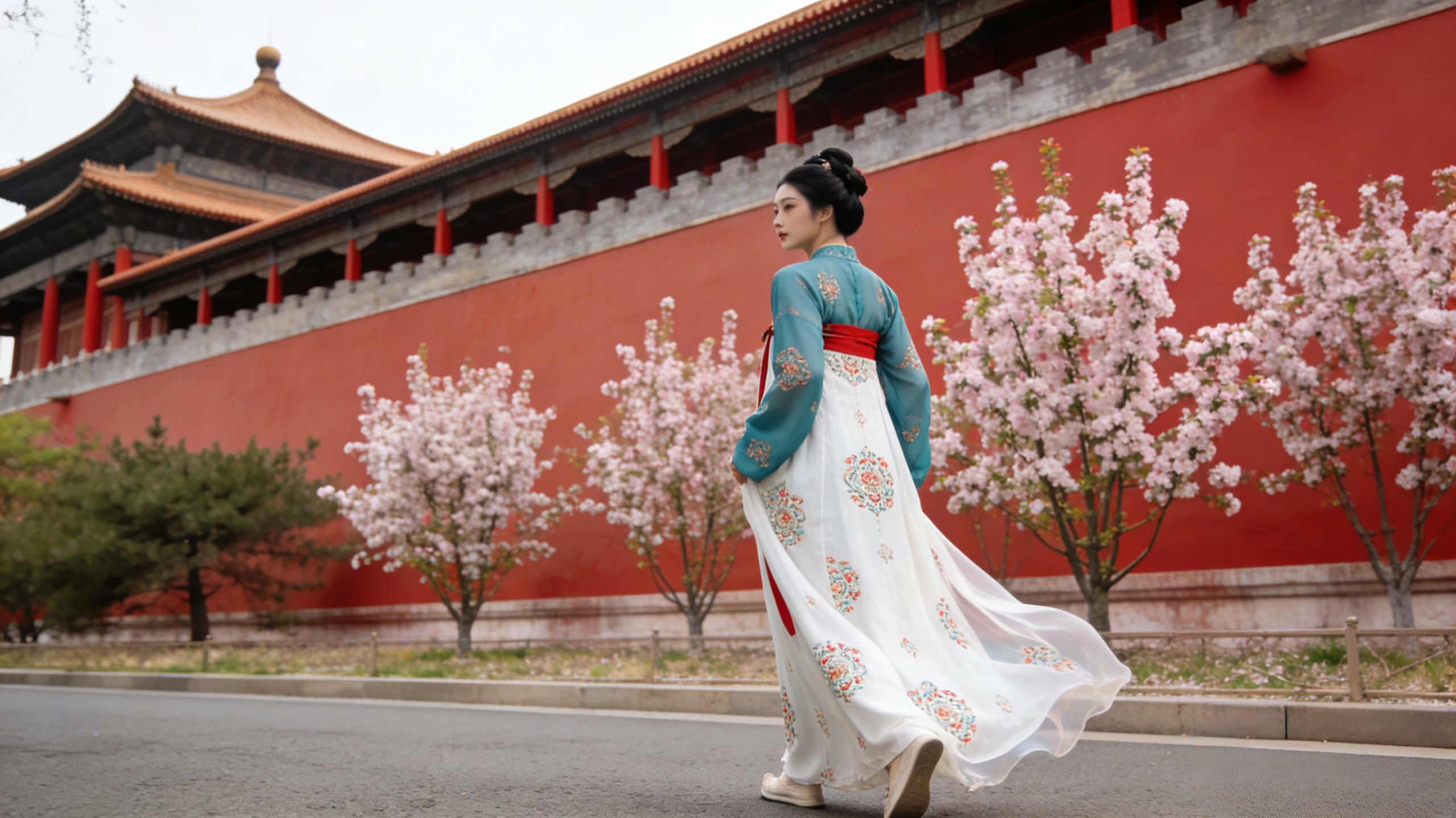
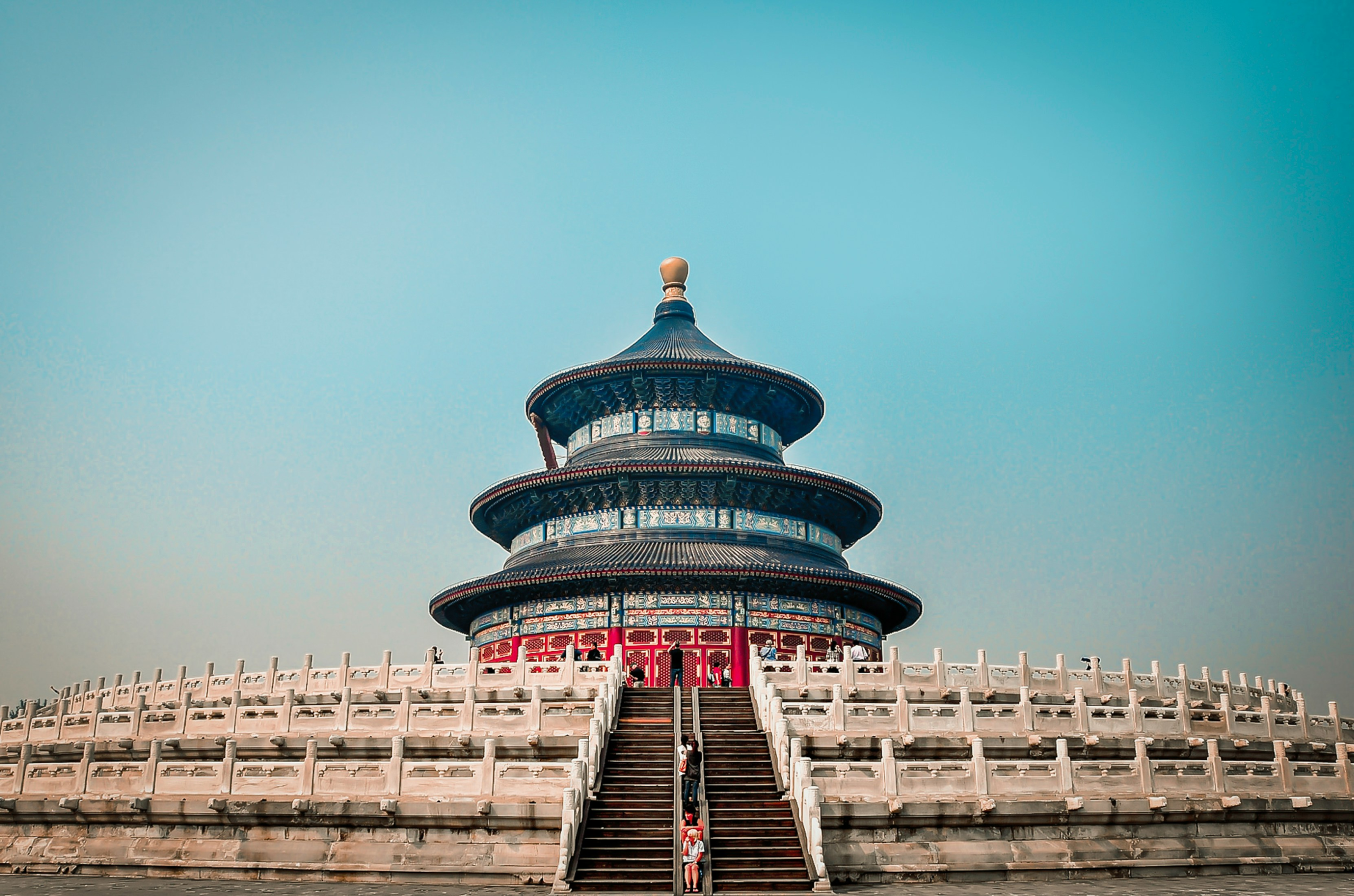
- Beijing: As the capital of the Ming and Qing dynasties, Beijing boasts the Forbidden City, a sprawling imperial palace with 980 buildings, and the Temple of Heaven, where emperors once prayed for harvests. The hutongs—narrow alleyways lined with courtyard homes—preserve the capital’s traditional way of life.

Photo by Harrison Qi on Unsplash
Local Experiences
Food
- Xi’an: Savor roujiamo (Chinese hamburgers), liangpi (cold wheat noodles), and yangrou paomo (lamb soup with crumbled flatbread) in the Muslim Quarter. Luoyang: Try shuizhu (water banquet), a multi-course feast of soups and stews, and mudan bing (peony cakes), sweet pastries infused with peony petals.
- Luoyang: Try shuizhu (water banquet), a multi-course feast of soups and stews, and mudan bing (peony cakes), sweet pastries infused with peony petals.
- Beijing: Indulge in Peking duck, jellied bean curd, and zhajiangmian (noodles with soybean paste) at historic restaurants like Quanjude.

Festivals
- Xi’an: The Tang Dynasty Cultural Festival (September) recreates imperial parades and performances.
- Luoyang: The Peony Festival (April) features flower shows and traditional music.
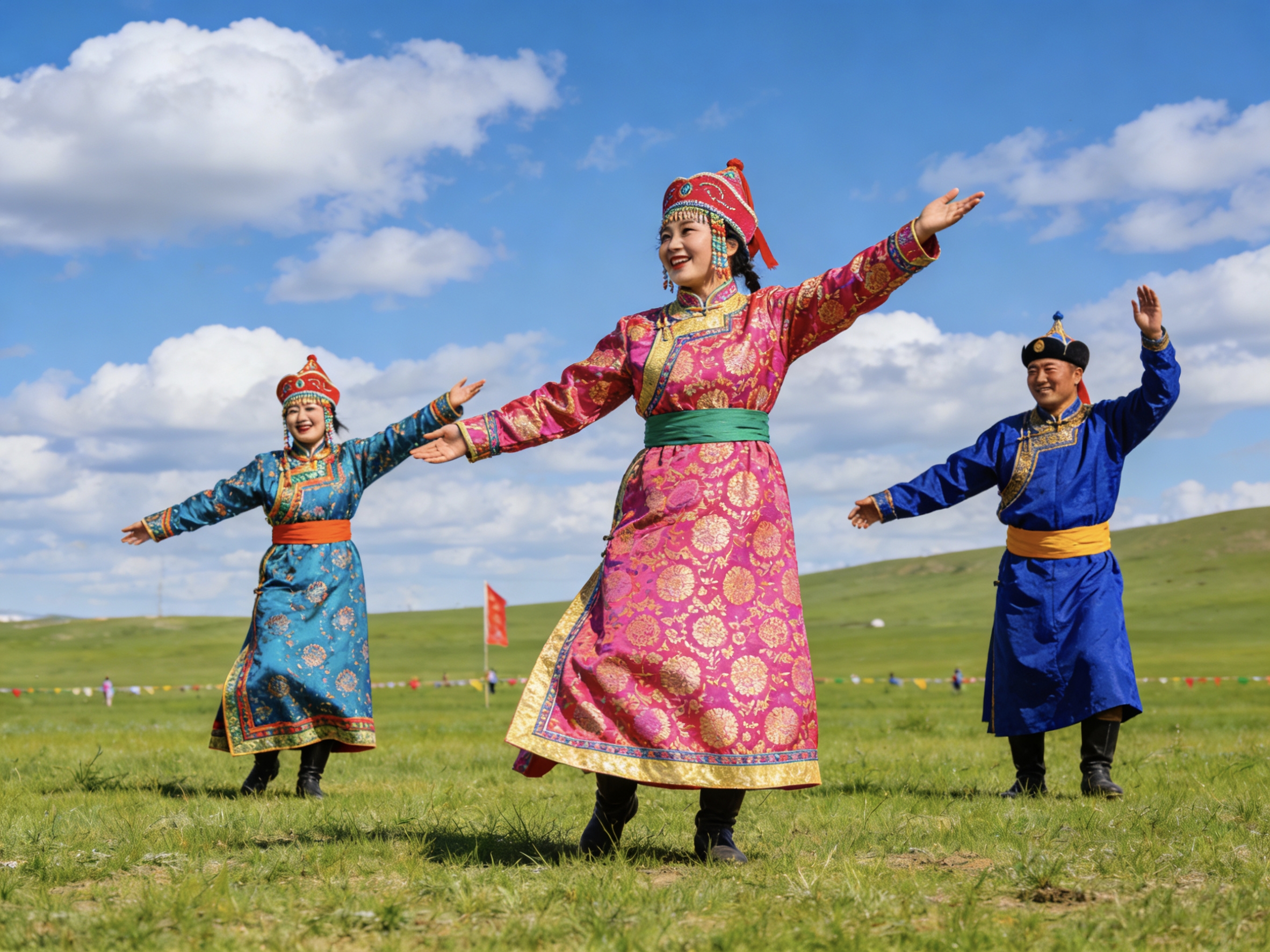
- Beijing: The Spring Festival (January/February) brings temple fairs, lion dances, and red lanterns to the streets.
Handicrafts
- Xi’an: Watch artisans create tang san cai (tri-color glazed pottery) and paper-cuts depicting Tang Dynasty figures.
- Luoyang: Learn about jun ci (jun porcelain), a type of ceramic famed for its iridescent glazes.
- Beijing: Visit cloisonné workshops to see craftsmen inlay colored enamel into metal frames.
Outdoor activities
- Xi’an: Cycle the 14km city wall at sunset for panoramic views of the old and new city.
- Luoyang: Hike the trails of Song Shan, home to the Shaolin Temple, famous for its kung fu monks.
- Beijing: Stroll the Summer Palace’s marble causeways and take a boat on Kunming Lake.
Suggested itinerary
Days 1–2: Xi’an (Terracotta Army, City Wall, Muslim Quarter)
Days 3–4: Luoyang (Longmen Grottoes, White Horse Temple, Peony Park)
Days 5–7: Beijing (Forbidden City, Great Wall at Mutianyu, hutong tours)
Conclusion
This 7-day journey through Xi’an, Luoyang, and Beijing is more than a tour of landmarks—it’s a deep dive into the soul of Chinese civilization, where emperors, monks, and artisans shaped a culture that continues to resonate today.
Whether you’re savoring a bowl of yangrou paomo in Xi’an, marveling at the Longmen Grottoes, or walking the halls of the Forbidden City, you’ll carry with you the stories of a nation built on tradition, resilience, and beauty.
Pack your curiosity and let China’s timeless heartlands welcome you!
Copyright Disclaimer for Images
Some images displayed on this website are sourced from the internet and are used for informational and reference purposes only.
We respect the intellectual property rights of all creators. The use of these images is not intended to infringe upon any owner’s copyright.
If you are the copyright holder of any image used on this site and believe it is being used without appropriate permission, please contact us. Upon verification of your ownership claim, we will promptly take the necessary action, which may include removing the image or providing proper attribution as per your request.
Please reach out to us at: [email protected]