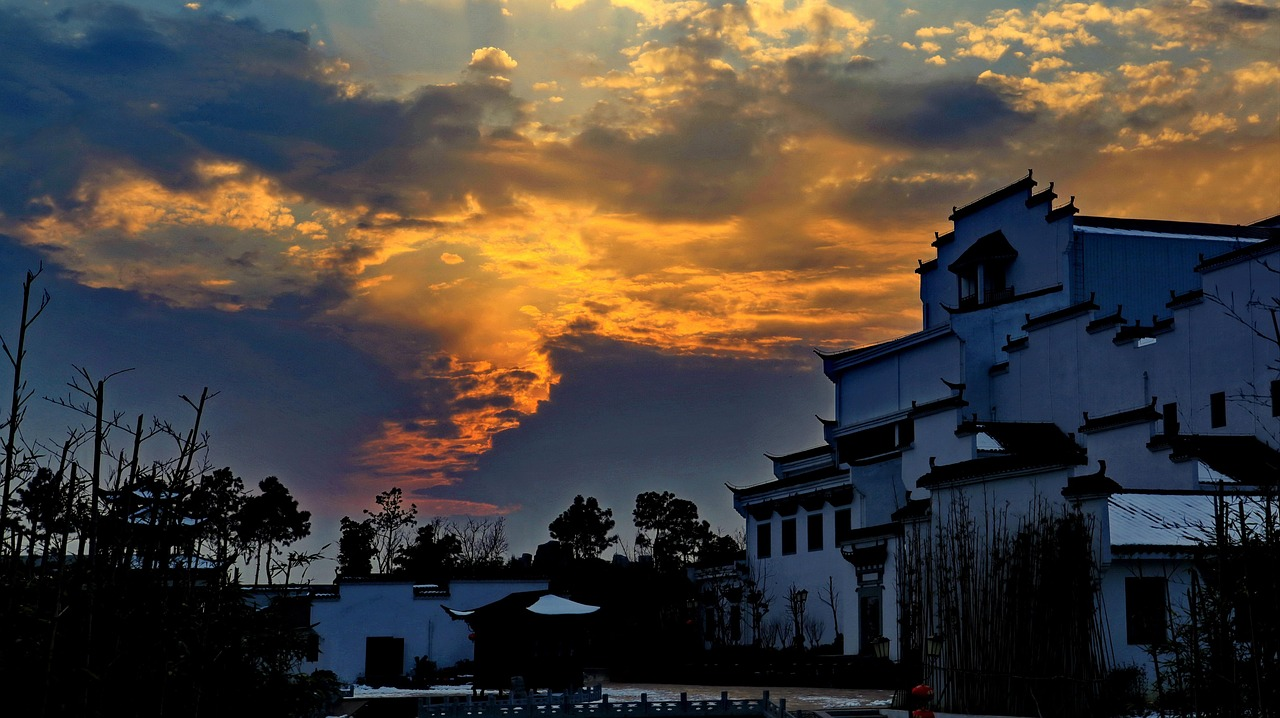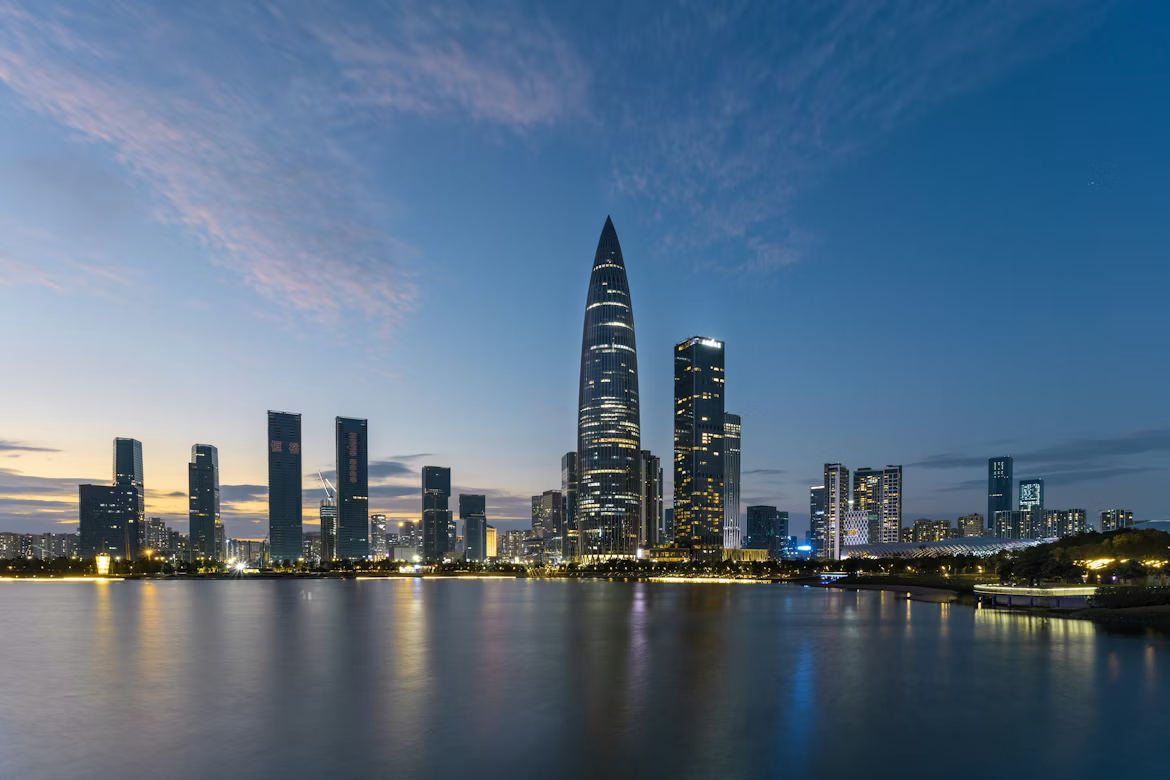

Don’t just label it as a “tech hub” — Shenzhen is a dynamic city where cutting-edge skyscrapers stand alongside tranquil coastal parks, futuristic AI experiences blend with traditional Lingnan culture, and international vibes meet authentic local flavors. This is a city that grows at an amazing speed, yet never loses its warmth: from the bustling streets of Huaqiangbei to the quiet beaches of Dameisha, from the innovative labs of tech giants to the ancient lanes of Hakka towns, every corner tells a story of “innovation with temperature”.
Picture this: you wander through Huaqiangbei, the “world’s electronics capital,” marvel at the futuristic skyline of Qianhai, ride the driverless bus along the coast, taste fresh oysters at a street stall, and experience the charm of Tang-style gardens hidden in the city. This is Shenzhen: young, inclusive, bold and warm, a city where the future and tradition coexist, and every visit brings new surprises.
Getting There & Getting Around
Arriving in Shenzhen
- By Air: Fly into Shenzhen Bao’an International Airport (SZX), a world-class airport with direct flights to major Chinese cities and global destinations in Asia, Europe, North America and Oceania. It boasts a foreigner one-stop service center, multi-language intelligent customer service terminals, and foreign currency exchange QR codes for easy access. Metro Line 11 connects the airport to the city center in about 40 minutes; airport shuttles and taxis are also available, with clear English signage. For international visitors, online entry information can be filled in advance via the National Immigration Administration’s official website, WeChat/Alipay mini-program, or “Immigration Bureau 12367” APP, and 7 types of personnel are exempt from filling in entry information.
- By High-Speed Train: The most convenient way to reach Shenzhen, with an extensive high-speed rail network linking to nearby cities and regions. Shenzhen has four major high-speed rail stations: Shenzhen North Station (main station for long-distance high-speed trains), Shenzhen Station (downtown, close to Luohu Port), Shenzhen East Station (for regional trains), and Shenzhen West Station (for ordinary trains). Tickets can be booked on Ctrip/Trip.com or station self-service kiosks with English interfaces. All metro stations support 6 major international bank cards (VISA, Master Card, etc.) and digital RMB hard wallet payment for tickets, making it convenient for foreign visitors.
- From Guangzhou: ~30 minutes (Shenzhen North to Guangzhou South)
- From Hong Kong: ~14 minutes (West Kowloon to Shenzhen North)
- From Shanghai: ~4.5 hours
- From Beijing: ~8 hours
Getting Around the City
- Metro & Bus: Metro Lines 1–20 cover all core attractions (Window of the World, Happy Valley, Shenzhen Bay Park, Dameisha Beach). All main roads and highways have upgraded Chinese-English bilingual signs, and the “Red Fatty” sightseeing bus offers 8-language interpreters with three permanent routes: Blue Coastline, Urban Center Line and Charm Bay Line, allowing you to explore the “mountain-sea connected city” mode. WeChat Pay/Alipay transit cards are widely accepted, and the “iShenzhen” mini-program has a foreigner service area with 9 languages and over 200 high-frequency services.
- Ride-Hailing & Taxis: Didi Chuxing has an English version, ideal for short trips and late-night outings. Shenzhen Bus Group’s “Little Yellow Hat” taxis are equipped with MossTalk AI intelligent translation devices, supporting real-time mutual translation of more than 140 languages for barrier-free communication. Taxis are readily available and use meters; make sure the driver turns on the meter before departure.
- Driverless & Shared Transport: Shenzhen’s driverless buses operate between Luohu Port and Mixc Foodie, with Mandarin, English and Cantonese announcements, introducing沿途 humanistic history and offering a “future travel experience”. Shared bikes and electric bikes are available all over the city, perfect for exploring coastal parks and ancient towns.
- Day Trips: For Hong Kong (15 minutes by high-speed train), Dongguan, Huizhou, or Wutong Mountain, take a direct high-speed train, coach, or book a small-group tour. Wutong Mountain, Shenzhen’s highest peak (943.7 meters), is a popular day trip for hiking, with multiple trails to choose from.
Can’t-Miss Experiences & Attractions
- Window of the World A world-famous theme park that gathers miniature replicas of global landmarks, including the Eiffel Tower, Pyramids, and the Great Wall. It’s a perfect place to “travel around the world in one day” and enjoy wonderful performances from different countries. The night show and fireworks display are not to be missed, making it one of the most popular attractions for international tourists during the Spring Festival. Pro Tip: Visit on weekdays to avoid crowds; book tickets online in advance. The park has intelligent ticketing terminals supporting more than 23 languages, ensuring a smooth experience for foreign visitors.
- Shenzhen Bay Park A beautiful coastal park stretching along the Shenzhen Bay coastline, with lush greenery, coastal plank roads, and stunning views of Hong Kong across the sea. It’s ideal for walking, cycling, bird-watching, or simply enjoying the sea breeze. You can also see the iconic Shenzhen Bay Bridge connecting Shenzhen and Hong Kong. Pro Tip: Visit at sunset for the most beautiful views; the park is free and open 24 hours a day. It’s a great place to experience the city’s ecological beauty and leisure atmosphere.
- Huaqiangbei Commercial Street Known as the “world’s electronics capital,” this street is a paradise for tech lovers. You can find all kinds of electronic products, accessories, and innovative gadgets here. Even if you’re not a tech fan, the vibrant atmosphere, street food, and trendy shops are worth exploring. The “Huaqiangbei AI Eight Horses” list, launched during the Spring Festival, features eight popular categories such as drones and robots, with special discounts. Pro Tip: Bargain when shopping at small stalls; be careful when buying high-value electronic products to avoid counterfeits. Don’t miss the street food stalls selling local snacks and international delicacies.
- Twenty-Four Histories Academy A hidden Tang-style academy covering 30,000 square meters, with classical buildings, corridors, and lantern-lined paths, making you feel like traveling back to the Tang Dynasty. You can experience movable type printing, ancient papermaking, visit a library with 30,000 ancient books, and enjoy holographic projections at night. Pro Tip: Rent Hanfu (Tang-style costumes) on-site (¥50 per hour) for photos; the night scene with lanterns is particularly charming, and night tickets offer half-price discounts.
- Dameisha & Xiaomeisha Beaches The most popular coastal resorts in Shenzhen, with soft sand, clear sea water, and a variety of water activities (swimming, surfing, windsurfing). Xiaomeisha is more quiet and suitable for relaxation, while Dameisha is more lively with complete facilities. Both are part of Shenzhen’s coastal tourism network, with nearby tourist service centers offering multi-language services. Pro Tip: Visit in autumn (September–November) to avoid the summer crowds; bring sunscreen and a swimsuit. The nearby Xiaowan Mangrove Park is also worth a visit for its coastal ecology.
- Happy Valley Shenzhen A large-scale amusement park with thrilling rides (roller coasters, drop towers), family-friendly attractions, and wonderful performances. It’s perfect for travelers of all ages, with a vibrant atmosphere that showcases Shenzhen’s youthful energy. Pro Tip: Arrive early to avoid long lines for popular rides; check the performance schedule in advance to not miss the highlights.
Local Flavors You Can’t Miss
- Sha Jing Oysters: Shenzhen’s iconic seafood, known as “marine milk” for its tender flesh and rich nutrition. It can be steamed, grilled with garlic, or made into oyster cakes — each method has a unique flavor.
- Gongming Roast Goose: A traditional Lingnan dish with golden skin, crispy texture, and tender meat. Served with special plum sauce, it’s a favorite among locals and tourists alike.
- Xixiang Chinese Shrimp: Fresh and sweet shrimp, best enjoyed boiled to preserve its original flavor. Dipped in soy sauce and wasabi, it’s a delicious seafood treat.
- Nanao Sea Urchin Fried Rice: Fresh sea urchin mixed with rice, with the umami flavor fully integrated into the rice, fragrant and memorable.
- Hakka Stuffed Tofu: A classic Hakka dish, with tender tofu stuffed with pork and shrimp, steamed or fried to perfection. It’s a must-try to experience local Hakka culture.
- Unmanned Noodle Shop Dishes: A unique Shenzhen experience — scan the code to order, and the robotic arm cooks the noodles in 48 seconds, with a fully visual and contactless process. It’s a quick and convenient way to taste local flavors during your trip.
Travel Tips
- Best Time to Visit: October–April next year — the weather is cool and sunny, perfect for outdoor activities and beach trips. Shenzhen has a subtropical marine climate, with warm winters and hot, rainy summers (June–August). The Spring Festival is also a great time to experience the “tech Spring Festival” atmosphere, with various activities and discounts.
- Cuisine Note: Shenzhen’s cuisine is a mix of Lingnan flavors, Hakka dishes, and international cuisines, with a focus on fresh ingredients. It’s not spicy, and seafood is a highlight. Don’t miss the street food in Dongmen Old Street and Huaqiangbei, where you can taste snacks from all over China.
- Payment & Shopping: WeChat Pay and Alipay are accepted almost everywhere; foreign visitors can ask hotel staff to help link overseas bank cards. Shenzhen has more than 1,800 tax-free stores for departure, with 12 centralized refund points and nearly 200 stores offering “buy now, refund now” service, supporting multi-language guidance. The upcoming “AI City Travel Card” will integrate public transport, scenic spot tickets, and discounts, supporting multi-language AI navigation and foreign card binding.
- Etiquette: Be quiet in public places and respect local customs. When visiting temples (such as Dahua Xing Temple), wear modest clothing. Ask permission before taking photos of locals, especially in ancient towns and cultural spots. Shenzhen is an eco-friendly city — don’t litter in coastal areas and parks.
- Language & Service: Mandarin is the main language, and English is widely used in hotels, attractions, and business districts. Shenzhen has built a network of tourist service centers at airports, ports, scenic spots, and business districts, offering multi-language consultation, ticket booking, and translation services. Bilingual Shenzhen travel guides are available at airports, ports, and hotels.
- Emergency Contacts: Police: 110, Ambulance: 120, Fire: 119. Ask the hotel front desk to write down your hotel’s address in Chinese to show to taxi drivers or use in emergencies. The “Immigration Bureau 12367” hotline provides multi-language consultation services.
Ready to explore Shenzhen’s tech innovation, coastal charm, and urban vitality? Save this guide, bring a curious mind and an empty stomach, and let this young, inclusive city surprise you with its unique blend of future and tradition.
Follow us for more insider guides to China’s underrated cities — no tourist traps, just authentic local experiences.
Image sourced from the internet
Copyright Disclaimer for Images
Some images displayed on this website are sourced from the internet and are used for informational and reference purposes only.
We respect the intellectual property rights of all creators. The use of these images is not intended to infringe upon any owner’s copyright.
If you are the copyright holder of any image used on this site and believe it is being used without appropriate permission, please contact us. Upon verification of your ownership claim, we will promptly take the necessary action, which may include removing the image or providing proper attribution as per your request.
Please reach out to us at: [email protected]