
Nestled between the imposing Cangshan Mountains and the crystal-clear Erhai Lake in western Yunnan, Dali is an ancient city with over 1,200 years of history, once the capital of the Nanzhao and Dali Kingdoms. It’s a place where the legendary “Wind (of Xiaguan), Flowers (of Shangguan), Snow (on Cangshan), Moon (over Erhai)” comes to life, where Bai ethnic traditions thrive alongside laid-back bohemian vibes, and where every street corner, ancient temple and lakeside path invites you to slow down and savor the moment. Here, you can cycle along the Erhai Lake ecological corridor at sunrise, hike the misty trails of Cangshan, learn the age-old art of Bai tie-dye in Zhoucheng Village, sip the three courses of tea (bitter, sweet, aftertaste) with local families, and watch the golden sunset paint the lake and mountains in warm hues. This is Dali: romantic, peaceful, culturally rich and visually stunning, a destination that feels like a home away from home.
Imagine this: You wake up to the sound of birds in a traditional Bai courtyard, stroll through the ancient streets of Dali Old Town, admire the sacred Three Pagodas of Chongsheng Temple against the blue sky, glide along the 130-kilometer Erhai Lake shoreline, taste crispy Xizhou Baba and creamy roasted milk fan with rose sauce, and end the day with a cup of Pu’er tea while watching the moon rise over Erhai. This is Dali, where nature and culture blend seamlessly, and where the pace of life matches the rhythm of the mountains and lakes.
Getting There & Getting Around
Arriving in Dali
- By Air: Fly into Dali Fengyi Airport (DLU), about 30 km from Dali Old Town. There are direct flights to major domestic cities (Beijing, Shanghai, Guangzhou, Chengdu, Kunming) and selected international routes. Airport shuttles (25 RMB/person) and metered taxis/ride-hailing services are available. The airport offers multilingual information desks, foreign currency exchange and free Wi-Fi.
- By High-Speed Train: The most convenient way to reach Dali from within Yunnan and beyond. Dali Railway Station connects to Kunming (about 2 hours), Lijiang (about 1.5 hours), and other Yunnan cities. From the station, take bus No.8 (2 RMB) or a taxi (around 25 RMB) to Dali Old Town. Tickets can be booked via Ctrip/Trip.com or self-service kiosks with English interfaces.
Getting Around Dali
- Erhai Lake Cycling & Electric Scooters: The iconic way to explore Erhai. The ecological corridor (no motor vehicles) is perfect for bicycle riding (20-40 RMB/day) or electric scooters (40-60 RMB/day, check battery life!). Bike rentals are available at Longkan Wharf, Panxi S-Bend, Caicun Wharf and other spots.
- Car Rental & Private Car Charter: For a flexible Erhai loop (about 130 km), rent a car (98 RMB/day+) from a licensed platform, or charter a private car (200-300 RMB/day) with a local driver who can act as a guide.
- Public Transport: Buses connect Dali Old Town, Xizhou, Shuanglang and other key areas (2-10 RMB). The Erhai Loop Double-Decker Bus is a tourist-friendly option with English commentary and stops at major scenic spots.
Can’t-Miss Experiences & Attractions

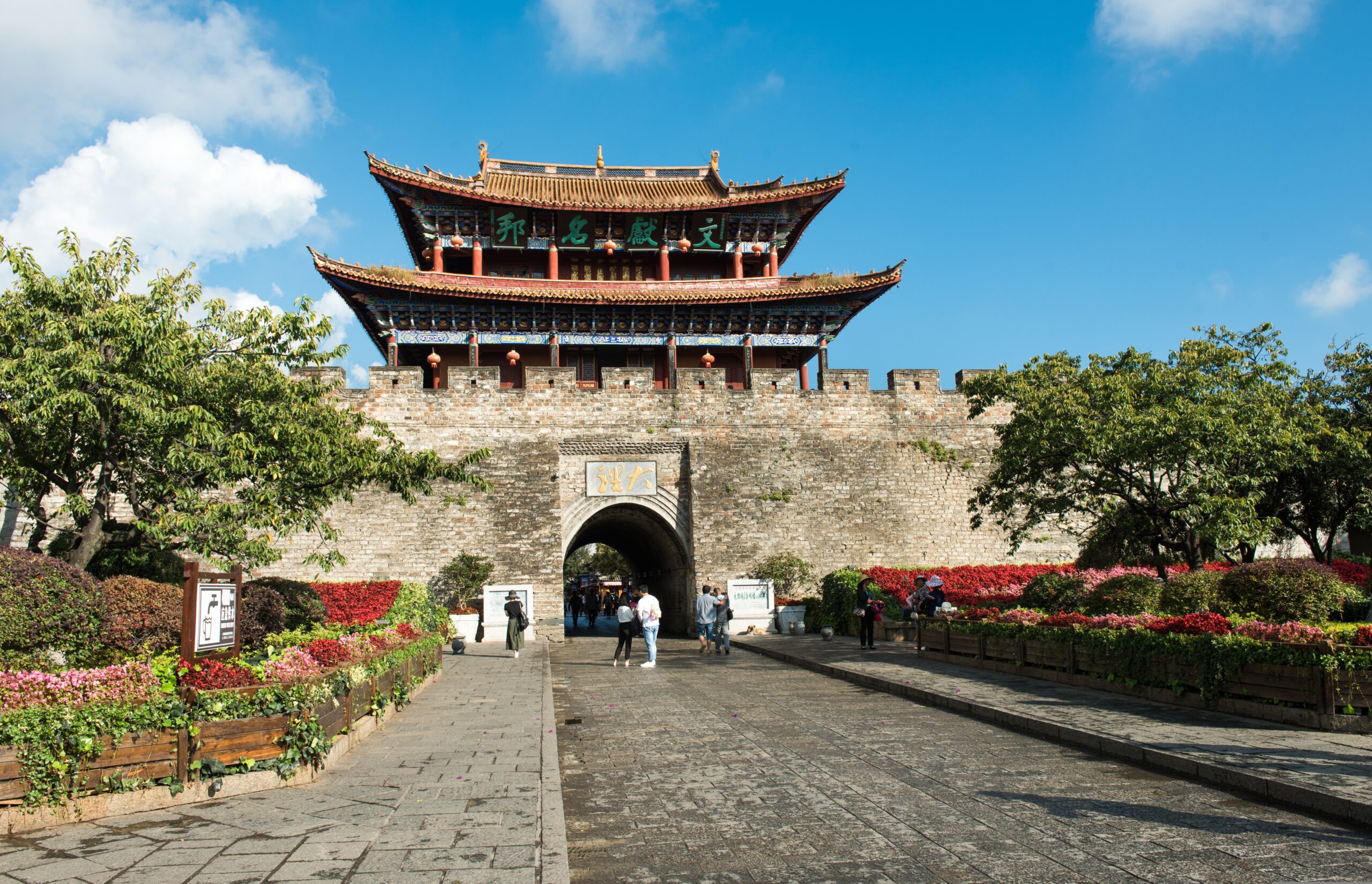
- Dali Old Town & Wuhua Tower The historic heart of Dali, with ancient city walls, stone-paved streets, Bai-style courtyard houses, and a mix of local shops and cafes. Climb Wuhua Tower for a panoramic view of the old town and Cangshan Mountains. Visit in the early morning to avoid crowds, and explore the cultural and artistic Shanchuang Factory Art Zone. Pro Tip: Walk along Honglongjing Ancient Street in the evening for local snacks and folk performances; free entry to the old town, small fee for Wuhua Tower.
- Three Pagodas of Chongsheng Temple A symbol of Dali’s Buddhist heritage and a UNESCO World Heritage Site candidate, the three ancient pagodas stand tall against Cangshan and Erhai. The temple was once the royal temple of the Dali Kingdom, with grand halls and ancient Buddha statues. Pro Tip: Visit at sunrise or sunset for the best photo opportunities; the Three Pagodas Reflection Park is a classic spot for capturing the pagodas’ reflection in the water.
- Erhai Lake (Longkan Wharf, Panxi S-Bend, Xizhou, Shuanglang) Dali’s soul, a vast freshwater lake surrounded by mountains. Longkan Wharf is famous for its stunning sunrises and winter seagulls; Panxi S-Bend is a viral photo spot with curved roads and lake views; Xizhou Ancient Town features traditional Bai architecture and golden rice fields (autumn); Shuanglang Ancient Town is a bohemian coastal town with sea-view cafes and Yang Liping’s Sun Palace. Pro Tip: Cycle the west coast ecological corridor (prefer early morning or late afternoon); take a boat tour to Xiaoputuo Island to watch seagulls in winter.
- Cangshan Mountain A majestic mountain range with 19 peaks, covered in forests, waterfalls and alpine meadows. Take the Ximatan Cable Car to reach high-altitude alpine lakes and rhododendron blooms (May-June); the Gentong Cable Car leads to Qingbi Stream and Jinsong Chessboard. Visit Jizhao Nunnery, known as China’s “most beautiful nunnery”, famous for its succulent gardens and delicious vegetarian meals. Pro Tip: Prepare warm clothes and sunscreen (high altitude, strong UV rays); check the cable car operating status in advance (closed in bad weather); avoid strenuous hiking if you have altitude sickness concerns.
- Zhoucheng Village (Bai Tie-Dye Experience) The birthplace of Bai tie-dye, a national intangible cultural heritage. You can learn to make your own tie-dye works (scarves, clothes, tablecloths) under the guidance of local masters, experiencing the ancient art of folding, binding, dyeing and rinsing with indigo. Pro Tip: Book a tie-dye workshop in advance; take home your handmade tie-dye as a unique souvenir.
- Fengyangyi Ancient Village A well-preserved post station on the Ancient Tea Horse Road, with bluestone roads, earth-walled houses and ancient wells. It became famous as the filming location of the hit drama *Meet Yourself*. Experience traditional tea culture, visit local workshops and feel the slow pace of rural life. Pro Tip: Visit in the morning to avoid tour groups; try the local tea and snacks in the village’s old teahouses.
Local Flavors You Can’t Miss
- Roasted Milk Fan (Kao Rushan): A signature Bai snack, made from goat’s milk, roasted and coated with rose sauce or condensed milk, creamy and fragrant, a must-try street food.
- Xizhou Baba: A crispy flatbread from Xizhou, available in savory (pork, scallion) and sweet (red bean paste) flavors, perfect for breakfast or a snack.
- Dali Sour and Spicy Fish: Fresh Erhai fish cooked with sour papaya and chili, with a tangy and spicy broth, served with rice, a classic Bai dish.
- Bai Three-Course Tea: A traditional Bai hospitality ritual – the first course is bitter tea, the second is sweet tea with walnuts and honey, and the third is aftertaste tea with cinnamon and sesame, representing life’s three stages.
- Wild Mushroom Hot Pot: A summer specialty, with fresh local mushrooms (chicken fir, matsutake, etc.) cooked in a clear broth, rich in umami, healthy and delicious.
- Grilled Erkuai: A staple breakfast, grilled rice cakes with various toppings (spicy sauce, peanuts, pickles), chewy and flavorful.
Travel Tips (Critical for Plateau Travelers)
- Best Time to Visit: March-May (Spring) – blooming flowers and mild weather; September-November (Autumn) – clear skies, golden rice fields and comfortable temperatures; December-February (Winter) – sunny days, fewer crowds and seagulls at Erhai; June-August (Summer) – cool summer, ideal for escaping the heat (note: rainy season).
- Plateau Protection & Dressing Guide: Strong UV rays – bring high-SPF sunscreen, sunglasses and a sun hat; dry air – drink plenty of water and use moisturizing products. Layer up: inner layer (moisture-wicking), middle layer (fleece), outer layer (windproof jacket). Avoid cotton underwear (retains moisture). Altitude sickness prevention: avoid strenuous exercise on the first day, drink plenty of water, and take altitude sickness medication if needed.
- Respect Local Culture & Customs: Bai people are warm and hospitable; remove shoes when entering Bai courtyard houses; do not take photos without permission in temples and private residences. The Three-Course Tea ceremony has traditional etiquette – drink in order and do not waste.
- Payment & Shopping: Alipay/WeChat Pay are widely accepted; hotels can help foreign visitors link overseas bank cards. Popular souvenirs: Bai tie-dye works, Pu’er tea, Xizhou Baba, roasted milk fan. Buy from licensed shops to avoid fakes.
- Health & Safety: Do not swim in Erhai Lake (water temperature is low and currents are unpredictable). Check the weather forecast before hiking Cangshan. Carry a copy of your passport and emergency contacts.
- Emergency Contacts: Police (110), Ambulance (120), Fire (119). The 12367 multilingual immigration hotline is available 24/7.
Ready to escape the hustle and bustle and immerse yourself in Dali’s wind, flowers, snow and moon? Save this guide, pack light but layer up, and let this Yunnan gem enchant you with its natural beauty, profound culture and laid-back way of life.
Follow us for more authentic, tourist-trap-free travel guides to China’s most fascinating destinations.
Image sourced from the internet
Copyright Disclaimer for Images
Some images displayed on this website are sourced from the internet and are used for informational and reference purposes only.
We respect the intellectual property rights of all creators. The use of these images is not intended to infringe upon any owner’s copyright.
If you are the copyright holder of any image used on this site and believe it is being used without appropriate permission, please contact us. Upon verification of your ownership claim, we will promptly take the necessary action, which may include removing the image or providing proper attribution as per your request.
Please reach out to us at: [email protected]