
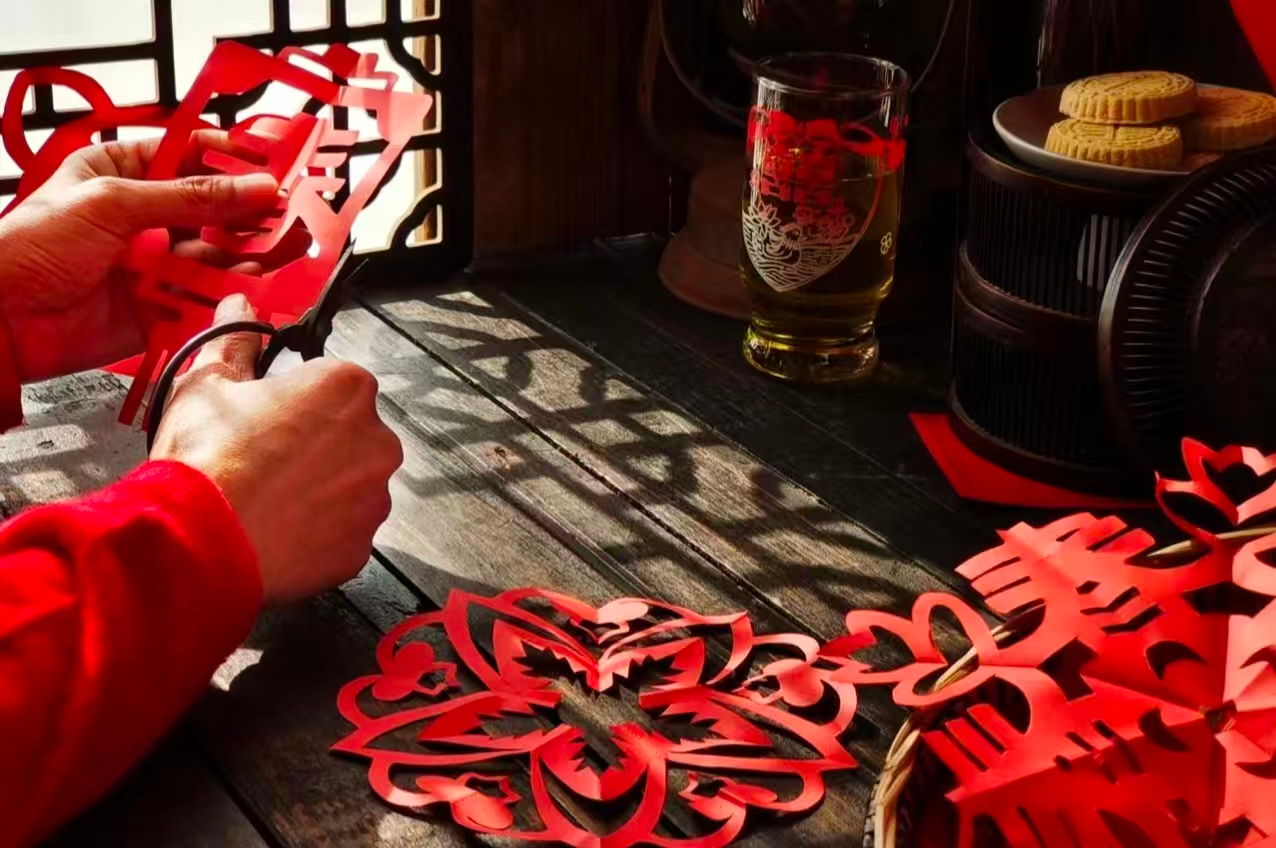
As a precious intangible cultural heritage of humanity, Chinese paper cutting is a simple yet charming folk craft popular across China. This easy-to-understand guide introduces its basic materials, complete making steps, typical regional styles, deep cultural connotations and practical experience ways. It carries people’s best wishes for happiness and peace, perfectly shows traditional Chinese folk customs and aesthetic wisdom. Ideal for foreign beginners to learn and understand this timeless traditional art.

Chinese paper cutting is one of the most famous and widely spread traditional folk arts in China. In 2009, it was officially listed on the UNESCO Representative List of the Intangible Cultural Heritage of Humanity. Unlike rigid ancient cultural relics kept in museums, paper cutting is a lively art that still exists in ordinary people’s daily lives.
With only simple paper and scissors, people can create various vivid patterns full of good wishes. It is not just a beautiful decoration, but also a special cultural carrier that records folk customs, expresses inner feelings and passes down traditional beliefs. For foreign friends who first get to know Chinese culture, paper cutting is the easiest way to feel sincere Chinese folk emotions and simple oriental beauty.
Basic Materials and Tools for Paper Cutting
The biggest advantage of Chinese paper cutting lies in its simple and easy-to-get materials, which makes it popular among ordinary families for hundreds of years.
In terms of paper materials, bright red paper is the most classic choice in traditional culture. Red stands for joy, warmth, good luck and vitality in China, so red paper cutting is most commonly used during festivals and weddings. Besides red paper, people also use colorful paper, golden paper and soft rice paper to make delicate works. Different paper textures can create different visual effects.
As for tools, there are two main kinds for making paper cutting. Common sharp scissors are used to cut simple and smooth patterns, suitable for beginners and daily home making. Professional carving knives are prepared for fine and complicated hollow-out designs, which are widely used by folk craftsmen to make exquisite finished products. People also prepare small nails, drawing pencils and simple fixing boards to keep paper stable during creation.

Easy Steps to Make Traditional Paper Cutting
Chinese paper cutting has fixed and clear production processes. Even people without any artistic foundation can finish a neat and beautiful work after simple learning.
- choose suitable paper and confirm the pattern theme. Beginners can start with simple shapes such as flowers, snowflakes and Chinese lucky characters. Second, fold the paper reasonably according to the design. Folding is the core skill of paper cutting. Folding paper symmetrically can save drawing time and make the finished work neat and balanced.
- draw simple outlines on the folded paper lightly. There is no need for complicated painting, just mark the general shape. Fourth, start cutting or carving slowly following the lines. The basic rule is to cut small inner parts first and then cut outer outlines, which can effectively prevent the whole pattern from breaking.
- unfold the folded paper gently and tidy up the rough edges. A complete traditional paper cutting work is finished. The whole process focuses on patience and carefulness rather than superb skills, which is why this craft can be passed down easily among people.

Representative Regional Styles of Paper Cutting
China has a vast territory, and paper cutting art in different regions forms totally different artistic styles due to local living habits and cultural atmosphere, which can be clearly distinguished at a glance.
- Northern Chinese paper cutting is mainly popular in Shaanxi, Shanxi and Hebei provinces. Its overall style is bold, unrestrained and simple. The lines are rough and powerful, and the shapes are exaggerated and lively. Most of its themes are closely connected with rural life, including farm work scenes, folk gods, lovely traditional doll images and daily livestock. It is full of strong local countryside atmosphere and simple life vitality.
- Southern Chinese paper cutting is represented by Yangzhou in Jiangsu, Yueqing in Zhejiang and Foshan in Guangdong. It pursues delicate, exquisite and elegant aesthetic feeling. Craftsmen are good at making dense hollow-out lines and soft detailed patterns. Common themes include rare flowers and plants, classic opera characters and delicate birds and butterflies. Southern paper cutting looks fine and gorgeous, just like elegant handmade lace.
Although northern and southern paper cutting have different styles, they all carry the same beautiful pursuit for happy life.


Rich Cultural Meanings behind Paper Cutting
Every classic pattern of Chinese paper cutting has fixed and warm implied meanings, which are the best wishes passed down by Chinese people from generation to generation.
In daily life, the most common patterns are Chinese lucky characters such as happiness, fortune, longevity and joy, which directly express people’s wishes for smooth life and healthy body. Various animal and plant patterns also contain profound blessings. Fish patterns stand for abundant wealth every year, peony flowers symbolize wealth and noble status, pomegranates represent happy family and more family members, while lotus flowers stand for purity and good temperament.
Moreover, paper cutting plays an important role in all traditional Chinese folk customs. During the Spring Festival, people paste red paper cutting window decorations at home to welcome good luck and pray for a smooth new year. On wedding days, double happiness paper cuttings are pasted everywhere to bless the new couple a happy marriage. People also make special paper cuttings for birthdays and traditional festivals to send sincere blessings to family members. It runs through every important moment in Chinese people’s lives.

Convenient Ways to Experience Paper Cutting Culture
Nowadays, Chinese paper cutting has broken geographical limits, and foreign cultural lovers can easily experience and learn this traditional art in various ways.
For beginners, you can start with simple symmetrical patterns such as red lucky characters and snowflakes to quickly feel the fun of handmade paper cutting. People can also buy finished paper cutting cultural and creative products such as bookmarks, greeting cards and home decorations to integrate traditional art into modern daily life.
If you want to learn professional skills, you can watch free online teaching videos taught by intangible cultural heritage inheritors to systematically learn folding methods and classic pattern making. For cultural travel lovers, you can visit famous paper-cutting villages and folk art museums in northern and southern China, communicate face to face with local craftsmen and experience the most authentic traditional production skills on the spot.Travelers also can visit Suzhou folk craft workshops during classic Jiangnan garden culture travel.

Chinese paper cutting is a simple, warm and down-to-earth traditional folk art. It does not need expensive raw materials or complicated professional knowledge, relying on a pair of hands and a heart full of hope to spread endless traditional culture and warm blessings.
From simple handmade works in ordinary families to world-famous intangible cultural heritage, paper cutting has always recorded the most sincere life pursuit of Chinese ordinary people. It carries good luck, gathers folk customs and beautifies daily life. Learning and understanding Chinese paper cutting is not only mastering a simple handmade skill, but also truly walking into ordinary Chinese folk culture and feeling the most sincere and warm oriental traditional charm.