
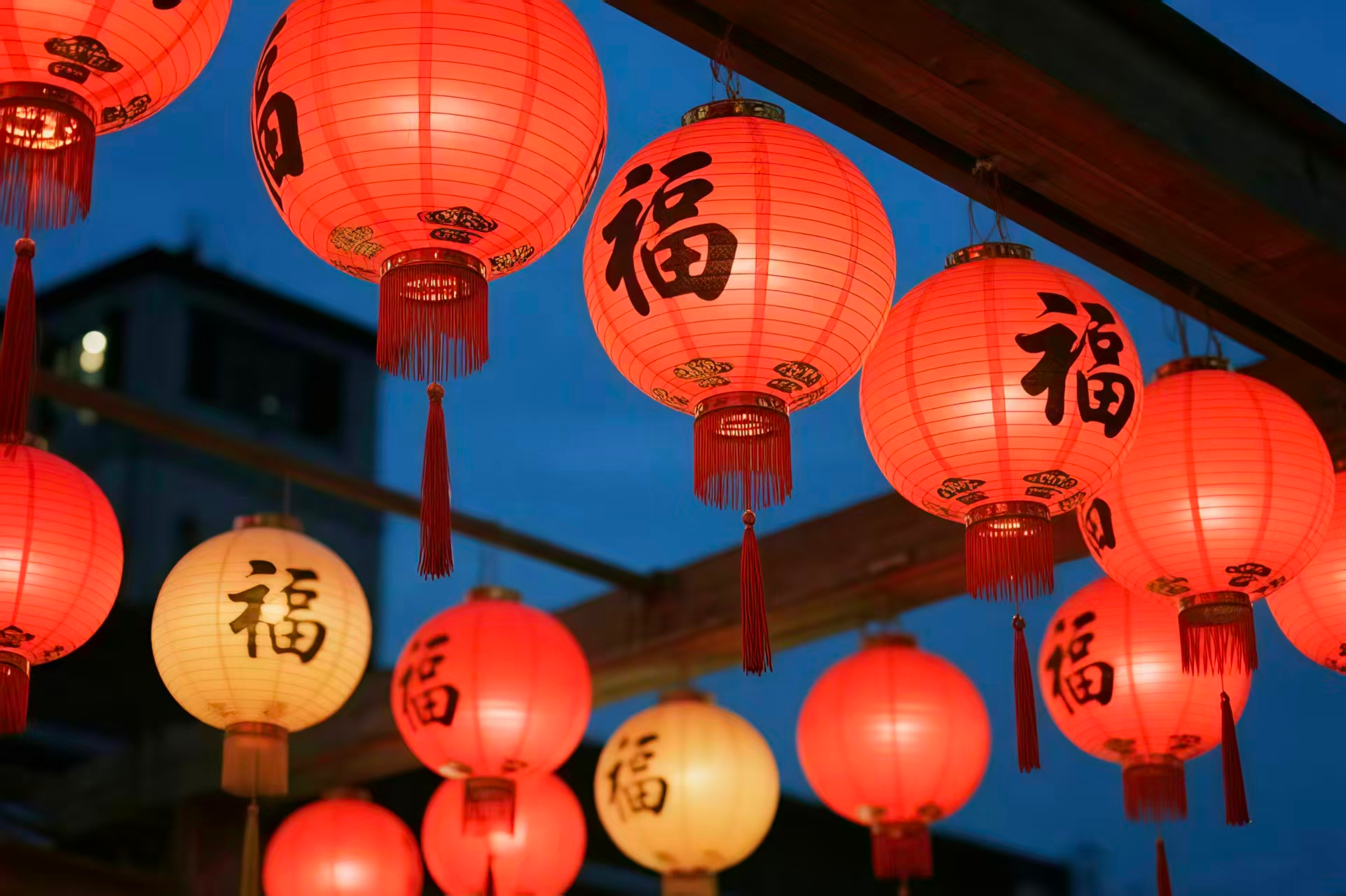
As the most important traditional festival in China, the Spring Festival carries profound cultural connotations of reunion, blessing and heritage. Celebrated across the whole nation with diverse regional customs, it features dumplings and temple fairs in northern China, flower markets and rice cakes in the south, as well as unique ethnic traditions in southwest China. This article explores time-honored rituals including New Year’s Eve dinner, staying up for New Year, paying New Year calls and Lantern Festival celebrations. It presents vivid local Spring Festival traditions and helps overseas readers deeply understand the charm and spiritual connotation of Chinese New Year culture.

The Spring Festival, also known as Chinese New Year, stands as the grandest, warmest and most cohesive traditional festival in China. It has been inscribed on the UNESCO Intangible Cultural Heritage List. More than just a mark of seasonal transition, it is an inherent cultural symbol and emotional home rooted in every Chinese person’s heart.
The celebration lasts for over a month, starting from kitchen god worship in the twelfth lunar month and ending with the Lantern Festival on the 15th day of the first lunar month. Across China’s vast land, all 56 ethnic groups welcome the new year with distinctive rituals. While regional customs vary greatly, they all uphold the core spirit of family reunion and cultural inheritance. This article takes you on a journey across China to discover how people celebrate the Spring Festival in different regions.
The Core Cultural Spirit of the Spring Festival
Originating from ancient year-end sacrificial rituals closely linked to China’s farming civilization and astronomical calendars, the Spring Festival centers on bidding farewell to the old and welcoming the new, showing respect to ancestors, and praying for a bumper harvest.
Three shared beliefs run through all celebrations nationwide. First is family reunion. The annual Spring Festival travel rush fully reflects the timeless belief that people will return home no matter how far they travel for the new year. Second is doing away with the old and ushering in the new. People clean their houses, paste Spring Festival couplets and hang red lanterns to sweep away bad luck and welcome good fortune. Third is praying for blessings. Ancestor worship, staying up late on New Year’s Eve and giving red envelopes all express people’s wishes for peace, health and prosperity. These shared values make the Spring Festival a powerful cultural bond transcending regional boundaries.

Spring Festival Traditions in Northern China
Spring Festival celebrations in northern China are grand, lively and full of strong ritual atmosphere.
- Many visitors travel to North China to enjoy authentic Spring Festival celebrations.In Beijing and North China, people worship the Kitchen God on the 23rd day of the twelfth lunar month, followed by house cleaning, pasting couplets and cutting paper window decorations. On New Year’s Eve, families gather to make dumplings. Coins or red dates are sometimes wrapped inside dumplings, and whoever finds them is believed to have good luck in the new year. People stay up until midnight to welcome the new year with firecrackers. On New Year’s Day, people pay New Year calls and receive red envelopes. The fifth day of the lunar new year is called “Po Wu”, when people make dumplings to symbolically seal away petty troubles. Traditional temple fairs offer snacks, folk performances and intangible cultural heritage shows, creating a strong festive vibe.
- In Northeast China, ice and snow blend perfectly with Spring Festival customs. People walk on sesame stalks to dispel bad luck. New Year’s Eve dinners are rich and hearty. Frozen pears and persimmons are popular winter treats. While the outside world is covered in snow and ice, families stay warm and joyful indoors.
- In Shanxi and Shaanxi provinces, people steam flower-shaped buns and make garlic preserved in vinegar. Ancestor worship ceremonies on New Year’s Eve are solemn and grand. Folk activities such as community fire shows and iron flower performances showcase the bold and unrestrained charm of northern Chinese culture.


Spring Festival Traditions in Southern China
Festival-focused travel lets travelers taste New Year snacks and watch dragon & lion dance shows locally.
- In the Jiangnan water towns, people worship the Kitchen God and clean their houses on the 24th day of the twelfth lunar month. New year rice cakes are made, symbolizing steady progress year by year. People in Suzhou drink special Yuanbao tea, while locals in Changzhou avoid sweeping rubbish out of the house on New Year’s Day to keep wealth at home. On New Year’s Eve, families enjoy glutinous rice balls and fish, representing reunion and surplus. It is also a local tradition not to sweep the floor or pour water on the first day of the new year to retain good fortune.
- In Guangdong and Lingnan areas, visiting Spring Festival flower markets is an indispensable tradition. Homes are decorated with fresh flowers and tangerine trees for good luck. Dishes such as sea moss and lettuce are served at the reunion dinner, as their pronunciations symbolize wealth and prosperity. People exchange tangerines during New Year visits as a blessing for great luck, and lion dance performances parade along streets to send good wishes to every household.
- In Fujian and Minnan regions, people make red rice pastries and enjoy reunion dinners on New Year’s Eve. Long noodles are eaten on the first day to pray for longevity. Grand traditional god parade activities are held, preserving complete and ancient folk traditions.


Ethnic and Southwest China Spring Festival Customs
Southwest China is home to multiple ethnic groups, where Spring Festival celebrations combine Han traditions with unique ethnic styles.
- In Sichuan and Chongqing, hot pot and mahjong have become popular modern New Year pastimes. Zigong’s magnificent lantern fair is famous nationwide, and appreciating lanterns during the Lantern Festival marks the climax of local celebrations.
- In Yunnan and Guizhou, Han people follow traditional customs like pasting couplets, while ethnic minorities keep their own unique traditions. Tibetans celebrate the Tibetan New Year and enjoy traditional food to predict fortune. Yao people hold mountain festivals with singing and dancing to celebrate the occasion. Various ethnic groups celebrate together with toast ceremonies, folk songs and bonfire parties.
- In Guangxi, dragon and lion dances and flower market visits are popular. Traditional dishes such as rice cakes and braised pork are served, blending Lingnan style with ethnic folk customs perfectly.

Universal Classic Spring Festival Rituals
Some iconic traditions are celebrated all over China regardless of region.
- The New Year’s Eve Reunion Dinner is the soul of the Spring Festival. Northern families prefer dumplings while southern families serve fish and glutinous rice balls. Every dish carries an auspicious meaning, bringing family members together to share warmth and affection.
- Staying up for the New Year means keeping awake all night on New Year’s Eve to bid farewell to the old year, welcome the new one and pray for family safety and happiness.
- New Year visits and red envelopes are essential traditions. People visit relatives and friends to send blessings, and elders give red envelopes to younger generations as a symbol of care and good luck.
- The Lantern Festival on the 15th day marks the end of Spring Festival celebrations. People admire lanterns, solve lantern riddles and eat glutinous rice balls, bringing the whole festive season to a perfect close.

The Spring Festival is a precious cultural treasure belonging to both China and the world. From north to south, from east to west, and among all ethnic groups, customs may differ in form but share the same core spirit of reunion, gratitude and blessing.
It represents homesickness, inherits traditional culture and strengthens national identity. As times change, the essence of the Spring Festival never fades. It always warms people’s hearts, connects tradition with the future, and unites Chinese people with deep cultural emotions. Exploring diverse Spring Festival celebrations across China is the best way to understand the tenderness and profound heritage of traditional Chinese culture.Build your own Chinese New Year getaway via our [festival-based China travel plan].