
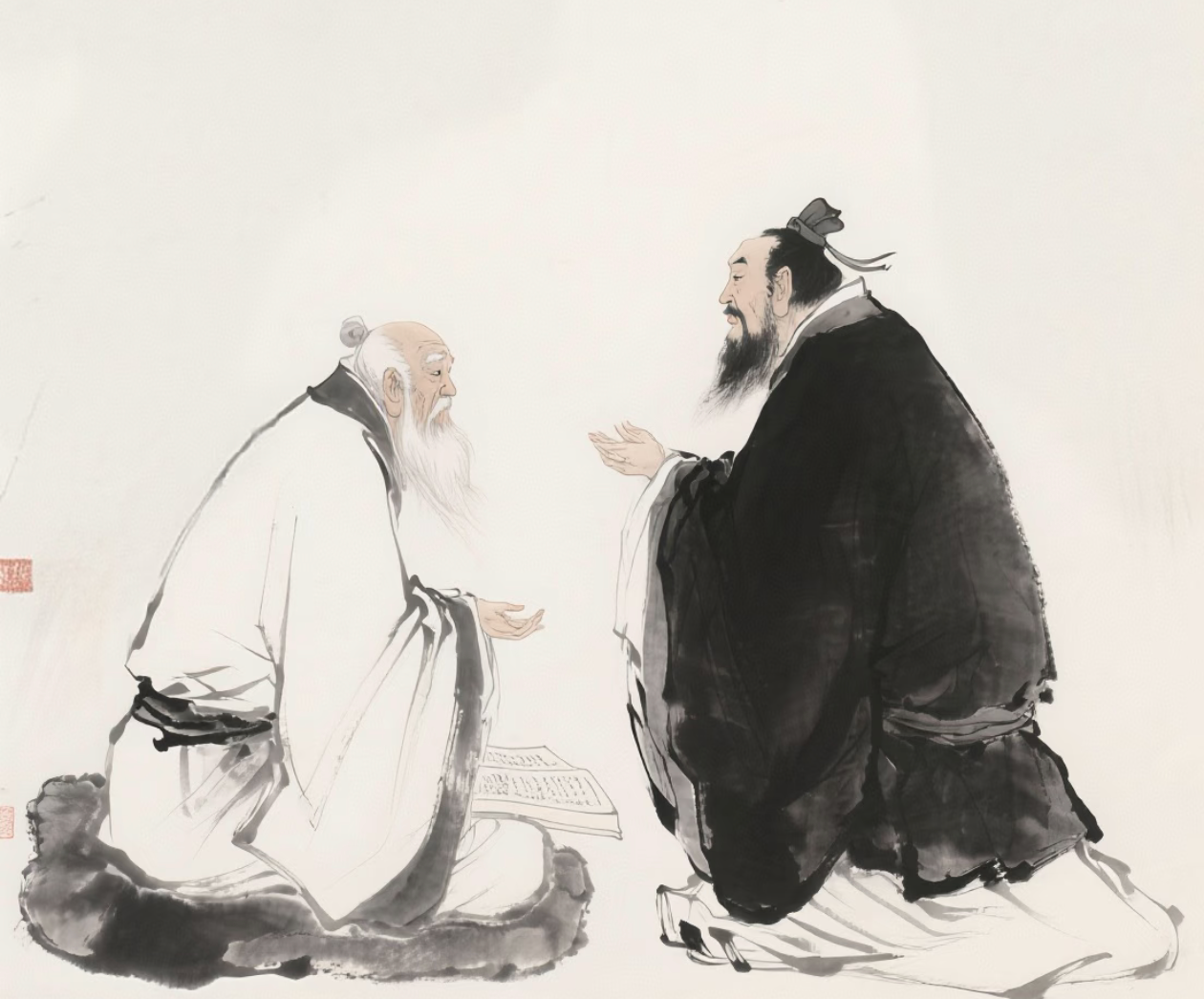
In Chinese culture, “face” (mianzi) is one of the most important social concepts. It is not about physical appearance, but about dignity, reputation, respect, and social status. Face influences almost every part of daily life—family, work, friendship, business, and even simple conversations. Understanding face is key to communicating well with Chinese people, avoiding awkward mistakes, and building good relationships. This article explains the cultural background, common situations, and practical tips for visitors.
Cultural Background: What “Face” Means in China
The idea of face comes from thousands of years of Confucian values, which emphasize respect, harmony, hierarchy, and modesty. In Western cultures, people focus more on individual freedom and direct honesty. In China, maintaining harmony and saving face for others is often more important than saying everything directly.
Face can be gained, lost, or given. Gaining face means making someone look good in front of others—through praise, respect, or public recognition. Losing face means feeling embarrassed, ashamed, or disrespected, often in public. Giving face means showing extra respect to someone, especially elders, leaders, or guests.
Because China values group harmony, losing face in public is very uncomfortable. People will often avoid direct criticism, blunt refusals, or public arguments to protect everyone’s face. Even when disagreeing, Chinese people usually speak gently and indirectly.

Everyday Situations: How Face Works in Modern Life
Face is everywhere in daily Chinese life. Here are common examples you may see or experience.
- In family and social gatherings
At a family dinner or friend’s party, elders and guests are always respected first. The host will offer the best food, pour tea, and praise guests. This is giving face. If someone criticizes a guest openly or argues loudly, it makes the guest lose face and breaks harmony. - At work and business
In offices, bosses and senior staff are treated with respect. Employees rarely disagree directly in front of others. If a boss makes a mistake, subordinates may not point it out publicly—they will mention it privately later. In business meetings, saving face helps keep good cooperation. - When receiving praise or gifts
Chinese people often refuse praise politely at first, even if they are happy. Saying “No, I’m not good enough” is a way to be modest and keep face for others. When receiving a gift, people may refuse once or twice before accepting. This shows politeness, not dislike. - In public mistakes
If someone spills a drink or makes a small mistake in public, friends will usually help them smooth it over quickly, not laugh or blame. This helps the person save face.

Visitor’s Guide: How to Respect Face and Avoid Misunderstandings
For foreign visitors, face culture can be confusing. You don’t need to master all rules, but these simple tips will help you behave politely.
Practical Tips:
- Avoid direct public criticism. If you disagree, speak softly or talk in private. Saying “You are wrong” in front of others can make people lose face.
- Be modest when praised. When someone praises you, reply politely like “Thank you, you are too kind.”
- Respect elders and hosts. Let them start first, listen carefully, and show appreciation. This gives them face.
- Refuse gently if needed. Instead of saying “No,” try “I’m not sure,” “Maybe later,” or “It’s okay.” Soft refusal saves face.
- Don’t push for direct answers. If someone says “We’ll see,” it often means “No,” but they don’t want to refuse directly.
- Praise sincerely. Compliment people’s work, food, or hospitality. It makes them feel good and builds relationships.
Closing Thought
Face in Chinese culture is about respect, harmony, and dignity. It is not complicated, but it shapes how people talk, act, and treat each other. When you understand face, you will find Chinese people kind, polite, and easy to get along with. Whether you join a family meal, meet business partners, or make new friends, respecting face helps you build trust and enjoy warm relationships in China.
