
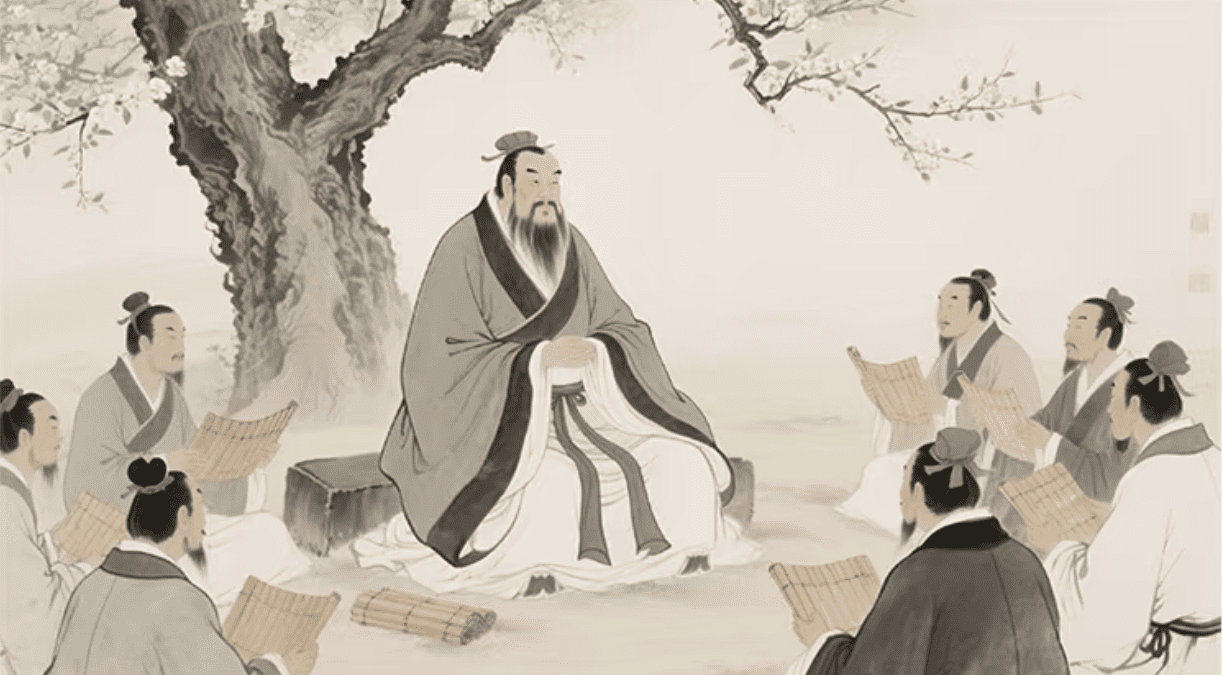
Profound Influence of Traditional Philosophy and Historical Culture
The Chinese tradition of valuing family stretches back thousands of years, shaped decisively by Confucianism. Confucianism strongly advocates filial piety, respect for the elderly, family harmony, and a hierarchical family order with proper senior‑junior relations. Confucius believed that a stable and harmonious family is the foundation of national stability. Peaceful households bring social order; when everyone respects their parents and elders, society naturally runs smoothly.
In ancient China, extended families were common, with grandparents, parents, uncles, aunts and children living under one roof. Family rules and virtues were strictly observed. Elders held authority, while younger generations were taught from childhood to obey and respect seniors and shoulder family responsibilities. This lifestyle has lasted for millennia, gradually forming a cultural belief: an individual belongs not only to themselves but also to the whole family.
Western culture emphasizes personal achievement, whereas traditional Chinese culture prioritizes family honor. One person’s success brings glory to the whole family; one’s mistake may bring shame to the clan. This mindset still subtly influences modern Chinese people’s choices in education, career and marriage.

Family as Life Support and Emotional Haven
Another major reason why Chinese people cherish family deeply is that it provides lifelong material support and emotional comfort. In ancient times, without sound social welfare, pension and security systems, people could only rely on their families when facing hardship, illness, old age or disasters. Raising children was not merely a personal choice but a practical way to secure old‑age care.
Even in modern times, with improved social welfare, this tradition remains strong. Faced with high housing prices, fierce workplace competition, and costly education and medical expenses, family remains the most reliable backup. Parents often help their children buy homes, support their studies and care for grandchildren; adult children, in turn, are expected to support their elderly parents financially and in daily life.
The same applies emotionally. When suffering setbacks, stress, disappointment or loneliness, Chinese people tend to turn to family rather than friends or counselors. Unconditional comfort, encouragement and understanding from family serve as a lifelong spiritual shelter.

Close Kinship Ties and Harmony‑Oriented Collectivism
In Chinese culture, “harmony in the family brings prosperity in all things” is regarded as the greatest blessing. People firmly believe that only a harmonious family can lead to smooth lives. Therefore, maintaining peaceful family relations often outweighs personal feelings and opinions. From an early age, Chinese people are taught to be modest and tolerant, to understand family members, avoid direct conflicts, respect different views, and keep the family warm and stable.
Collectivism is deeply rooted in family life. Individualistic cultures encourage people to pursue personal ideals regardless of family expectations. By contrast, when making life decisions, Chinese people always take family into account: choices of major, job, city of residence and even marriage are discussed with parents and elders. While personal dreams matter, family expectations and collective interests are often prioritized.
Traditional festivals further strengthen kinship bonds. Centered on reunion, Spring Festival, Mid‑Autumn Festival and Qingming Festival prompt people to return home for family gatherings no matter how far they travel for work. These customs pass down the message from generation to generation: family reunion is irreplaceable and precious.
