
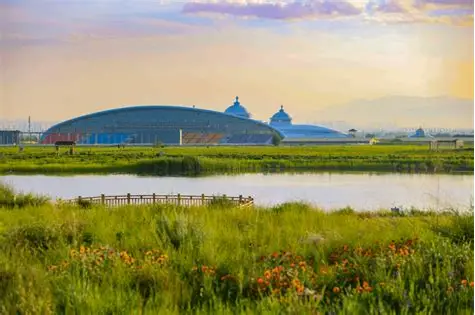
As the capital of China’s Inner Mongolia Autonomous Region, Hohhot—meaning “Blue City” in Mongolian—sits on the Tumochuan Plain, with the Daqing Mountains rising to its north and endless grasslands stretching to its south. Home to over 3 million people, this city is a unique bridge between nomadic traditions and modern life. Known as China’s “Dairy Capital” (birthplace of famous brands Yili and Mengniu), it offers foreign travelers a rare chance to experience both the grandeur of the steppes and the convenience of a modern metropolis.
City Features: A Harmony of Cultures
Hohhot’s charm lies in its cultural mix. While ethnic Mongolians make up less than 15% of its population, their traditions thrive alongside Han and Hui Muslim cultures. Golden-roofed Tibetan Buddhist temples stand near bustling halal markets; herders in traditional Mongolian robes walk beside office workers in suits on city streets. This blend of ancient spirituality, nomadic customs, and modern living creates an atmosphere that feels both exotic and welcoming—unlike any other city in China.
Must-Visit Attractions
Dazhao Temple: A 16th-century Tibetan Buddhist landmark, once a “Royal Temple” for Mongol rulers. It houses a stunning silver Buddha statue and intricate murals, with quiet courtyards perfect for escaping the city’s buzz.
Five-Pagoda Temple: Famous for its five tall stupas covered in over 1,500 Buddhist carvings and ancient astronomical inscriptions—an excellent example of Qing Dynasty architecture.
Inner Mongolia Museum: A world-class museum with dinosaur fossils, relics from the Mongol Empire, and colorful ethnic costumes. It’s the best place to learn about the region’s history and culture.
Huitengxile Grassland: A 2-hour drive from the city, this vast grassland lets you step into nomadic life. You’ll see grazing sheep, yurts (traditional Mongolian tents), and sweeping views of green plains.
Local Experiences
Horseback Riding: Ride across the grasslands with local guides—rent a traditional Mongolian robe to make the experience more authentic.

Naadam Festival: Held in July-August, this iconic Mongolian festival features horse racing, wrestling, and archery (called “the three manly games”). It’s a lively celebration of nomadic culture.

Yurt Stay: Spend a night in a yurt. Hosts will greet you with a “hada” (a white scarf symbolizing respect) and serve steaming salty milk tea.

Muslim Quarter Tour: Wander the busy streets of Hohhot’s Muslim Quarter, where you’ll find spice stalls, handicraft shops, and the aroma of grilled lamb—an intersection of Mongolian and Islamic flavors.
Food Guide
Genghis Khan Roast Meat: Thin slices of lamb or beef grilled on an iron plate, seasoned with garlic and ginger. Legend says this dish was a favorite of Genghis Khan.

Mongolian Hot Pot: Tender sheep meat boiled quickly in a pot, then dipped in savory sauces. It’s a hearty meal ideal for cool evenings.

Salty Milk Tea: A local staple made with boiled milk and tea leaves. It’s served hot as a welcoming drink in yurts and restaurants.

Shaomai: Steamed dumplings filled with minced meat and vegetables. A popular snack with a history dating back to the Qing Dynasty.

Practical Information
Transport: Hohhot Baita International Airport has flights to Beijing (2 hours) and Ulaanbaatar (Mongolia). High-speed trains connect Hohhot to Beijing in 2.5 hours. City buses and taxis are cheap and easy to use.
Language: Mandarin is widely spoken. English is available in hotels and major attractions. Learning a simple Mongolian greeting like “sain bainu” (hello) will make locals smile.
Etiquette: When entering a yurt, use your right hand to take food; don’t step on the threshold; never point at someone’s head.
Best Time to Visit: June-August (lush grasslands and Naadam Festival) or September-October (mild weather and golden autumn landscapes).
Hohhot is more than a city—it’s a chance to touch the soul of Inner Mongolia. Whether you’re riding a horse on the grasslands or savoring salty milk tea in a yurt, you’ll take home memories of a culture that’s both ancient and alive.
Image sourced from the internet
Copyright Disclaimer for Images
Some images displayed on this website are sourced from the internet and are used for informational and reference purposes only.
We respect the intellectual property rights of all creators. The use of these images is not intended to infringe upon any owner’s copyright.
If you are the copyright holder of any image used on this site and believe it is being used without appropriate permission, please contact us. Upon verification of your ownership claim, we will promptly take the necessary action, which may include removing the image or providing proper attribution as per your request.
Please reach out to us at: [email protected]