
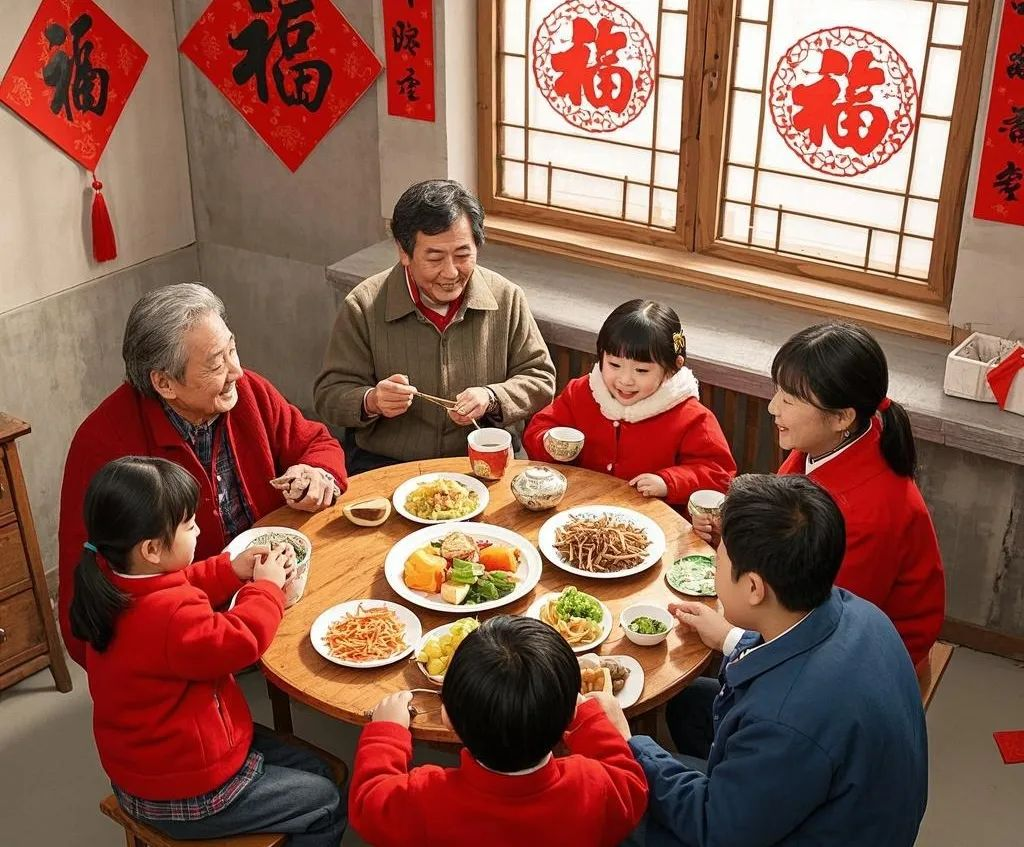
Imagine sitting down at a round table in Beijing, surrounded by colleagues or friends. A lazy susan spins slowly in the center, laden with dishes meant for sharing. Your host gestures for you to sit in the “wrong” seat—or so it seems. A toast is about to happen, and everyone seems to be looking at you expectantly. What do you do?
This moment captures the essence of Chinese dining culture: rich, layered, and deeply social. Understanding these unwritten rules isn’t about memorizing rigid customs—it’s about grasping the underlying logic that shapes how Chinese people connect, show respect, and build relationships over food.
The Cultural Roots of Chinese Table Manners

Chinese dining culture is fundamentally relational—centered not on individual enjoyment but on the bonds between people sharing a meal. This contrasts sharply with Western dining norms, where the meal often revolves around personal preferences.
The historical roots trace back to Confucian values that have shaped Chinese society for over two thousand years. Confucius emphasized harmony, hierarchy, and proper conduct in social relationships—and the dining table became a microcosm where these principles were enacted daily. When you see a Chinese host carefully arranging dishes in front of an honored guest, or waiting for the eldest person at the table to begin eating, you’re witnessing rituals that have been refined over centuries.
This relational philosophy also explains why Chinese dining is communal by nature. Eating from shared dishes, rather than individual plates, symbolizes unity and shared fortune. When a host scoops food onto your plate—sometimes insistently—they’re expressing care and ensuring you’re well-fed, which reflects upon their hospitality. The more food on the table, the more honor shown to guests.
Another key concept is face (mianzi), which operates throughout Chinese social life but is particularly visible at the dining table. Face isn’t just about personal dignity—it’s about reputation, social standing, and mutual respect. When a host refuses to let you pay for dinner, they’re demonstrating their generosity and ensuring everyone knows they can host well. Letting them pay allows them to gain face. Similarly, toasting someone with both hands or noticing who hasn’t been served yet shows social awareness and respect.
Understanding this relational framework explains why some practices that seem odd to Western visitors actually make perfect sense. For instance, why might a host keep insisting you eat more even after you’ve said you’re full? Because in Chinese culture, one polite refusal is acknowledged, but continued insistence shows genuine warmth. The host’s concern isn’t about the food itself—it’s about making sure you feel welcomed and valued.
How These Traditions Manifest in Modern China

You might expect such ancient customs to have faded in China’s rapidly modernizing society, but dining etiquette remains remarkably alive and well. In fact, understanding these traditions has become even more important as China has become a major hub for business and tourism.
In contemporary China, you can see these values playing out in everyday scenarios. Picture a Sunday lunch with a Chinese family: the grandfather sits facing the door (the position of honor), while younger family members arrange themselves around the table. When a new dish arrives, it’s first rotated toward the elder or the guest of honor.
These small acts aren’t performative; they’re genuinely felt expressions of family bonds and respect. In professional settings, the etiquette becomes even more pronounced. Business dinners in China often follow a ritualized pattern: extensive toasting, discussions that move between personal topics and business matters, and a final resolution that may or may not happen over food.
The host carefully manages the pacing of the meal, the flow of conversation, and ensures that everyone’s glass is never empty. The modern adaptation also appears in how hospitality norms have shifted. While it’s now perfectly acceptable to ask guests about their dietary restrictions (“Do you eat spicy food?” “Are there any allergies we should know about?”), the fundamental obligation of the host remains: to make guests feel welcomed and cared for. The pressure to drink alcohol, while real, is also more negotiable than it once was, especially among younger Chinese professionals.
What surprises many visitors is how food itself carries symbolic meaning beyond nutrition. A birthday dinner might feature long noodles (symbolizing longevity), while a business celebration might include fish (the word for fish, yu, sounds like surplus or abundance). The circular table, the shared dishes, the toasting—all these elements work together to create an atmosphere of shared purpose and connection. Even casual meals between friends follow these patterns, though with more relaxed execution. Young people might joke while reaching across the table, but the underlying respect remains. If someone scoops a piece of fish for their friend, it’s still an act of care.
What Visitors Should Know: Tips and Common Misunderstandings

Now comes the practical question: how do you, as a foreign visitor, participate in Chinese dining culture without committing faux pas or causing awkwardness? The good news is that Chinese hosts are generally aware that foreigners aren’t familiar with every nuance, and most will go out of their way to help you feel comfortable.
On Alcohol and Toasting
One of the most anxiety-inducing aspects for many visitors is the expectation to drink alcohol, particularly baijiu (Chinese spirits) at formal dinners. Drinking together is a bonding ritual, and the host’s insistence comes from a place of warmth, not pressure. If you don’t drink alcohol, it’s perfectly acceptable to decline politely—say you’ve recently taken medication, or simply that you don’t drink. Most hosts will respect this after a token insistence. However, if you do join the toasts, even taking just a small sip shows you’re participating in the ritual. During group toasts, keep your glass lower than those of seniors or honored guests as a sign of respect.
On Food and Eating
The communal eating style might feel unfamiliar, but it’s actually quite intuitive. Use the serving spoons or chopsticks provided, and don’t hesitate to try dishes you don’t recognize—taking a bite shows adventurousness and respect for the host’s offerings. You won’t be expected to finish everything on your plate, so don’t worry about not liking something. Taking a small portion of a dish you don’t particularly enjoy is perfectly fine; the intention behind accepting is what matters.
On Seating and Protocol If you’re uncertain about where to sit, wait for your host to guide you. In larger groups, the guest of honor faces the entrance, senior figures sit adjacent, and the host often faces them. If you’re unsure, a polite “Should I sit here?” will be welcomed. At casual meals, this matters less, and you can follow others’ lead.
On Payment
In China, the host typically pays, and arguing over the check can cause awkwardness. If a Chinese friend invites you, let them pay unless they’ve indicated otherwise. If you want to reciprocate, offer to pay at the next meal. A Final Thought: Don’t Stress the Details Here’s the most liberating advice: focus less on getting every rule right and more on the spirit behind them. Chinese dining etiquette is ultimately about warmth, connection, and mutual respect. If you approach meals with genuine curiosity, show kindness to those around you, and receive hospitality graciously, you’re doing it right. Small mistakes will be forgiven—Chinese people are often charmed by foreigners who try, even imperfectly. The magic of Chinese dining lies not in perfect execution but in authentic connection. So sit down, pick up your chopsticks, and enjoy the journey. Let the host guide you, follow their cues on pacing, and remember that this ancient tradition is fundamentally about bringing people together. That’s a universal language anyone can speak.