
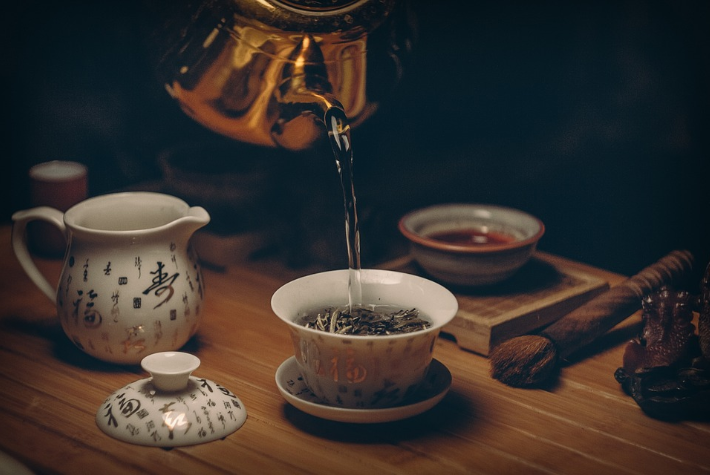
That cup of hot tea you get at a restaurant is just the tip of the iceberg. Chinese tea culture runs deep, with its own complex and fascinating social language—from the sound of boiling water to the way you hold your cup. It’s totally normal to feel a bit overwhelmed by the unfamiliar etiquette and endless varieties. Moving from a spectator to a participant is easier than you think; you just need to understand the hospitality hidden within that single cup.
Finding Your Spot: Where to Settle in for Tea
You don’t need to splurge on a five-star hotel to experience a proper tea ceremony. Depending on your vibe and budget, here are three solid options, each offering a totally different sensory experience.
The Source Trip: For the true tea geeks, go straight to the source. Head to Meijiawu in Hangzhou to see tea farmers picking tender buds at dawn and master roasters stir-frying leaves by hand over a hot fire. Or explore the craggy cliffs of Wuyi Mountain in Fujian to see the mother trees of the famous Da Hong Pao tea. Buying leaves directly from the farmer there gives you the purest taste of the terroir.
The Local Hangout: This is the most authentic way to go. Picture bamboo chairs and “Gaiwan” (lidded bowls) in Chengdu’s People’s Park, or tea houses lining the misty West Lake in Hangzhou. In Beijing, check out the courtyard teahouses tucked away in the historic Hutongs. Here, tea is just the backdrop; life is the main event. Some spots even have performers showing off insane long-spout teapot skills, pouring boiling water with pinpoint accuracy from meters away.
The Learning Studio:If you feel that simply drinking tea is no longer enough to satisfy your desire for exploration, consider signing up for a short workshop. But before that, mastering the basic knowledge of Chinese tea culture will help you better appreciate the etiquette of a tea ceremony. In Beijing, Shanghai, or Yunnan (the home of Pu’er tea), you will find 1-2 hour crash courses where an instructor will teach you how to tell the difference between green, black, oolong, and white teas. More importantly, they will show you the ropes on water temperature. Green tea likes it cooler, around 80°C, while Pu’er demands a full boil. They will also teach you how to nail the steeping time. This experience is less about making a drink and more about practicing patience.

Getting In: How to Join the Circle
You don’t always need a reservation to join a tea gathering. In China, tea is basically a social passport.
Join a Guided Tour: Many city day tours include a tea ceremony stop. It’s the path of least resistance. You’ll have a translator explaining each step, giving you a stress-free intro to the basics.
Say Yes to the Invite: If a local invites you for tea, take it as a huge sign of goodwill. We say “let’s have tea” when we want to spend quality time with someone. Accepting is the best way to peek into real Chinese culture, practice your language skills, and make friends. Conversations flow easily from the type of tea to family and life philosophies.
Just Walk In: See a place that looks good? Just walk in. Most teahouses have clear price lists, charging either per person or per pot. Tell the server what flavor profile you’re after, or let them pick their specialty. Don’t sweat the language barrier—smiles and pointing work wonders. Just double-check the price if you’re unsure.

Reading the Room: Essential Tea Etiquette
There’s an unwritten rulebook for tea manners. Knowing these makes you look polished and helps you avoid awkward faux pas. These rules aren’t meant to restrict you, but to show mutual respect.
- No Pressure Buying: In tea markets, tasting is mandatory. If a tea isn’t for you, just politely decline. Vendors can be enthusiastic, but a firm “No, thank you” is perfectly acceptable.
- The Finger Tap: When someone pours tea for you, tap two fingers lightly on the table. It’s a silent “thank you.” Legend says it started with Emperor Qianlong, who poured tea for his subjects while traveling incognito; the subjects couldn’t bow, so they tapped the table instead. Doing this makes you look like a pro.
The 70% Rule: Your host will only fill your cup about 70-80% full. It prevents burns and symbolizes leaving room for the relationship to grow. Never complain about a half-full cup; a full cup can imply you want the guest to leave.
- Slurp (a little): In a professional setting, a gentle slurping sound is actually okay—it helps cool the tea and trap the aroma in your mouth. Just don’t gulp loudly or make a scene.
- The Pecking Order: In a group, tea is served in order: elders first, then guests, then the host. If you’re a younger guest, it’s polite to let others be served before you.
- Learn More: Tea ceremonies focus on etiquette and respect. You can learn more about Chinese dining etiquette that is closely related to tea rituals.

Is This For You? Who Will Love This
Honestly, there’s no big physical demand, so pretty much anyone can enjoy this.
- The Slow Traveler: If you’re sick of rushing from landmark to landmark, a tea session is the perfect excuse to sit down, watch the world go by, and listen to the water boil.
- The Culture Buff: You’ll see how the principles of harmony, respect, purity, and tranquility are reflected in a simple cup. It’s a window into the Chinese soul.
- The Social Explorer: It’s a great icebreaker. The shared warmth of the tea cup dissolves barriers and helps you bond with locals or fellow travelers.
Whether you’re solo or with friends, as long as you’re curious and respectful, you’ll fit right in.
Ready to dive in? The best way to learn is by doing. Pick your city, search for a nearby teahouse, and start with a simple Oolong to taste its floral notes. Or try an aged Pu’er to feel the depth of time. Take your time, sip slowly, and enjoy the calm that comes with this ancient leaf—it’s not just a feast for the taste buds, but a baptism for the soul.
Copyright Disclaimer for ImagesSome images displayed on this website are sourced from the internet and are used for informational and reference purposes only.We respect the intellectual property rights of all creators. The use of these images is not intended to infringe upon any owner’s copyright.If you are the copyright holder of any image used on this site and believe it is being used without appropriate permission, please contact us. Upon verification of your ownership claim, we will promptly take the necessary action, which may include removing the image or providing proper attribution as per your request.Please reach out to us at: [email protected]