
Introduction: The Living Fossil of Tibetan Culture
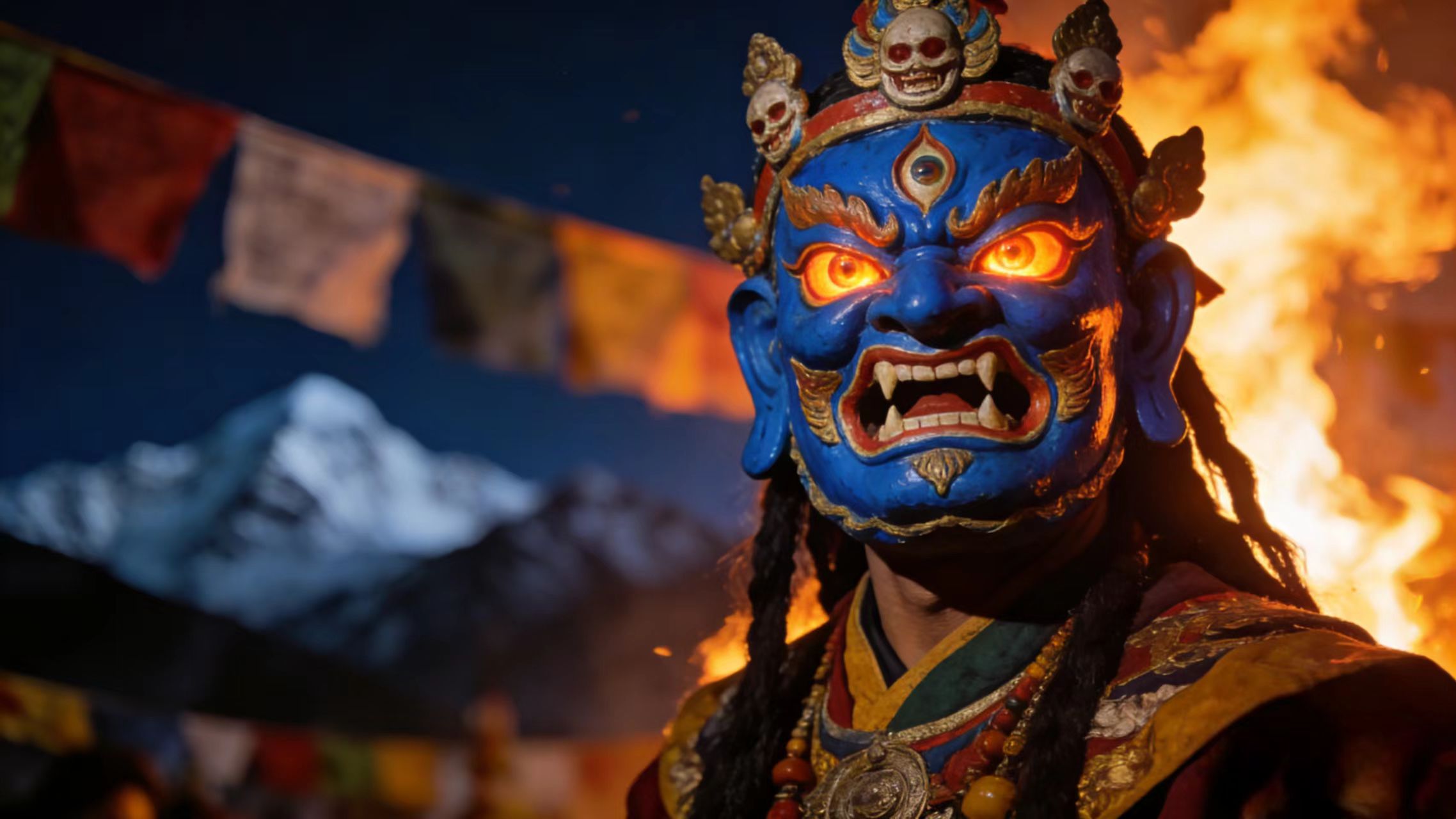
Imagine a performance where actors wear fierce masks, chant in deep voices, and dance to the primal rhythm of drums and cymbals. This is Tibetan Opera, or “Ace Lhamo” (Fairy Sisters) in the local language. For over six centuries, it has been the spiritual heartbeat of the Tibetan Plateau—a living fossil of culture that tells ancient stories through song, dance, and striking wooden faces .

A Bridge Builder’s Dream: The Birth of Tibetan Opera
The story begins in the 14th century with a Buddhist monk named Thangtong Gyalpo. He wanted to build iron bridges across Tibet’s dangerous rivers to help pilgrims. To raise funds, he gathered seven beautiful sisters and created performances based on Buddhist tales. Their shows drew crowds and donations, funding dozens of bridges. This is why Tibetans call him the “Father of Tibetan Opera,” and the art form itself “Fairy Sisters” .
The Name “Lhamo”: More Than Just Entertainment
Tibetan Opera is called “Ace Lhamo” in the local language—”Ace” means sister, “Lhamo” means goddess or fairy. The name reflects both its origin story and its spiritual nature. These performances were never just for fun. They were offerings, prayers made visible through movement and music, connecting audiences with Buddhist teachings and ancient legends .
The Language of Masks
In Tibetan Opera, the mask is everything. Different colors reveal different character types: red masks represent kings and powerful figures; green masks belong to queens and goddesses; yellow masks are worn by lamas and holy beings; white masks signify purity and kindness; blue masks are for hunters and warriors. The half-black, half-white mask reveals a two-faced, deceitful character—a visual shortcut anyone can understand .

Three Acts: The Structure of a Sacred Performance
Every Tibetan Opera follows a sacred three-part structure. The first part, “Dun,” is an opening ritual—purifying the space and blessing the audience. The second and longest part, “Xiong,” is the main story, performed in episodes narrated by a singer. The final part, “Zaxi,” is a closing blessing where performers offer good wishes and collect donations. This structure has remained unchanged for centuries .
Two Sounds, One World: The Minimalist Orchestra
Unlike Western opera with full orchestras, Tibetan Opera uses just two instruments: a drum and cymbals. These simple tools create complex rhythms that guide every movement, every entrance, every emotion. The drum beats like a heartbeat; the cymbals crash like thunder. The human voice does the rest—deep, guttural chanting that echoes across mountain valleys without any amplification .
White Masks and Blue Masks: The Two Great Traditions
Tibetan Opera divides into two main branches: White Mask and Blue Mask. White Mask operas are older, more ritualistic, closer to the original religious dances. Blue Mask operas developed later, with more elaborate stories and theatrical techniques. Within Blue Mask, four major schools emerged: Gyongba, Gyanggar, Xiangba, and Jianggar—each with its own singing style and regional flavor .
The Eight Great Operas: Tibet’s Epic Library
The traditional repertoire includes “thirteen major scripts,” with eight great classical operas forming the core. These include Princess Wencheng (the Tang Dynasty princess who married a Tibetan king), Norsang the Dharma King, Lhawang Dronma, and Drowa Sangmo. Each tells stories of kings and queens, saints and demons, love and sacrifice—always with Buddhist teachings woven through .
From Temple Courtyards to World Stages
Originally performed in temple courtyards and village squares, Tibetan Opera has now reached global audiences. In 2006, it was declared a National Intangible Cultural Heritage. In 2009, UNESCO added it to the Representative List of the Intangible Cultural Heritage of Humanity, recognizing its universal value. Today, it’s performed not just in Tibet but also in Qinghai, Sichuan, Yunnan, and even India, Bhutan, and Nepal .
Modern Winds: Tradition Meets Innovation
Today’s Tibetan Opera is evolving while preserving its soul. Professional troupes now perform with lighting, stage sets, and orchestral accompaniment—some even blend traditional singing with electronic beats to reach younger audiences . In 2008, China’s first university-level Tibetan Opera class began training a new generation of educated performers, ensuring the art won’t fade away .

A 17-Year-Old’s Story: The Next Generation
In 2025, a young woman named Zhuoma Yangji from Shigatse performed in a Tibetan Opera competition. At just 17, she played a male hero in the classic opera Pema Wangpo. Her father and grandfather were both opera performers—she learned from them since age six. Today, Tibet has over 30 folk opera troupes with performers as young as nine, keeping ancient traditions alive with youthful energy .
A Traveler’s Guide: Where and When to See Tibetan Opera
The best time to experience Tibetan Opera is during Shoton Festival (usually August), also called the Yogurt Festival. For eight days, troupes from across Tibet gather in Lhasa’s Norbulingka Palace to perform for thousands. You can also visit the Tibet Opera Troupe in Lhasa or catch performances at major monasteries during religious festivals. Always ask permission before photographing—these are sacred performances, not tourist shows .
Conclusion: The Eternal Chant
Tibetan Opera is more than theater—it’s prayer in motion, history in song, identity in mask. For 600 years, it has carried the stories, beliefs, and dreams of a people across the highest mountains on Earth. When the drums beat and the masks emerge, past and present dance together under the Himalayan sky.
Have you ever experienced a sacred performance art from another culture? What role do masks and ritual play in your own traditions? Share your stories below!
Copyright Disclaimer for Images
Some images displayed on this website are sourced from the internet and are used for informational and reference purposes only.
We respect the intellectual property rights of all creators. The use of these images is not intended to infringe upon any owner’s copyright.
If you are the copyright holder of any image used on this site and believe it is being used without appropriate permission, please contact us. Upon verification of your ownership claim, we will promptly take the necessary action, which may include removing the image or providing proper attribution as per your request.
Please reach out to us at: [email protected]”