
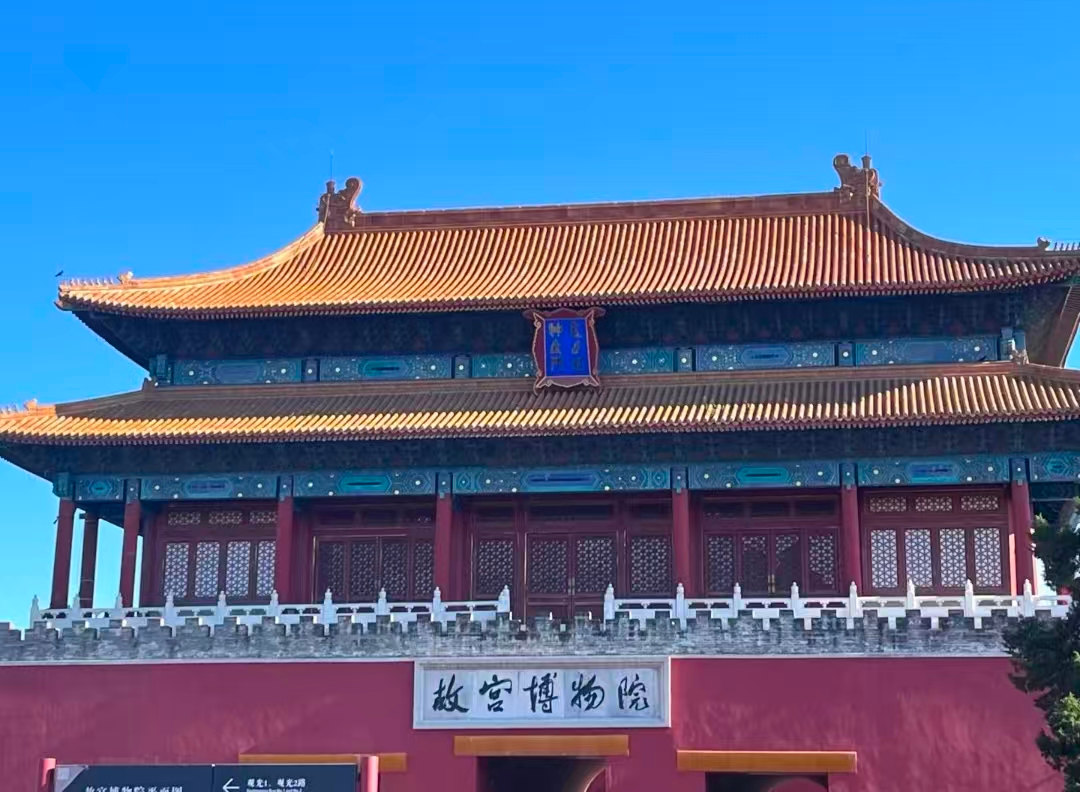
Beijing is an ancient capital with thousands of years of history that safeguards China’s long-standing civilization and unique local culture. Far from generic popular sightseeing spots, the city keeps authentic features of traditional Chinese culture. Well-structured imperial buildings reflect ancient urban planning and historic features, while original hutong blocks hold ordinary daily lives of local residents. Various handmade crafts and folk customs pass down life wisdom from one generation to the next. Ancient heritage blends naturally with modern city life and keeps its consistent cultural roots. Every old street, historic building and inherited craft shows how Chinese culture has evolved over time, making it an ideal place to explore authentic Chinese traditions and oriental culture.
Urban Context: The Soul and Spirit of the Ancient Capital
Beijing has a history of more than 3,000 years. For a very long time, it was the political and cultural heart of China, which shaped its unique character. The layout and spirit of Beijing’s imperial palaces are deeply shaped by Confucianism, which has influenced Chinese society for centuries.This is a city where ancient traditions and modern life blend naturally, side by side. It is not just a list of famous landmarks. Instead, Beijing works like a living window that helps visitors understand ancient Chinese society, everyday local customs, and the long-lasting traditions of art and craftsmanship.
What makes Beijing special is its complete cultural system: grand imperial buildings that show power and beauty, peaceful hutongs where real people live, traditional skills passed down through generations, and modern museums that tell the full story of China. For culture lovers, this city allows you to see Chinese culture from every angle—not just small pieces, but as a whole, connected story.

Core Cultural Experiences
The Forbidden City was the imperial palace of the Ming and Qing dynasties. Its symmetric central axis shows ancient Chinese order and royal rules. The buildings and artifacts help you understand royal life, ceremonies, and ancient craftsmanship, making it key to learning about China’s imperial culture.You do not have to rush through every corner. Take time to notice the structure, the colors, the small carvings, and the meaning behind the details. The buildings and cultural relics help you understand how the royal family lived, what ceremonies they followed, and how skilled ancient craftspeople were. For anyone wanting to learn about imperial culture in China, the Forbidden City is the most important place to visit.
Hutongs are the traditional narrow streets and alleys unique to Beijing. They are much more than mere passageways — they are the soul of local life. Most hutongs took shape hundreds of years ago, lined with traditional courtyard houses where many local residents still live, preserving age-old daily lifestyles. The less commercialized hutongs offer the most authentic urban experience. As you wander leisurely through these quiet alleys, you can witness locals commuting, neighbors chatting casually, and small family-run stores and old workshops operating as they have for generations. When wandering in hutongs, you will frequently meet local residents, and [learning basic Chinese greetings] helps you interact with them in a polite and natural way. These alleys represent living history, showcasing everyday customs that have endured for centuries and allowing visitors to truly understand how ordinary Beijing people live, think and connect with one another.
Beijing has many forms of intangible cultural heritage, such as clay sculptures, cloisonné, and Peking Opera. Trying them or watching a performance helps you easily understand the meaning behind traditional Chinese art and feel the charm of cultural inheritance.
The National Museum displays artifacts from ancient times to modern day in chronological order. It helps you put Chinese history into perspective. Visiting it with the Forbidden City gives you a fuller, more connected understanding of China’s past.

2-Day Cultural Itinerary
Day 1: In the morning, visit the Palace Museum, focusing on the central axis buildings and the Treasure Gallery. Take about four hours to enjoy the experience without rushing. At noon, eat nearby and try local dishes such as noodles and home-style cooking. In the afternoon, climb Jingshan Hill for a full, beautiful view of the Forbidden City. Then go to the National Museum to see the permanent history exhibitions. In the evening, walk along Qianmen Street to feel the historic business area of old Beijing.
Day 2: In the morning, walk quietly through authentic hutongs such as Yangmeizhu Xiejie and Xizongbu Hutong to admire traditional courtyard houses and observe real local daily life. Hutong communities maintain lively folk customs, especially during major holidays like the [Spring Festival], showcasing the area’s enduring traditional culture. At noon, dine at local family-run restaurants and taste authentic traditional street food. In the afternoon, join a pre-booked traditional craft experience or enjoy a classic Chinese opera performance. In the evening, wander around Shichahai, embracing the peaceful atmosphere where ancient hutongs blend with gentle waterfront scenery.

Who This Guide Is For
This guide is perfect for people who love Chinese history and folk culture and want deep, meaningful experiences; international travelers who want real local life without too much commercialization; students and content creators; first-time visitors who want to learn about Chinese culture; and anyone who enjoys slow, thoughtful travel.
Practical Tips
Book tickets for the Forbidden City and National Museum 3–7 days in advance. Weekdays are less crowded. Stick to authentic hutongs in Dongcheng and Xicheng districts. Book cultural experiences ahead; some offer English explanations. Beijing’s subway is fast and convenient for reaching cultural sites. Spring and autumn have the best weather for walking. Follow museum rules about photos and touching artifacts to respect the culture.
Want to plan a China cultural trip that fits you? Or learn more about in-depth experiences in Chinese cities? Follow our travel guides. We share easy, useful itineraries, clear cultural explanations, and practical tips for international visitors. Let us help you create your own meaningful journey into China and discover its unique, authentic culture.
Copyright Disclaimer for ImagesSome images displayed on this website are sourced from the internet and are used for informational and reference purposes only.We respect the intellectual property rights of all creators. The use of these images is not intended to infringe upon any owner’s copyright.If you are the copyright holder of any image used on this site and believe it is being used without appropriate permission, please contact us. Upon verification of your ownership claim, we will promptly take the necessary action, which may include removing the image or providing proper attribution as per your request.Please reach out to us at: [email protected]