
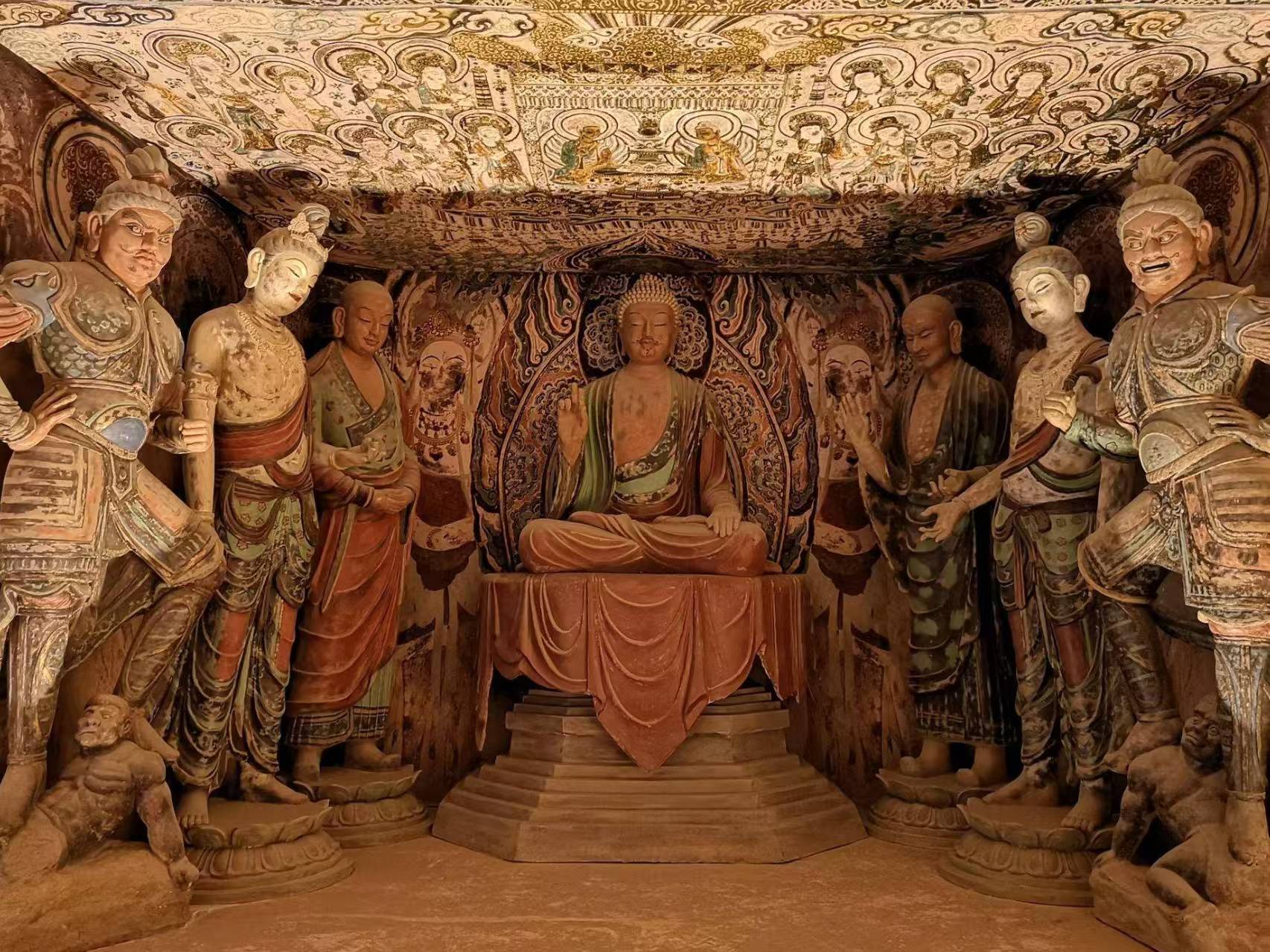
The city’s unique identity is defined by three iconic experiences: the Mogao Caves, Mingsha Mountain and Crescent Spring, and the vibrant Dunhuang Night Market. Beyond the sights, the true value lies in balancing rich historical context with on-the-ground practicality. Whether navigating local transport or respecting cultural etiquette, every detail helps you connect with the place.Here, history is not sealed behind glass; it is a tangible presence. We encourage you to look past simple sightseeing to grasp Dunhuang’s irreplaceable role as a core Silk Road hub. It is where the colors of ancient murals, the sound of the desert wind, and echoes of history converge, creating a cultural depth found nowhere else.
Cultural Positioning: A Millennia-Old Cultural Hub on the Silk Road
Nestled on the edge of the desert in northwest China, Dunhuang carries far more history than an ordinary tourist town. In ancient times, it acted as a critical gateway along the Silk Road. Merchants, monks and envoys from Central and West Asia stopped here to rest and resupply before continuing their long journeys. This made Dunhuang a key meeting point for Eastern and Western civilizations. Buddhist art spread from India and blended with traditional Chinese painting techniques, while Persian goods, Sogdian merchants and Chinese silk all left lasting traces in this land.
Today, Dunhuang still retains its open and inclusive character. It is not defined by modern city skylines, but stands as a living museum of the Silk Road. Every mural and every grain of sand here tells stories of ancient cross-cultural communication. Tourists from all over the world gather in Dunhuang every year, and learning simple daily Chinese expressions helps you make more local friends. A trip to Dunhuang is more than enjoying natural scenery; it is a chance to engage in a cultural dialogue that has spanned thousands of years, and speaking a few local words can open the door to even warmer connections.

Three Core Cultural Experiences to Explore Dunhuang’s Soul
1.Mogao Caves: Discover Silk Road Stories in Ancient Murals. As the most iconic symbol of Dunhuang’s culture, the Mogao Caves are not ordinary temples but a grand art gallery carved into cliff faces. Hundreds of caves are decorated with murals and painted sculptures created between the 4th and 14th centuries. Unlike static museum exhibits, these murals form a vivid, three-dimensional record of daily life on the ancient Silk Road—portraying merchants leading camel caravans, as well as ancient people’s diets, clothing styles and traditional dances. Having endured over a thousand years, these murals are delicate and vulnerable, making every quiet moment of contemplation truly precious.

2.Mingsha Mountain & Crescent Spring: Experience the Harmony of Desert and Oasis. Mingsha Mountain and Crescent Spring perfectly combine Dunhuang’s natural scenery and cultural heritage. Mingsha Mountain is a vast stretch of sand dunes that produce a soft humming sound when wind blows or visitors walk on the sand, giving the mountain its unique name. Nestled in the endless desert, Crescent Spring is a clear lake shaped like a crescent moon that has never dried up for thousands of years. This ancient oasis was a vital water supply station for Silk Road caravans, offering hope and survival for weary ancient travelers. Today, visitors can ride camels, try sand sliding, or watch stunning sunsets over the dunes. As the setting sun turns the golden sand warm and soft, you can easily feel the awe and longing that ancient travelers held for the vast desert.

3.Dunhuang Night Market: Experience Authentic Local Daily Life. At Dunhuang Night Market, the lingering charm of Silk Road culture can be seen everywhere. Shadow puppetry—a popular traditional folk art along the Silk Road—is occasionally performed by local artists on the streets, while the thousand-year Silk Road stories depicted in the Mogao Grottoes murals seem to blend into the lively atmosphere of the night market. More than a simple souvenir shopping street, it is a popular gathering place for local residents. After sunset, stalls light up one by one, and the air is filled with the inviting aroma of roasted lamb and traditional noodles. Travelers can try local specialties such as yellow noodles with donkey meat and baked buns, and watch local craftsmen create unique Dunhuang cultural products on site. Many details in the market reflect the lasting influence of Silk Road culture, including Western-style musical instruments and accessories that blend Central Plains and Central Asian design elements. Casual conversations with local vendors let you feel the city’s warmth and inclusiveness, which is an essential part of cultural travel.
Recommended Itinerary: 2-Day In-Depth Cultural Tour
Day 1: In-Depth Cultural Exploration of the Mogao Caves
- Morning: Head to the Mogao Caves Digital Exhibition Center first. Watch two feature films to learn about the history and artistic value of the caves, then take the official shuttle bus to the cave area. Follow a professional guide to visit open caves and appreciate the most representative murals and painted sculptures.
- Noon: Return to downtown Dunhuang for lunch and take a short break.
- Afternoon: Visit Dunhuang Museum. A wide range of cultural relics systematically showcase Dunhuang’s historical development and Silk Road culture, enriching your earlier cave visit experience.
- Evening: Wander around Dunhuang Night Market, taste authentic local food and immerse yourself in the lively local night atmosphere.

Day 2: Desert and Oasis Cultural Journey
- Early Morning: Set off for Mingsha Mountain and Crescent Spring early to avoid crowds. Stroll across the soft dunes in the gentle morning light and take panoramic photos of the iconic spring. You can choose a camel ride to experience the travel style of ancient Silk Road caravans.
- Morning: Return to the city center and visit the exhibition hall of Dunhuang Academy. Learn about professional mural protection work and understand the efforts behind preserving these precious cultural relics.
- Afternoon: Explore the ruins of ancient Shazhou City. Though only broken walls remain, the ruins allow visitors to imagine the prosperity of this vital Silk Road town in ancient times.
- Evening: Return to Mingsha Mountain to watch the breathtaking desert sunset. The stunning vast scenery brings a perfect end to your Dunhuang cultural trip.
Ideal Travelers: Who Is This Trip For?
Dunhuang is not a one-size-fits-all travel destination. It is most suitable for travelers who are willing to slow down and take time to explore history and local culture.
If you are fascinated by ancient civilizations, Silk Road stories or Buddhist art, the Mogao Caves will offer you a rewarding and unforgettable experience. If you love peaceful natural scenery and desert landscapes, the sunrise and sunset at Mingsha Mountain and Crescent Spring will leave you with lasting memories. With a gentle and low-intensity travel pace, Dunhuang is also perfect for senior travelers and anyone looking to escape the hustle and bustle of busy modern life.
However, Dunhuang may not match your travel expectations if you prefer fast-paced sightseeing and quick photo stops, have little interest in historical culture, or are sensitive to dry, windy weather conditions.

Practical Travel Tips for a Smooth Trip
- Best Time to Visit: May to June and September to October offer the most comfortable weather in Dunhuang, with mild temperatures and fewer sandstorms. The region gets extremely hot in summer and very cold in winter, so sufficient preparation is necessary if you travel during these seasons.
- Dressing & Skin Protection: Dunhuang has a dry climate and strong ultraviolet radiation. Remember to pack hats, sunglasses, sunscreen and moisturizing skincare products. Avoid overly revealing clothing when visiting the Mogao Caves, and do not bring large luggage into the cave areas.
- Cultural Etiquette: Numerous cultural relics are preserved in Dunhuang. We need to follow public rules and good social etiquette during the visit. When visiting the Mogao Caves, follow all scenic area rules — do not take photos, touch murals or speak loudly to protect the cultural relics. Additionally, always respect local dietary habits and customs at the night market and local restaurants as part of proper social etiquette.
- Transportation: Buses and taxis connect downtown Dunhuang with the Mogao Caves and Mingsha Mountain, making local travel convenient. You can also book a private car charter if you plan to visit surrounding scenic spots.

Add Dunhuang to your travel bucket list. Slow down your travel pace over two days, explore the ancient grottoes and wander the vast desert, and discover the timeless charm of this legendary Silk Road oasis. Every grain of sand and ancient artwork here is waiting for you to uncover its unique story.
Image sourced from the internet
Copyright Disclaimer for ImagesSome images displayed on this website are sourced from the internet and are used for informational and reference purposes only.We respect the intellectual property rights of all creators. The use of these images is not intended to infringe upon any owner’s copyright.If you are the copyright holder of any image used on this site and believe it is being used without appropriate permission, please contact us. Upon verification of your ownership claim, we will promptly take the necessary action, which may include removing the image or providing proper attribution as per your request.Please reach out to us at: [email protected]