
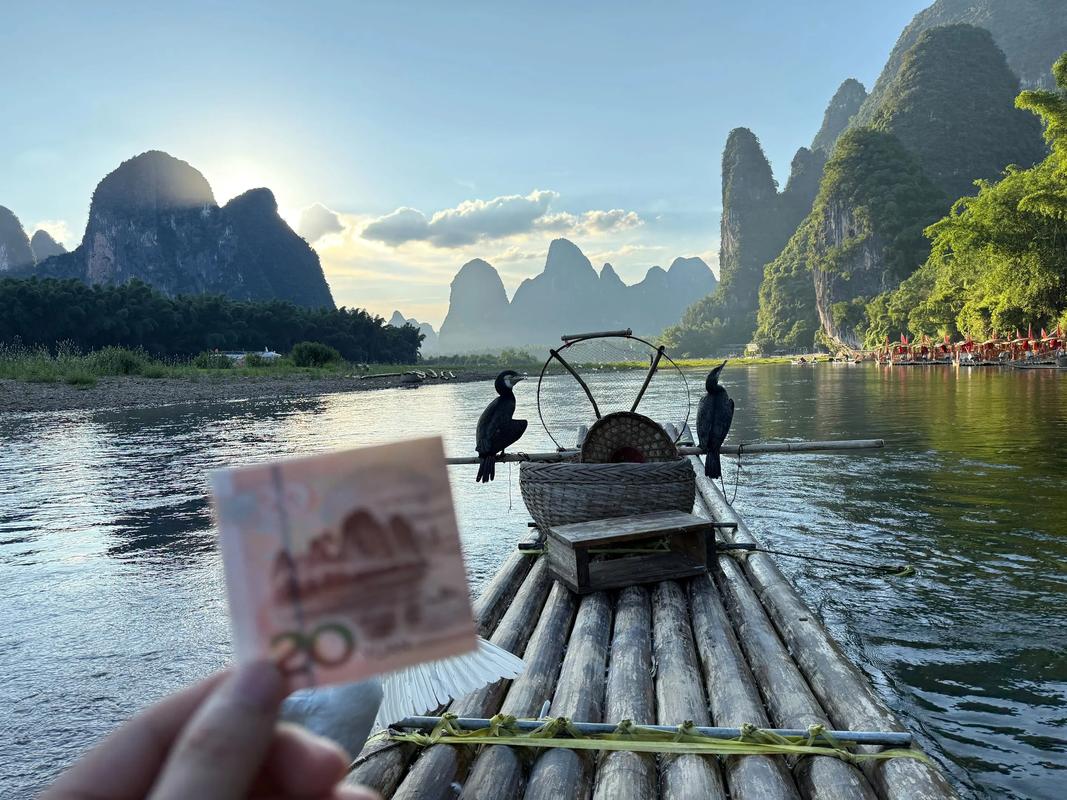
Water is the lifeblood of Guilin’s civilization. The Two Rivers and Four Lakes scenic zone, Li River and Yulong River weave together historic sites, intangible cultural heritage and ancient villages, showcasing three ancient wisdoms: managing water, living alongside water and coexisting harmoniously with rivers. This five-day itinerary skips rushed sightseeing. Take your time traveling along the waterways and uncover the authentic culture of northern Guangxi as you follow the river currents.
Three Rivers, Three Local Lifestyles
Guilin’s water systems fall into three distinct parts. The Two Rivers & Four Lakes used to serve as ancient city defense and water transport canals. The main Li River nurtures fishing villages and riverside neighborhoods along its banks, while the Yulong River, a tributary, stays quiet and untouched with pristine natural scenery.Spend five slow days wandering alongside these waterways, moving beyond casual sightseeing to see how rivers shape locals’ daily lives and regional culture. March through May and September to November are ideal visiting seasons: steady water levels plus gentle mist make it perfect for in-depth cultural explorers. Reach Guilin conveniently by high-speed rail; take taxis around downtown, cruise by boat on the Li River, and opt for traditional hand-poled bamboo rafts only on the Yulong River.

Explore Each Waterway One by One
Day 1|Two Rivers & Four Lakes: Waters Wrapped Inside Old City Walls.
Stroll from Shanhu Lake to Ronghu Lake, focusing on the Ancient South Gate and Tang-era Stupa right along the waterfront. Their waterside location proves these waterways once worked as part of the ancient city’s defensive wall. Take an evening cruise after dark; the lit reflection of Mulong Pagoda makes it clear: instead of keeping water outside city limits, ancient Chinese brought rivers right into town. Overnight in Guilin.
Days 2–3|Li River: The River for Boat-Borne Life.
Sail from Guilin to Yangshuo on Day 2 for around four hours. Keep an eye out for old ferry docks, heritage storefronts and fishing mudflats lining the banks. On Day 3, watch traditional cormorant fishing in Yangshuo to experience authentic riverside fishermen’s life. Stay overnight in Yangshuo for two nights.
Day 4|Yulong River: A Quiet Waterway Free of Engine Noise.
Head from Yangshuo to Yulong River and ride hand-punted bamboo rafts (no motor engines) between Jiuxian and Gongnong Bridge. Lush rice paddies, stone arch bridges and rustic countryside stretch along both banks. Glide downstream for two hours through a living Chinese ink landscape. Spend another night in Yangshuo.
Day 5|Back to Guilin: Wrap Up Your Three-River Adventure.
Return to Guilin from Yangshuo in the morning and visit Mulong Lake to grasp how ancient planners channelled river water into the city’s urban layout. Wander at leisure and relax by the riverside in the afternoon. After exploring all three water systems, you’ll easily tell them apart: busy, motor-boat filled Li River was a historic trade route; serene Yulong River embodies idyllic rural scenery; urban Two Rivers & Four Lakes blend seamlessly into locals’ everyday life.

Handy Travel Tips
You can buy Two Rivers & Four Lakes night cruise tickets on the same day, but book Li River boat tickets two days ahead during peak travel seasons. Yulong’s hand-poled bamboo rafts fit only two passengers, so store large luggage in Yangshuo first if you’ve got bulky bags. Meals on Li River cruises are pretty basic; stocking up on snacks in Guilin before departure is your best bet.

Exploring these three waterways brings far more than stunning mountain-and-river scenery; you’ll discover how Guilin’s culture grew alongside its rivers. This route follows the water from downtown out to rural tributaries, shifting from historic city commerce to countryside farming traditions. Travel along the currents to fully understand Guilin’s river-rooted civilization. The pace is well-balanced with practical, easy-to-follow travel arrangements.
