
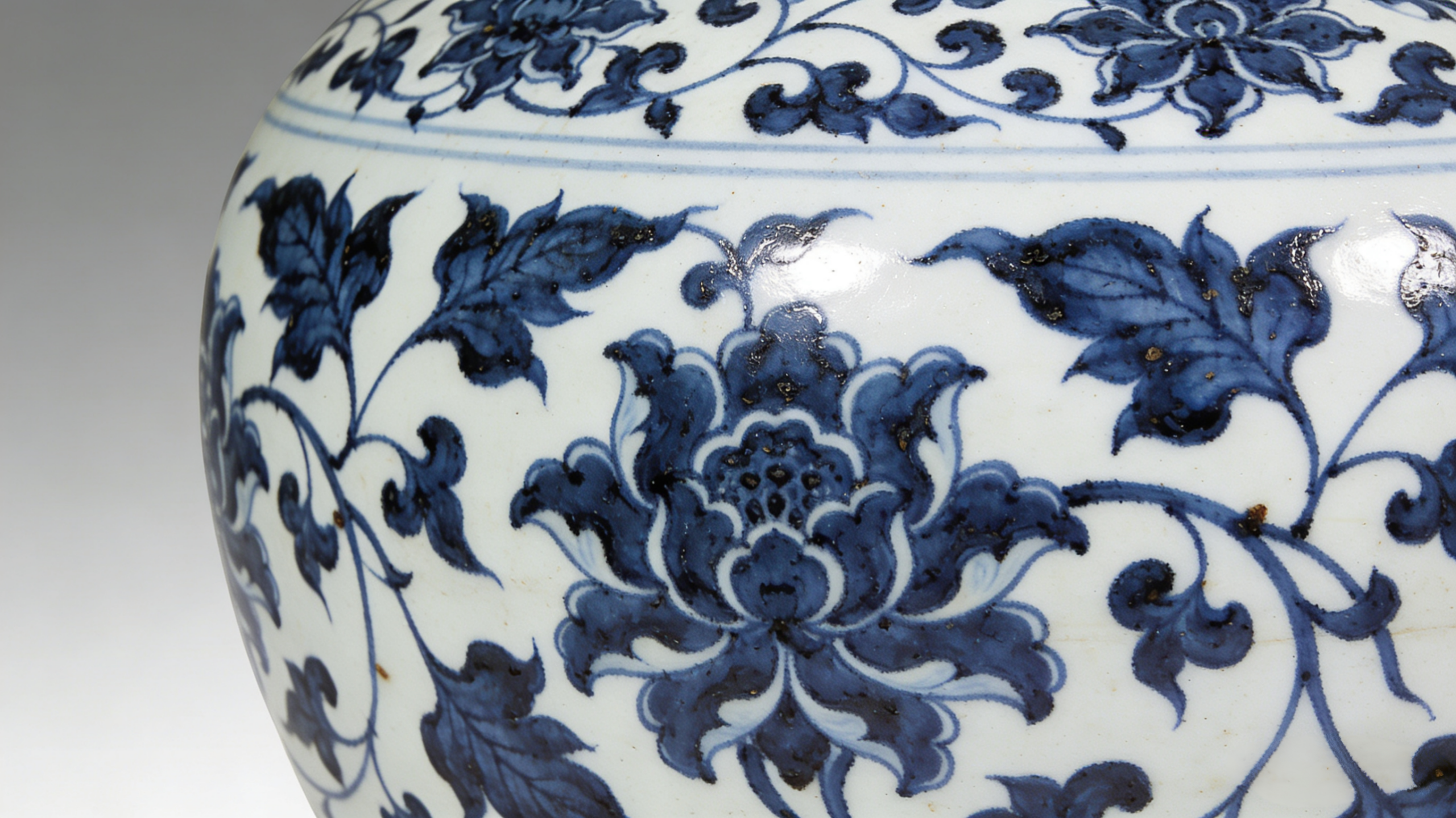
For centuries, the West knew the land of silk and tea by another name: the land of porcelain. “China” did not just produce this exquisite art—it became synonymous with it, defining the global standard for beauty in ceramic craft.
A Tale of Fire and Clay: The Origin of Porcelain
The story of Chinese ceramics begins not with delicate vases, but with sturdy, everyday pottery over 10,000 years ago. This was humanity’s universal first step in mastering earth and fire. The revolutionary leap came during China’s Tang and Song dynasties, when artisans perfected the recipe for true porcelain. By blending fine kaolin clay and petuntse stone at extreme temperatures, they created a material that was white, strong, and miraculously translucent—a secret unmatched in the world for centuries.

Why Porcelain Embodies the Chinese Spirit
Porcelain is more than a craft; it is a physical expression of core Chinese values. The transformation of humble clay into a luminous object mirrors philosophical ideals of refinement and potential. Its strength despite its delicacy represents resilience, while the meticulous skill required honors dedication and harmony between human and material. In its global journey, it became the ultimate cultural ambassador.

From Imperial Kilns to Global Icon: A Timeline of Influence
7th-10th Century (Tang Dynasty): Porcelain begins its journey along the Silk Road, a luxury as prized as silk itself.
14th-17th Century (Ming & Qing Dynasties): The iconic blue-and-white porcelain dominates global trade. The name “chinaware” becomes common in English.
18th Century Onwards: European attempts to replicate the formula, like the discovery of Meissen porcelain, spark a global ceramic revolution inspired by Chinese techniques.
A Living Culture: Porcelain in Modern China
Today, this ancient art is vibrantly alive. In Jingdezhen, the millennia-old “Porcelain Capital,” master potters work alongside contemporary designers. Young artists reinterpret classic forms for global galleries, while ceramic studios in major cities offer popular hands-on workshops. Porcelain is no longer just an antique; it’s a dynamic part of modern design, lifestyle, and cultural education.

Travel Guide: How to Experience the World of Chinese Ceramics
Must-Visit Destination: Jingdezhen, Jiangxi Province. Visit the Jingdezhen Ceramics Museum and the Ancient Kiln Folk Customs Museum to see history come alive.
Hands-On Experience: Join a short pottery workshop in Jingdezhen, Shanghai, or Beijing. Trying the potter’s wheel yourself builds a deep appreciation for the skill.
What to Look For: When buying, seek out hand-painted pieces from reputable studios. A small, authentic cup can be a more meaningful souvenir than a large decorative item.

Your Invitation to Discover
The story of porcelain is the story of human curiosity perfected. It connects ancient kilns to modern homes, and Eastern artistry to Western imagination. Have you ever held a piece of fine porcelain and wondered about the hands that made it? What does the word “China” evoke for you—the country, the craft, or both? Share your thoughts with our community of cultural explorers.
Copyright Disclaimer for Images
Some images displayed on this website are sourced from the internet and are used for informational and reference purposes only.
We respect the intellectual property rights of all creators. The use of these images is not intended to infringe upon any owner’s copyright.
If you are the copyright holder of any image used on this site and believe it is being used without appropriate permission, please contact us. Upon verification of your ownership claim, we will promptly take the necessary action, which may include removing the image or providing proper attribution as per your request.
Please reach out to us at: [email protected]”