
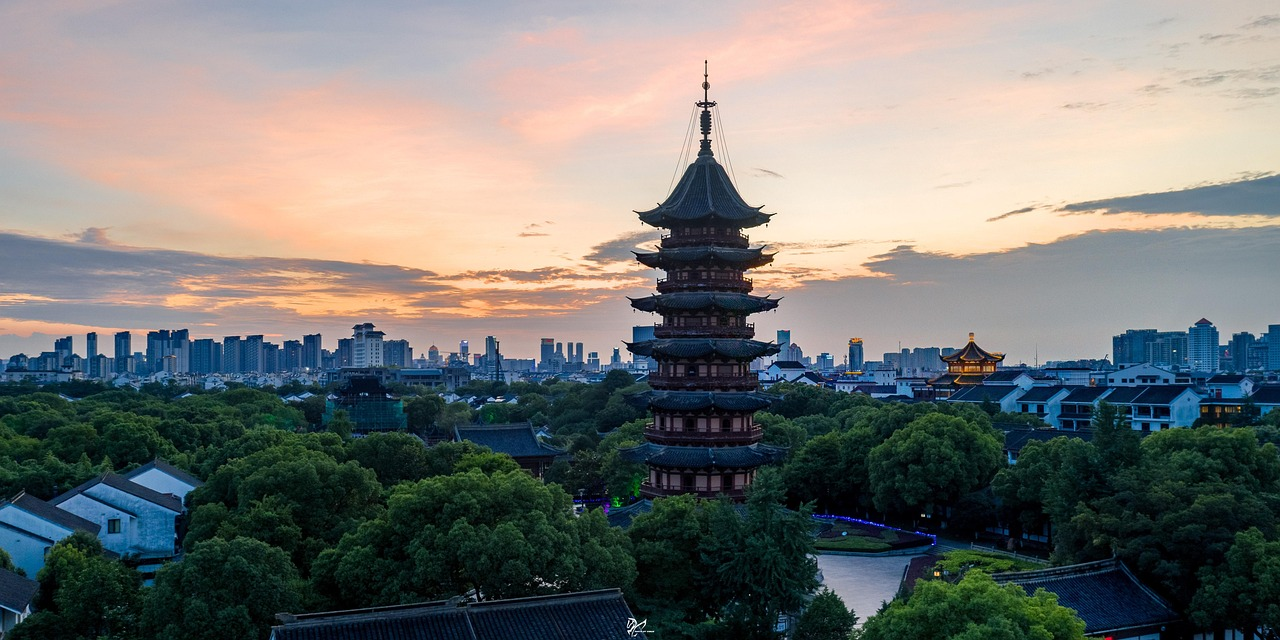
Nestled in southeastern Jiangsu, on the shores of Taihu Lake and within the Yangtze River Delta, Suzhou is China’s most renowned water town of Jiangnan, the cradle of Wu culture, and a treasure trove of world cultural heritage. Boasting convenient transportation, it is linked to the national high-speed rail network via Suzhou Railway Station and Suzhou North Railway Station, while Sunan Shuofang International Airport offers direct flights to major cities. Crisscrossed by canals and rivers, the city invites exploration on foot, by bike, or aboard a wooden gondola—each mode of travel allowing visitors to touch the authentic texture of Jiangnan’s water town scenery. Spring and autumn are the most magical seasons: from March to April, crabapple and peach blossoms bloom in Zhuozheng Garden and Tiger Hill, casting the city in a fragrant, misty glow; from September to November, clear skies and cool breezes frame red maples against white walls and dark tiles, turning every walk through ancient streets into a poetic journey, ideal for experiencing Suzhou’s water town charm.
Top Attractions
- Zhuozheng Garden: Topped among China’s Four Great Classical Gardens, it exemplifies the landscape art of “seeming natural despite human craftsmanship.” Pavilions, terraces, and corridors hug the water’s edge, with winding paths weaving through lotus ponds, rockeries, and lush greenery. Admire peonies in spring, lotus in summer, osmanthus in autumn, and snow in winter—every corner is a moving Jiangnan painting, embodying the ancient scholars’ philosophy of poetic living.
- Zhouzhuang: Hailed as “China’s No.1 Water Town,” it preserves time-honored stone bridges straddling gurgling streams, bluestone roads polished smooth by years of footsteps, and Ming-Qing dwellings lining the riverbanks. Wooden gondolas glide slowly with the creak of oars, their lantern light dancing on the water. As evening falls, curling cooking smoke adds to the tranquility, transporting visitors to a timeless Jiangnan of yore.
- Pingjiang Road: A “living specimen” of Suzhou’s ancient city, retaining the most original water town lifestyle. White-walled, dark-tiled old houses line the street, while alleyways conceal time-honored pastry shops, Su embroidery workshops, and elegant cafes. Occasionally, the melodious tunes of Pingtan (Suzhou storytelling and ballad-singing) drift by, blending the warmth of daily life with scholarly refinement seamlessly.
- Hanshan Temple: World-famous for the line from a Tang poem: “Outside Gusu City stands Hanshan Temple; its bell tolls at midnight, reaching the traveler’s boat.” Nestled between mountains and water, the ancient temple features yellow walls and dark tiles wreathed in incense. Ancient bells and stone inscriptions bear witness to millennia of history, and the resonant bell chimes at dawn or dusk exude the serene Zen vibe of a Jiangnan water town temple.

Food Guide
Suzhou cuisine (Subei cuisine) is celebrated for its “freshness, elegance, and balanced flavors,” adhering to the principle of “eating with the seasons” and emphasizing natural tastes with a subtle sweetness. Squirrel Mandarin Fish is its iconic dish: the fish is scored, deep-fried until golden, and coated in a sweet-savory sauce. Crisp on the outside and tender on the inside, its shape resembles a squirrel, and each bite bursts with juicy, sweet-savory delight. Braised Eel Paste showcases masterful cooking: tender eel shreds are 浇淋 with boiling hot oil, creating a sizzling sound that releases an irresistible aroma. Garnished with shredded ginger and green onions, it is rich, flavorful, and unforgettable.
Beyond banquet dishes, Suzhou’s snacks and tea pastries are the soul of Jiangnan water town life. Sweet Osmanthus Glutinous Rice Lotus Root is stuffed with glutinous rice and drizzled with homemade osmanthus honey—soft, fragrant, and not overly sweet. Crab Roe Soup Dumplings have paper-thin skins; sip the rich, savory broth first before savoring the plump crab meat filling, a taste of pure freshness. Delicate Suzhou pastries like Dingsheng Cake (victory cake), rice cake, and jujube paste sesame cake are moderately sweet and chewy. Paired with a cup of early-spring Biluochun tea, they make for a leisurely morning tea, embodying the elegant simplicity of Jiangnan water town life.

Cultural Identity
Suzhou’s cultural core lies in its “harmony between humans and water, respect for tradition and innovation.” As China’s iconic Jiangnan water town, it has nurtured unique cultural treasures: the melodious Kunqu Opera, the exquisite Su embroidery, and the soft Wu dialect of Pingtan, all reflecting the tenderness and depth of Jiangnan culture. From the founding of the Wu State in the Spring and Autumn Period to the flourishing of scholar gardens in the Ming and Qing dynasties; from the millennium-old silk weaving heritage to the modern boom of intelligent manufacturing and cultural creativity—Suzhou has always walked a path of balancing water town traditions with modern progress.
The “small bridges, flowing water, and family homes” scene mirrors the gentle and restrained character of Suzhou people. The charm of this water town lies not only in its picturesque canals and elegant gardens but also in the harmonious coexistence of slow-paced life and dynamic development. Here, every canal, bridge, and ancient alley tells a story of heritage, allowing visitors to immerse themselves in the unique elegance and warmth of China’s Jiangnan water town.

Travel Tips
- Best Time to Visit: Spring and autumn are optimal; avoid the hot, rainy summer (plum rain season) and cold, damp winter.
- Transportation: Buses and subways cover major urban attractions. For water towns like Zhouzhuang and Tongli, take tourist shuttles or ride-hailing services.
- Payment: Alipay and WeChat Pay are widely accepted; some traditional shops still support cash.
- Language: Mandarin is universally spoken. Elderly locals may use Wu dialect, but basic communication is trouble-free.
- Cuisine Note: Suzhou cuisine is slightly sweet; inform restaurants in advance if you prefer adjusted flavors.
- Souvenirs: Buy Su embroidery and Biluochun tea from reputable stores, where you can watch embroidery demonstrations or taste tea before purchasing.
Image sourced from the internet
Copyright Disclaimer for Images
Some images displayed on this website are sourced from the internet and are used for informational and reference purposes only.
We respect the intellectual property rights of all creators. The use of these images is not intended to infringe upon any owner’s copyright.
If you are the copyright holder of any image used on this site and believe it is being used without appropriate permission, please contact us. Upon verification of your ownership claim, we will promptly take the necessary action, which may include removing the image or providing proper attribution as per your request.
Please reach out to us at: [email protected]