
Located in the Huangshui River Valley in eastern Qinghai, surrounded by the remaining ranges of the Qilian Mountains, Xining serves as the eastern gateway to the Qinghai-Tibet Plateau. As the capital of Qinghai Province, it is also a key node on the southern route of the ancient Silk Road and the Tang-Tibet Ancient Road, well-deservedly known as “China’s Plateau Summer Capital.” The city is a major transportation hub for entering and exiting the Qinghai-Tibet region: Xining Caojiabao International Airport connects to major cities nationwide, while the Lanzhou-Xinjiang High-Speed Railway and Qinghai-Tibet Railway intersect here. Urban roads are wide and smooth, with convenient buses and taxis for travel. Its most notable climatic feature is the summer—from June to August, the average temperature is only around 20℃, cool and comfortable, making it an ideal destination for summer escapes. Spring and autumn are dry and windy, while winters are cold and long; visitors seeking plateau snow scenery and unique folk customs can also find a distinctive experience in winter.
Top Attractions
- Ta’er Monastery: One of the six major monasteries of the Gelugpa sect of Tibetan Buddhism and the birthplace of Master Tsongkhapa. The monastery is dotted with stupas and fluttering prayer flags, and its “Three Treasures”—butter sculpture, murals, and appliqué embroidery—boast exquisite craftsmanship. The golden roofs of the halls shine brightly in the sun, and the melodious sound of scriptures fills the air. The strong religious atmosphere and precious artistic treasures deeply immerse visitors in the solemnity and profoundness of Tibetan Buddhism.
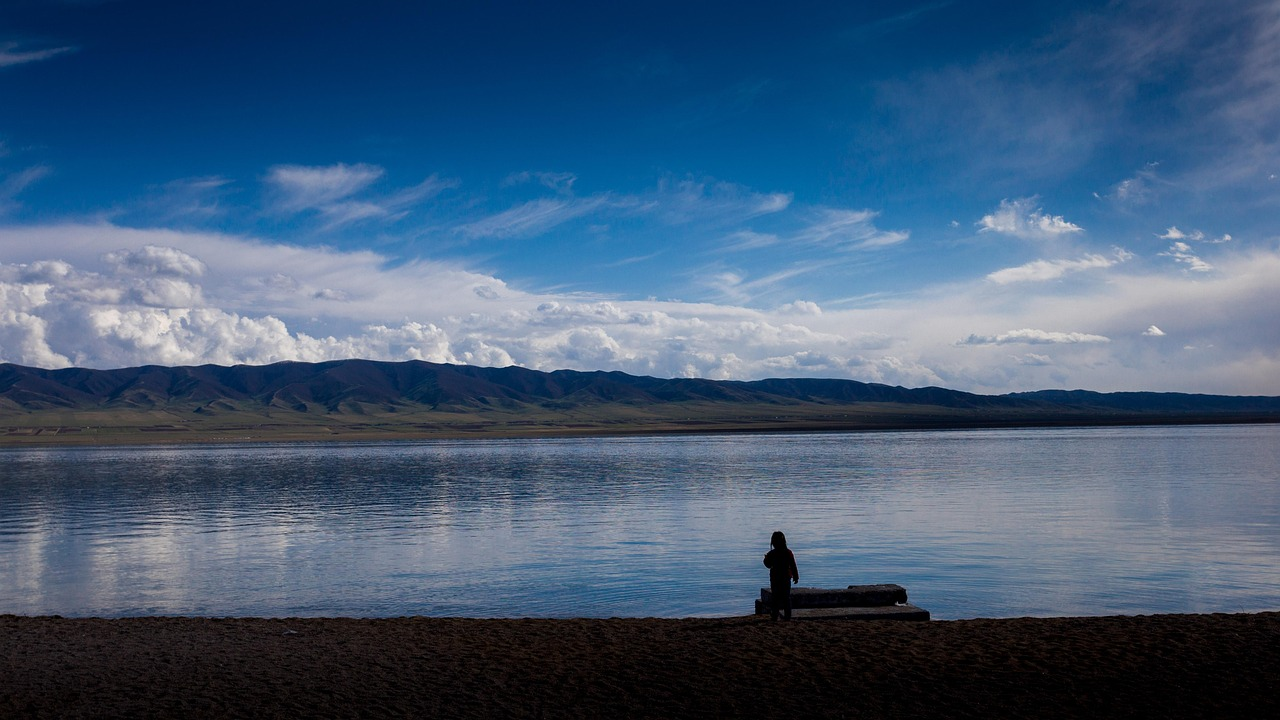
- Qinghai Lake: China’s largest inland lake and saltwater lake, approximately 150 kilometers from Xining. The vast grasslands along the lake stretch as far as the eye can see, and the lake water is as blue as a gem, reflecting the blue sky, white clouds, and distant snow-capped mountains. From July to August, rapeseed flower fields bloom in continuous stretches along the lake, with golden and blue creating a stunning contrast. Cycling around the lake, strolling along the shore, or watching the sunrise and sunset, visitors can encounter breathtaking plateau scenery that touches the soul.
- Dongguan Grand Mosque: A famous mosque in northwest China and a landmark building of ancient Xining. Its architecture integrates Han, Tibetan, and Islamic styles, with a magnificent prayer hall and towering minarets reaching for the sky. During religious festivals, believers gather in large numbers, creating a solemn scene. Wandering around the mosque, one can feel the unique blend of rich Islamic culture and daily life vitality.
- Riyue Mountain: Located in Huangyuan County of Xining, it is the geographical dividing line between the Qinghai-Tibet Plateau and the Loess Plateau, as well as a meeting point of ancient Han and Tibetan cultures. The ancient and elegant Riyue Pavilions on the mountain carry the legend of Princess Wencheng’s journey to Tibet. Standing atop the mountain, visitors can see vast plateau scenery on one side and open river valley landform on the other, with distinct landscapes showcasing the unique charm of a geographical transition zone.

Food Guide
Xining’s cuisine integrates the flavors of Han, Tibetan, Hui, and other ethnic groups, centered on beef, mutton, noodles, and specialty snacks, with rich, mellow tastes full of plateau characteristics. Hand-Grasped Lamb is Xining’s signature dish: high-quality lamb from plateau pastures is simmered in clear water until tender, without excessive seasonings, preserving the meat’s natural juiciness and freshness. Dipped in salt and pepper or garlic paste, each bite is filled with pure, savory flavor, embodying the authentic taste of plateau meat. Ga Mian Pian (hand-pulled noodle pieces) is a daily favorite among locals: hand-torn noodles are chewy and smooth, served either as soup noodles with beef/mutton broth, vegetables, and seasonings—warm and flavorful—or as stir-fried noodles with rich sauce, satisfying and filling.
Beyond main dishes and staples, Xining’s specialty snacks are equally tempting. Liang Pi (cold noodles) has a chewy texture, tossed with spicy and sour seasonings, garlic, and coriander—refreshing and appetizing. Tian Pei (fermented barley or oat) is a sweet snack with a tangy, wine-like aroma and soft texture, perfect for relieving summer heat and cravings. Highland Yak Yogurt is thick and creamy, with a sweet and sour taste, topped with a layer of golden milk skin. Its original flavor is unforgettable, and it tastes even better with sugar or honey.

Cultural Identity
Xining’s cultural essence lies in the tolerance and coexistence of multiple ethnic groups, as well as the tenacity and simplicity of plateau people. As a multi-ethnic settlement, Han, Tibetan, Hui, Salar, and other ethnic groups have lived here for generations. Different religious beliefs, folk cultures, and living habits blend harmoniously, forming a diverse and unified cultural atmosphere. From the commercial exchanges on the ancient Silk Road and cultural interactions on the Tang-Tibet Ancient Road, to the harmonious coexistence of Tibetan Buddhism and Islam, and the joint development of all ethnic groups in modern times, Xining has always guarded the plateau’s cultural roots with an open and inclusive attitude.
The continuous Qilian Mountains have endowed Xining people with perseverance, while the clear Huangshui River has nurtured their simplicity and warmth. The reputation of “China’s Plateau Summer Capital” stems not only from its cool climate and magnificent plateau scenery but also from the integration of multiple ethnic cultures and the slow-paced plateau lifestyle, allowing every visitor to experience spiritual peace and human warmth.

Travel Tips
- Best Time to Visit: Summer (June-August) is ideal for escaping the heat with cool weather; winter offers plateau snow scenery and folk activities.
- Transportation: Buses and taxis are convenient in the city. For trips to Qinghai Lake and Ta’er Monastery, choose tourist shuttles, chartered cars, or shared rides. Long-distance travel relies on high-speed rail and planes; plan ahead for trips to the Qinghai-Tibet region.
- Payment: Alipay and WeChat Pay are widely accepted in urban areas; cash is still the main payment method in some remote scenic spots and villages.
- Language: Mandarin is universally spoken. Tibetans use Tibetan, and most Hui people understand Mandarin—basic communication is hassle-free.
- Tips: Xining is located at an altitude of about 2,261 meters; avoid strenuous exercise upon arrival to prevent altitude sickness. Temperature differences between day and night are large—bring warm clothing regardless of summer or winter. The diet is heavy on beef, mutton, and noodles with a savory taste; prepare gastrointestinal medicine in advance if needed.

Image sourced from the internet
Copyright Disclaimer for Images
Some images displayed on this website are sourced from the internet and are used for informational and reference purposes only.
We respect the intellectual property rights of all creators. The use of these images is not intended to infringe upon any owner’s copyright.
If you are the copyright holder of any image used on this site and believe it is being used without appropriate permission, please contact us. Upon verification of your ownership claim, we will promptly take the necessary action, which may include removing the image or providing proper attribution as per your request.
Please reach out to us at: [email protected]