
Forget everything you think you know about Hunan—Changsha is a fiery, fun-loving city that wraps bold spice, thousand-year history, and cozy local life into one unforgettable trip. Picture this: you bite into a steaming bowl of rice noodles that lights up your taste buds with numbing spice, wander ancient streets where poets and scholars once roamed, stroll along the Xiang River as locals chat, laugh and play music, and climb a green hill overlooking a skyline that mixes old pagodas with modern towers. This is Changsha: not too big, not too touristy, full of genuine warmth, street food around every corner, and stories of ancient Chu culture waiting to be discovered. It’s a city that feels alive, unpretentious, and full of delicious surprises—one that will make you fall for the real soul of southern China.
Getting There & Getting Around
Arriving in Changsha
- By Air: Fly into Changsha Huanghua International Airport (CSX), well-connected to major domestic cities and several international Asian destinations. Airport shuttles, metro and taxis all run directly to the city center.
- By High-Speed Train: The most popular and efficient way to reach Changsha from nearby cities.
- From Guangzhou: ~2.5 hours
- From Shanghai: ~5 hours
- From Wuhan: ~1.5 hours
- From Zhangjiajie: ~2.5 hoursTickets can be booked on Trip.com, Ctrip, or at station ticket machines with English options.
Getting Around the City
- Metro & Bus: Metro Lines 1–6 cover most major attractions; buy single tickets or use mobile transit passes on Alipay. Buses reach every neighborhood and are cheap and reliable.
- Ride-Hailing: Didi (English-supported) is great for longer trips, late nights, or trips to farther spots like Orange Isle.
- Leisure Exploration: Walk or rent a bike to explore downtown streets, old lanes, and riverside paths—this is how you really feel Changsha’s relaxed rhythm.
- Day Trips: For Yuelu Mountain or nearby ancient towns, use direct buses, Didi, or small group tours for ease.
Must-Do & Must-See Attractions
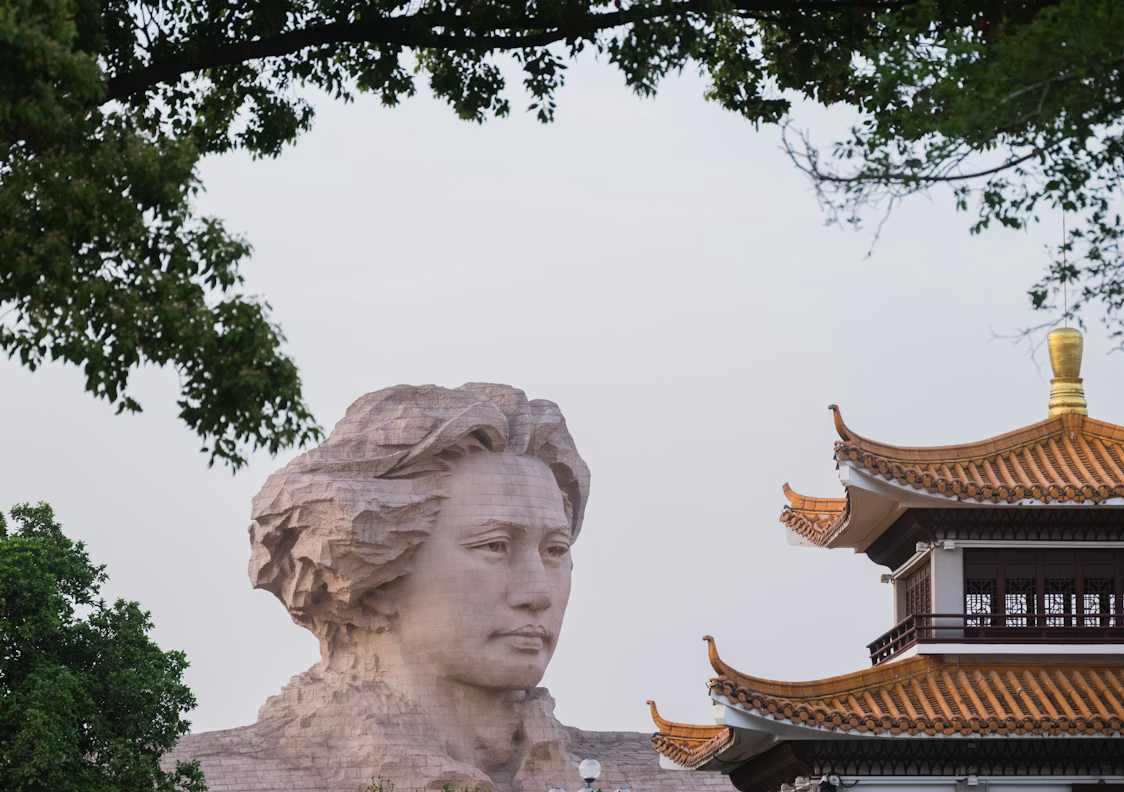
- Orange Isle (Juzizhou)A long, green island in the middle of the Xiang River, with walking paths, gardens, lakes and the iconic Chairman Mao statue. Rent a bike or take a sightseeing train to explore the whole island at a slow pace.Pro Tip: Visit at sunset for golden light over the river and city skyline—one of Changsha’s most beautiful views.
- Yuelu Mountain & Yuelu AcademyA peaceful mountain park home to ancient temples, pavilions, and the thousand-year-old Yuelu Academy, one of China’s most famous ancient academies. Hike gentle trails, enjoy fresh forest air, and look out over the entire city from viewing platforms.Pro Tip: Wear comfortable shoes; combine the academy, Aiwan Pavilion and mountain views in one half-day trip.
- Taiping Street & Furong Ancient StreetThe historic heart of old Changsha, lined with traditional architecture, small shops, souvenir stalls, and nonstop street food. Wander narrow lanes, visit old courtyards, and soak up the lively, local atmosphere day and night.Must-Do: Stop at small teahouses and snack shops to taste authentic Hunan street treats.
- Xiang River Riverside BeltA long, scenic walkway along the Xiang River, where locals exercise, sing, chat, fish and relax. Stroll day or night, watch the city lights reflect on the water, and feel Changsha’s laid-back daily life.Pro Tip: Evening visits are extra cozy with cool breezes and colorful bridge lights.
- Hunan MuseumOne of China’s top provincial museums, home to priceless relics from the Mawangdui Han Tombs, including well-preserved ancient textiles, lacquerware and cultural artifacts. Free entry and clear English displays make it perfect for understanding Hunan’s deep history.Pro Tip: Book free tickets online in advance to avoid waiting in line.
Local Food You Can’t Leave Without Trying
- Rice Noodles (Changsha Mixian): The city’s ultimate breakfast and anytime snack. Soft rice noodles in spicy, savory broth, topped with pork, beef, pickled vegetables and chili oil—spicy, fragrant and deeply comforting.
- Stinky Tofu (Chou Doufu): Changsha’s most famous street food. Crispy outside, tender inside, smothered in garlic, chili and sauce. An acquired taste, but a local icon you have to try.
- Spicy Crayfish (Xiaolongxia): A beloved night food favorite. Fresh crayfish stir-fried in numbing Sichuan peppercorn and chili sauce—messy, spicy, and perfect for sharing.
- Sugar Oil Cake (Tangyouba): A classic sweet snack, soft glutinous rice cake fried and coated in brown sugar syrup. Warm, chewy and a nice balance to all the spicy food.
- Hunan Home-Style Dishes: Spicy stir-fried pork, fish head with chopped chili, and dry-pot dishes—bold, aromatic, and full of the signature “fragrant spicy” Hunan flavor.

Travel Tips for Visitors
- Best Time to Visit: September–November (cool, clear autumn) or March–May (mild spring with flowers). Avoid summer (hot and humid) and mid-winter (damp and cold).
- Spice Warning: Hunan food is famously spicy. If you don’t eat heavy spice, tell the vendor or server “bu tai la” (not too spicy) – most places will adjust for you.
- Payment: WeChat Pay and Alipay are widely used. Carry small amounts of cash for tiny street stalls and old snack shops.
- Etiquette: Locals are friendly and outgoing. Ask before taking photos of street performers or elders. Speak softly in museums and ancient academies.
- Language: Mandarin is the main language; basic English is available in hotels and major attractions. Download a translation app for menus and casual chats.
- Emergency: Police: 110, Ambulance: 120, Fire: 119. Keep your hotel address written in Chinese for quick communication.
Ready to dive into spicy bites, ancient streets and the warm, laid-back vibe of Changsha? Save this guide, bring an empty stomach and a curious mind, and let this lively city surprise you.
Follow us for more real, local travel guides to China’s most underrated cities—no tourist traps, just authentic experiences.
Image sourced from the internet
Copyright Disclaimer for Images
Some images displayed on this website are sourced from the internet and are used for informational and reference purposes only.
We respect the intellectual property rights of all creators. The use of these images is not intended to infringe upon any owner’s copyright.
If you are the copyright holder of any image used on this site and believe it is being used without appropriate permission, please contact us. Upon verification of your ownership claim, we will promptly take the necessary action, which may include removing the image or providing proper attribution as per your request.
Please reach out to us at: [email protected]