
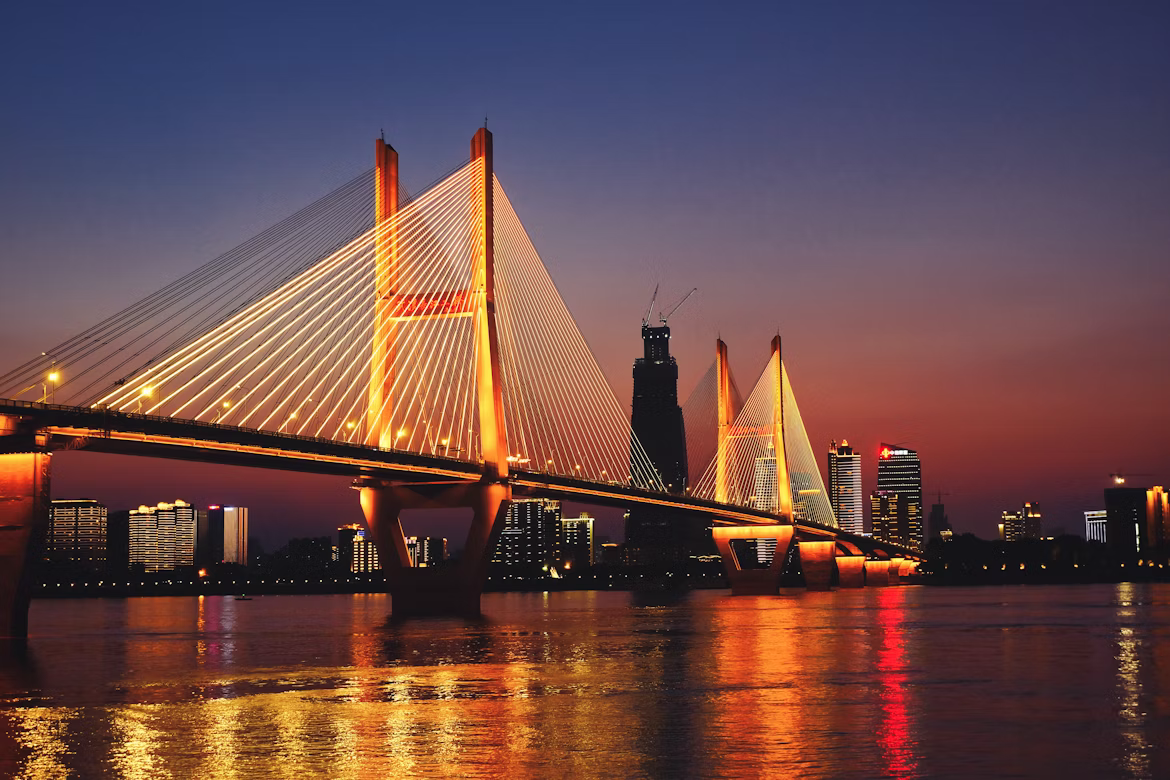

Forget just calling it a “transport hub”—Wuhan is a dynamic riverside gem where the Yangtze and Han rivers split the city into three historic towns (Wuchang, Hankou, Hanyang). It blends the grandeur of the Yellow Crane Tower, the serenity of East Lake’s world-class greenway, the profound Jingchu culture from ancient times, and the hearty, comforting tastes of local cuisine into an unforgettable journey. Imagine this: you slurp a bowl of fragrant hot dry noodles at a street stall at dawn, climb the Yellow Crane Tower to watch the Yangtze River roll eastward, cycle along the tree-lined East Lake Greenway under the warm sun, and wander the neon-lit Jianghan Road Pedestrian Street where Republican-era buildings meet modern shops. This is Wuhan: a city where millennium-old poems meet urban energy, where quiet lakeside walks contrast with bustling night markets, and every bite of local food tells the story of Hubei’s rich culinary heritage. Not overly crowded, full of down-to-earth warmth, it’s the perfect destination to discover the soul of central China’s riverside metropolis.
Getting There & Getting Around
Arriving in Wuhan
- By Air: Fly into Wuhan Tianhe International Airport (WUH), with direct flights to major Chinese cities and global hubs in Asia, Europe, and North America. Metro Line 2 connects the airport to the city center in about 45 minutes; airport shuttles and taxis are also available for flexible travel.
- By High-Speed Train: The top choice for traveling to Wuhan from nearby cities, with an extensive high-speed rail network.
- From Changsha: ~1 hour
- From Shanghai: ~4.5 hours
- From Guangzhou: ~4 hours
- From Beijing: ~5 hoursTickets can be booked on Ctrip/Trip.com or via station self-service kiosks with English interfaces—hassle-free for international travelers.
Getting Around the City
- Metro & Bus: Metro Lines 1–9 cover all core attractions (Yellow Crane Tower, Hubei Provincial Museum, East Lake, Jianghan Road). Signage is clear with English translations, and fares are affordable. WeChat Pay/Alipay transit cards work for both metro and buses, which reach every corner of the three towns.
- Ride-Hailing & Ferry: Didi Chuxing has an English interface, great for late-night trips or traveling with luggage. Don’t miss the Wuhan Guan Ferry—the cheap, local way to cross the Yangtze, offering stunning river views at a fraction of the price of tourist cruises.
- Leisure Cycling: Rent a bike to explore the East Lake Greenway (the world’s longest urban lake greenway) or Hankou River Beach. Slow down to soak in the city’s relaxed riverside vibe and spot authentic local life.
- Day Trips: For Qingchuan Pavilion, Guiyuan Temple, or Mulan Mountain Scenic Area, take direct tourist buses from the city center or book a small-group tour to avoid transfers.
Must-Do & Must-See Attractions
- Yellow Crane TowerWuhan’s iconic landmark and one of China’s Three Great Towers South of the Yangtze River, immortalized by ancient Chinese poetry. Climb to the top for panoramic views of the Yangtze River and the Wuhan Yangtze River Bridge. The Night Tour of the Yellow Crane Tower is a must—light shows and traditional performances bring the tower’s thousand-year history to life after dark.Pro Tip: Visit 1 hour before sunset for golden-hour views; book night tour tickets online in advance as they often sell out on weekends.
- Hubei Provincial MuseumOne of China’s top-tier museums, free entry but advance reservation required (closed Mondays). Don’t miss the Zeng Hou Yi Chime Bells (with daily live performances) and the Sword of Gou Jian—two national treasures that showcase the splendor of ancient Jingchu culture. The museum’s English audio guides and displays make it easy for international visitors to understand the exhibits.Pro Tip: Arrive early to avoid crowds; the 10:30 am chime bell performance is highly recommended and worth the extra ticket fee.
- East Lake GreenwayChina’s largest urban lake scenic area and Wuhan’s “city lung”. Rent a bike to cycle the 100+ km greenway, stop at Lingbo Gate for a sunrise that looks like it’s over the sea, or relax in the Tingtao Scenic Area. In spring, cherry blossoms line the paths, making it a romantic spot for photos.Pro Tip: Avoid weekends if you prefer a quiet ride; rent an electric bike if you don’t want to get tired from long distances.
- Jianghan Road Pedestrian Street & Hankou River BeachJianghan Road is lined with elegant Republican-era buildings, a mix of old department stores, cafes, and local snack stalls. At night, the neon lights turn the street into a lively pedestrian paradise. Walk to Hankou River Beach afterward to watch the Yangtze River’s night view and the stunning riverside light show.Pro Tip: Skip the overpriced tourist snacks on the main pedestrian street; head to nearby Jiqing Street for authentic local treats.
- Wuhan Yangtze River BridgeChina’s first major Yangtze River bridge, connecting Wuchang and Hankou. Walk across the bridge during the day to feel the river breeze and admire the city skyline, or visit at night when the bridge is lit up—an iconic Wuhan photo spot.Pro Tip: Take the elevator to the bridge deck instead of climbing all the stairs; stay safe and don’t lean over the railings.

Local Food You Can’t Leave Without Trying
- Hot Dry Noodles (Re Gan Mian)Wuhan’s signature breakfast—chewy noodles tossed in sesame paste, topped with scallions, pickles, and chili oil (adjustable). It’s savory, fragrant, and filling, available at every street stall and local restaurant.
- Beancurd Skin Roll (Dou Pi)A classic Wuhan snack—crispy bean curd skin filled with rice, mushrooms, and meat, pan-fried until golden. It’s a popular breakfast option and pairs well with a bowl of soybean milk.
- Spare Rib & Lotus Root SoupA comforting Hubei specialty—tender pork ribs and fresh lotus roots slow-cooked in a clay pot. The soup is rich, creamy, and full of natural sweetness, perfect for cold days.
- Wuchang FishMade famous by Mao Zedong’s poem, this freshwater fish is steamed with ginger, scallions, and soy sauce, keeping the meat tender and flavorful. It’s a must-try at authentic Jingchu restaurants.
- Crayfish (Xiao Long Xia)Wuhan’s beloved summer street food—spicy, garlicky, or steamed crayfish, served with cold beer. Wansongyuan Night Market is the best place to try this local favorite.
Travel Tips for Visitors
- Best Time to Visit: March–May (mild spring, cherry blossoms at East Lake and Wuhan University) or September–November (crisp autumn, perfect for cycling and river walks). Avoid the hot, humid summer (June–August) and cold, damp winter.
- Cuisine Tip: Wuhan food is savory and moderately spicy. If you don’t eat spicy food, simply say “less spicy” or “no chili”—all local stalls and restaurants will happily adjust the seasoning.
- Payment: WeChat Pay and Alipay are accepted everywhere. Ask your hotel staff to help link your overseas bank card. Carry a small amount of cash (¥10/20/50 notes) only for tiny street food stalls that don’t accept mobile payments.
- Etiquette: Ask permission before taking photos of locals in old streets; keep your voice down in museums and cultural venues. When taking the ferry, don’t block the view for others.
- Language: Mandarin is the main language. Basic English is available at major attractions, hotels, and tourist centers. Download Google Translate for menu reading and casual conversations—it’s a lifesaver for street food adventures.
- Emergency Contacts: Police: 110, Ambulance: 120, Fire: 119. Ask the hotel front desk to write down your hotel’s address in Chinese to show to taxi drivers or use in emergencies.
Ready to immerse yourself in Wuhan’s Yangtze grandeur, Yellow Crane legacy, and hearty Jingchu flavors? Save this guide, bring an empty stomach and an open mind, and let this riverside metropolis surprise you with its unique charm.
Follow us for more insider guides to China’s underrated cities—no tourist traps, just authentic local experiences.
Image sourced from the internet
Copyright Disclaimer for Images
Some images displayed on this website are sourced from the internet and are used for informational and reference purposes only.
We respect the intellectual property rights of all creators. The use of these images is not intended to infringe upon any owner’s copyright.
If you are the copyright holder of any image used on this site and believe it is being used without appropriate permission, please contact us. Upon verification of your ownership claim, we will promptly take the necessary action, which may include removing the image or providing proper attribution as per your request.
Please reach out to us at: [email protected]