

Don’t just know it as Guizhou’s capital — Guiyang is a cool summer resort in southwest China, where lush karst mountains stretch endlessly, clear karst caves hide stunning landscapes, diverse ethnic cultures thrive, and authentic Guizhou flavors fill every corner. This is a city of comfort and surprise: the average temperature in summer is only 23°C, making it known as the “Summer Capital of China”; ancient villages nestle among green mountains, and the sound of ethnic songs lingers in the air. Unlike bustling cities, Guiyang moves at a relaxed pace, inviting you to slow down, breathe in the fresh mountain air, and experience the unique blend of karst scenery, ethnic customs and Guizhou’s warm hospitality.
Picture this: you wander through the otherworldly karst peaks of Tianhe Pool, admire the magnificent waterfalls of Huangguoshu (a short drive away), taste spicy and sour Guizhou hot pot with local ingredients, and immerse yourself in the colorful customs of Miao and Dong villages. This is Guiyang: cool, vibrant, warm and inclusive, a city where every step reveals a new surprise of nature and culture.
Getting There & Getting Around
Arriving in Guiyang
- By Air: Fly into Guiyang Longdongbao International Airport (KWE), a major air hub in southwest China with direct flights to major Chinese cities and international destinations in Asia, Europe, and Southeast Asia. The airport has a foreigner one-stop service center, multi-language (English, Thai, Vietnamese, etc.) customer service, and self-service foreign currency exchange machines. Metro Line 2 connects the airport to the city center in about 40 minutes; airport shuttles and taxis are also available, with clear English signage. International visitors can use the “Immigration Bureau 12367” APP for multi-language entry consultation, and self-service customs clearance machines support English operation.
- By High-Speed Train: A convenient way to reach Guiyang, with an extensive high-speed rail network linking to nearby cities and regions. Guiyang has two major high-speed rail stations: Guiyang North Station (main station for long-distance high-speed trains) and Guiyang Station (downtown, close to the city center). Tickets can be booked on Ctrip/Trip.com or station self-service kiosks with English interfaces. All metro stations support VISA, Master Card and other international bank cards for ticket purchase, and WeChat Pay/Alipay transit cards are easy to bind for foreign visitors.
- From Kunming: ~2 hours
- From Guangzhou: ~4 hours
- From Chengdu: ~3.5 hours
- From Beijing: ~8 hours
Getting Around the City
- Metro & Bus: Metro Lines 1–3 cover all core attractions (Tianhe Pool, Qianling Mountain Park, Jiaxiu Tower, Guizhou Provincial Museum). All main roads and scenic spots have Chinese-English bilingual signs, and tourist buses (No. 21, 48, 203) connect major scenic spots, with English announcements on key routes. The “Guiyang Travel” mini-program has a foreigner service area, supporting 7 languages and providing ticket booking, scenic spot navigation and other services.
- Ride-Hailing & Taxis: Didi Chuxing has an English version, suitable for short trips and late-night outings. Most taxis in Guiyang are equipped with multi-language translation stickers, and drivers can use simple English to communicate. Taxis use meters, and it’s recommended to confirm the meter is on before departure.
- Walking & Cycling: The city center is suitable for walking; Qianling Mountain Park and nearby old streets are best explored on foot. Shared bikes and electric bikes are available all over the city, ideal for a leisurely tour around the city’s green spaces.
- Day Trips: For Huangguoshu Waterfall (UNESCO World Heritage Site), Libo小七孔 (Xiaoqikong Scenic Area), or Miao/Dong ethnic villages (such as Xijiang Qianhu Miao Village), book a small-group tour or take a direct coach/high-speed train. Huangguoshu Waterfall is about 1.5 hours by coach from Guiyang, making it an ideal day trip to experience Guizhou’s natural wonders.
Can’t-Miss Experiences & Attractions
- Tianhe Pool Scenic Area A stunning karst scenic spot known as “Little Guilin of Guiyang,” featuring clear pools,奇特 karst peaks, and hidden caves. You can take a boat tour through the underground cave, admire the crystal-clear water reflecting the mountains, and enjoy the peaceful natural environment. It’s a perfect place to experience Guizhou’s karst landscape up close. Pro Tip: Visit in the morning to avoid crowds; wear comfortable shoes as there is a lot of walking. The best time to visit is after rain, when the pools are more clear and the mountains are more lush.
- Qianling Mountain Park A large urban park in Guiyang, known as the “back garden of the city.” The park features lush forests, winding mountain paths, and a large lake. It’s a favorite place for locals to exercise, and you can also see macaques roaming freely in the mountain. The park’s pagoda offers a panoramic view of Guiyang city. Pro Tip: Visit in the morning to breathe in the fresh mountain air; don’t feed the macaques to avoid being scratched. The park is free to visit, and nearby streets have many local snack stalls.
- Jiaxiu Tower An iconic landmark of Guiyang, built in the Ming Dynasty. The tower stands by the Nanming River, with exquisite architecture blending traditional Chinese styles. It’s a symbol of Guiyang’s culture and history, and the night view of the tower with lights is particularly beautiful. Pro Tip: Visit in the evening to enjoy the night view; the tower is illuminated after 7 PM. The area around the tower has a pedestrian street with local handicraft shops and tea houses.
- Guizhou Provincial Museum A modern museum showcasing the history, culture, and natural resources of Guizhou. It has a large collection of cultural relics from ethnic minorities, karst specimens, and ancient artifacts. The museum has English explanations and audio guides, making it easy for international visitors to understand. Pro Tip: Book a visit in advance via the official website (English interface available); spend 2–3 hours to fully explore the museum. The museum is free to visit, and there is a café on-site for rest.
- Xijiang Qianhu Miao Village (Day Trip) One of the largest Miao villages in China, with thousands of Miao-style stilted buildings built along the mountain. You can wear Miao costumes, watch Miao dance performances, taste Miao snacks, and experience the unique Miao culture. The night view of the village with thousands of lights is breathtaking. Pro Tip: Book a one-day tour from Guiyang for convenience; stay overnight if you want to fully experience the village’s night atmosphere. Rent a Miao costume (¥30–50 per hour) for photos.
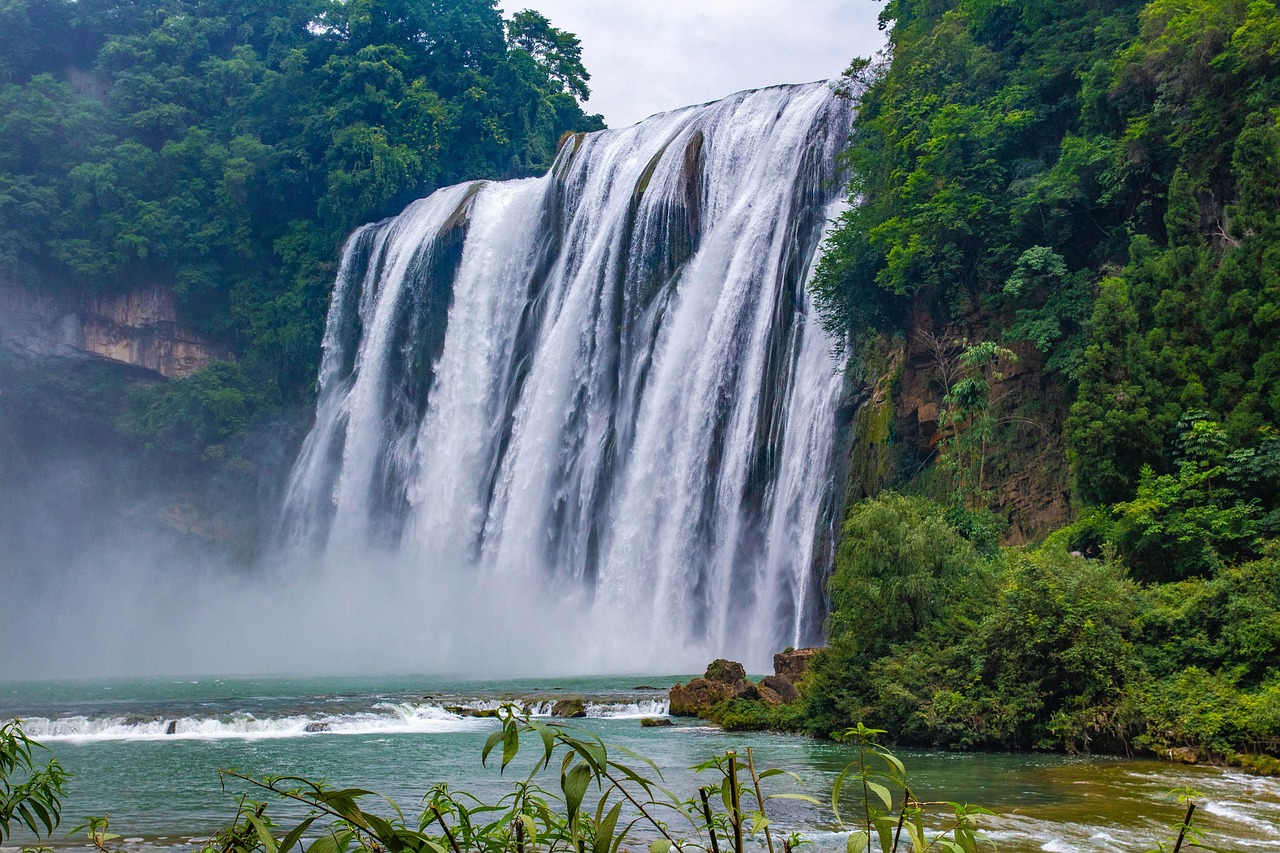
- Huangguoshu Waterfall Scenic Area (Day Trip) One of China’s most famous waterfalls, a UNESCO World Heritage Site. The scenic area includes the main Huangguoshu Waterfall, Tianxingqiao Scenic Area, and Doupotang Waterfall. The main waterfall is 77.8 meters high and 101 meters wide, with a magnificent momentum. Pro Tip: Arrive early to avoid crowds; wear a raincoat as you will get wet when approaching the waterfall. Take the scenic area shuttle bus to save time between attractions.

Local Flavors You Can’t Miss
- Guizhou Hot Pot (Qian Hot Pot): Guiyang’s signature dish — spicy and sour broth, with fresh local ingredients such as beef tripe, bamboo shoots, and preserved vegetables. The unique sour taste comes from fermented glutinous rice, making it delicious and appetizing.
- Qian noodles (Qian Mian): A classic Guiyang breakfast — chewy noodles served with spicy and sour sauce, minced meat, pickled vegetables, and peanuts. It’s cheap and delicious, a favorite among locals.
- Braised Fish with Sour Soup (Suan Tang Yu): A traditional Guizhou dish — fresh fish cooked in a sour soup made of tomatoes and pickled vegetables, with tender fish and a sour and spicy taste. It’s a must-try for spicy food lovers.
- Spicy Tofu Pudding (La Dou Fu Nao): A popular street snack — soft tofu pudding topped with spicy sauce, pickled vegetables, and peanuts. It’s spicy and flavorful, perfect for a quick snack.
- Miao Glutinous Rice Cake (Miao Nuo Mi Gao): A traditional Miao snack — glutinous rice mashed into a cake, filled with sweet or savory fillings, steamed or fried. It’s chewy and delicious, a great way to experience Miao food culture.
- Guizhou Maojian Tea: A famous green tea from Guizhou, with a fresh fragrance and mellow taste. You can visit a local teahouse to taste freshly brewed Maojian tea and learn about Guizhou’s tea culture.
Travel Tips
- Best Time to Visit: June–August (summer) — the weather is cool and comfortable, making it the perfect summer resort; March–May (spring) andSeptember–November (autumn) — the weather is mild, with blooming flowers and clear skies. Guiyang has a subtropical humid monsoon climate, with cool summers and mild winters (December–February).
- Climate Note: Guiyang has frequent rain, so be sure to bring an umbrella or raincoat. The temperature difference between day and night is large, so prepare a thin coat even in summer. The ultraviolet radiation is moderate, but it’s still recommended to bring sunscreen.
- Payment & Shopping: WeChat Pay and Alipay are widely accepted; foreign visitors can ask hotel staff to help link overseas bank cards. Guiyang has many local specialty stores selling Maojian tea, Miao silverware, and Guizhou spicy sauce. The “Guiyang Duty-Free Shop” offers multi-language services and tax refund for foreign visitors.
- Etiquette: Respect the customs of ethnic minorities (Miao, Dong, etc.) — when visiting ethnic villages, ask permission before taking photos of locals or their houses. Don’t touch ethnic costumes or handicrafts without permission. When eating, follow local table manners.
- Language & Service: Mandarin is the main language, and local dialects (Guizhou dialect) are also widely used. English is available in major hotels, attractions, and tourist centers. Guiyang’s tourist service centers offer multi-language consultation, translation, and ticket booking services. Bilingual travel guides are available at airports and stations.
- Emergency Contacts: Police: 110, Ambulance: 120, Fire: 119. Ask the hotel front desk to write down your hotel’s address in Chinese to show to taxi drivers or use in emergencies. The “Immigration Bureau 12367” hotline provides multi-language consultation services.
Ready to wander the cool streets of Guiyang, explore the magnificent karst wonders, and savor the authentic Guizhou flavors? Save this guide, bring a curious mind and an empty stomach, and let this summer resort city surprise you with its unique charm.
Follow us for more insider guides to China’s underrated cities — no tourist traps, just authentic local experiences.
Image sourced from the internet
Copyright Disclaimer for Images
Some images displayed on this website are sourced from the internet and are used for informational and reference purposes only.
We respect the intellectual property rights of all creators. The use of these images is not intended to infringe upon any owner’s copyright.
If you are the copyright holder of any image used on this site and believe it is being used without appropriate permission, please contact us. Upon verification of your ownership claim, we will promptly take the necessary action, which may include removing the image or providing proper attribution as per your request.
Please reach out to us at: [email protected]