
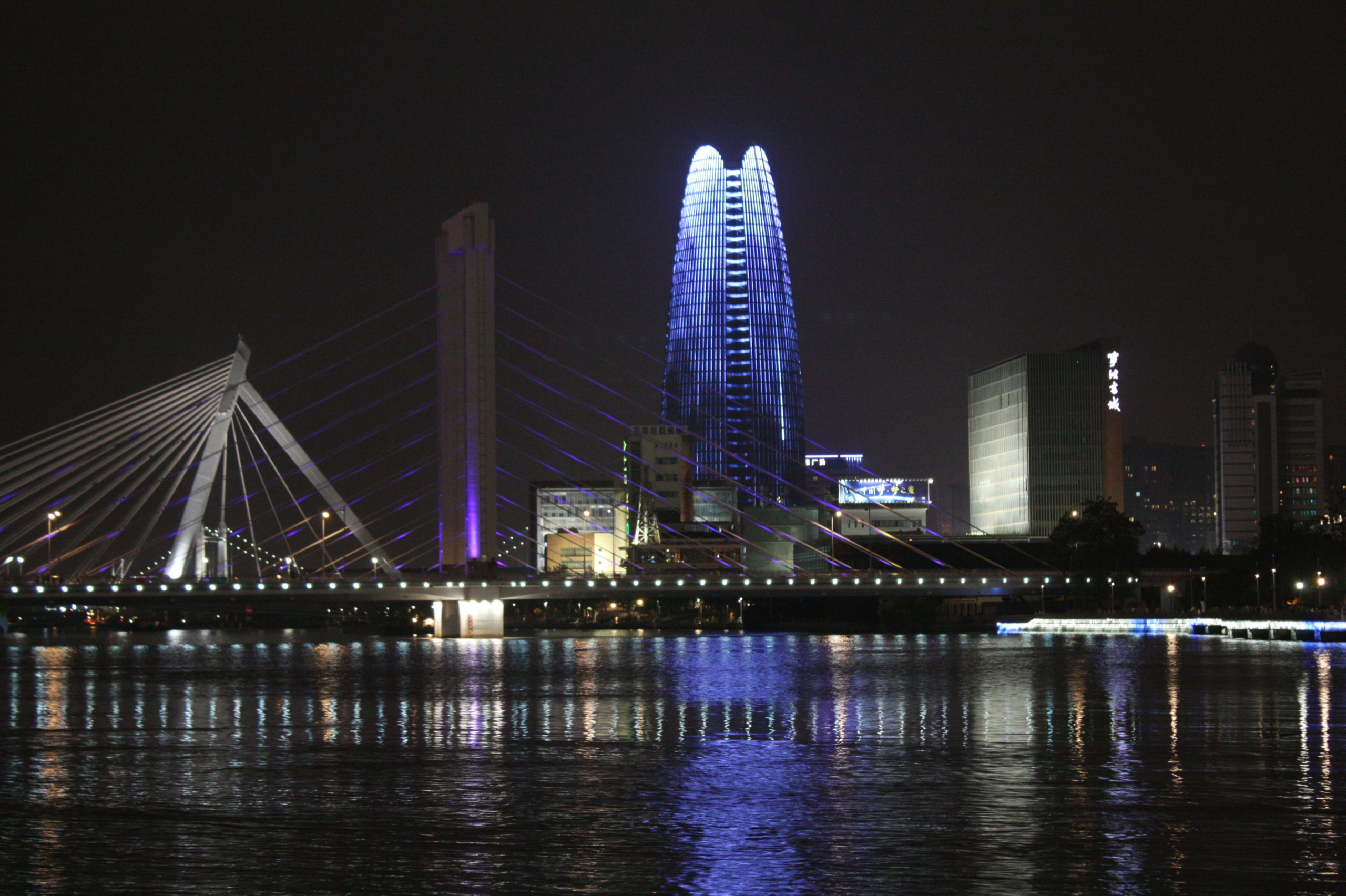
Don’t just think of it as a coastal industrial hub — Ningbo is a 7,000-year-old cultural gem and the legendary starting point of the Maritime Silk Road in eastern China. Here, ancient private libraries coexist with modern world-class ports, misty mountains cradle age-old villages, and the sea gifts fresh, delicate seafood that defines Zhejiang’s coastal cuisine. This is a city of contrasts and harmony: the average temperature in spring and autumn hovers around 18–22°C, making it incredibly pleasant; the fragrance of books lingers in Tianyi Pavilion, while the sound of waves echoes along Songlan Mountain coast. Unlike the bustling metropolises, Ningbo moves at a gentle pace, inviting you to slow down, trace the footsteps of ancient merchants, and taste the authentic flavors of the East China Sea.
Picture this: you explore the world’s oldest private library Tianyi Pavilion, pay homage at Xuedou Mountain (the Maitreya Dharma Center), cycle around the vast Dongqian Lake, taste sweet osmanthus glutinous rice cakes and fresh seafood hot pot, and wander the stone-paved streets of Shipu Fishing Port Ancient Town. This is Ningbo: cultural, vibrant, serene and inclusive, a city where every corner blends the profound heritage of the Maritime Silk Road and the refreshing beauty of coastal nature.
Getting There & Getting Around
Arriving in Ningbo
- By Air: Fly into Ningbo Lishe International Airport (NGB), a key aviation hub in the Yangtze River Delta with direct flights to major Chinese cities and international destinations across Asia, Europe, and Oceania. The airport features a foreigner one-stop service counter, multi-language (English, Japanese, Korean, etc.) customer support, and self-service foreign currency exchange machines. Metro Line 2 connects the airport to the city center in about 30 minutes; airport shuttles and taxis are readily available, with clear English signage throughout. International visitors can use the “12367 Immigration Service” app for multilingual entry consultations, and self-service customs clearance kiosks support English operations.
- By High-Speed Train: An extremely convenient way to reach Ningbo, with an extensive high-speed rail network linking to nearby cities and regions. Ningbo has two major railway stations: Ningbo Railway Station (downtown, close to key attractions) and Ningbo East Railway Station (main hub for high-speed trains). Tickets can be booked via Ctrip/Trip.com or station self-service machines with English interfaces. All metro stations accept VISA, MasterCard, and other international bank cards for ticket purchases, and foreign visitors can easily bind WeChat Pay/Alipay transit cards for seamless travel.
- From Shanghai: ~1.5 hours
- From Hangzhou: ~1 hour
- From Suzhou: ~2 hours
- From Guangzhou: ~6 hours
Getting Around the City
- Metro & Bus: Metro Lines 1, 2, 3, 4 cover all core tourist areas (Tianyi Pavilion, Laowaitan, Ningbo Museum, Dongqian Lake). All major roads and scenic spots have Chinese-English bilingual signs, and tourist buses (Route 906, 912, etc.) connect major attractions with English announcements on key routes. The “Ningbo Tourism” mini-program has a foreign visitor section, supporting 6 languages and offering ticket booking and scenic spot navigation services.
- Ride-Hailing & Taxis: Didi Chuxing has an English version, ideal for short trips and evening outings. Most taxis in Ningbo are equipped with multilingual translation stickers, and drivers can communicate in basic English. Taxis use meters strictly; always confirm the meter is turned on before departure.
- Walking & Cycling: The old town, Laowaitan, and Nantang Old Street are perfect for walking. Shared bikes and e-bikes are widely available across the city, especially great for cycling around Dongqian Lake and enjoying the lakeside scenery.
- Day Trips: For Xuedou Mountain, Shipu Fishing Port Ancient Town, and Hemudu Ruins, you can book a small-group tour or take a direct coach from Ningbo. Xuedou Mountain is about 40 minutes by car from downtown, while Hemudu Ruins is a 1-hour drive away, both making excellent day trip options.
Can’t-Miss Experiences & Attractions

- Tianyi Pavilion & Moon Lake Scenic Area The oldest surviving private library in Asia, founded in the Ming Dynasty by book collector Fan Qin. The elegant traditional Chinese architecture, serene gardens, and ancient book collections are a treasure trove of Chinese cultural heritage. Moon Lake next to it is a classic Jiangnan water town landscape, with willows by the lake and historic mansions scattered around. Pro Tip: Visit in the morning to avoid crowds; book the English audio guide in advance via the official platform. Don’t miss the ancient book restoration demonstration and the cultural and creative shops with Tianyi Pavilion-themed souvenirs.
- Xikou Xuedou Mountain Scenic Area A national 5A-level scenic spot, home to the famous Xuedou Temple (the Maitreya Dharma Center) and the former residences of the Chiang family. You can admire the magnificent Qianzhangyan Waterfall, take the “Happy Express” train to Xufuyan Waterfall, and enjoy the fresh mountain air in the lush forests. Pro Tip: Arrive early to avoid peak-hour crowds; wear comfortable hiking shoes. The vegetarian food at Xuedou Temple is highly recommended for a light and healthy meal.
- Dongqian Lake Known as “Ningbo’s West Lake”, it is four times the size of Hangzhou West Lake. It’s a perfect place for cycling around the lake, boating, and enjoying the peaceful lakeside scenery. The Xiaoputuo Scenic Area on the lake and Hanling Old Street nearby add cultural charm to the natural beauty. Pro Tip: Rent a bicycle at the lakefront to cycle the 40-kilometer loop; visit at sunset for a stunning golden view over the water. Try the “Four Treasures of Dongqian Lake” at the lakeside restaurants.
- Ningbo Museum Designed by the world-renowned architect Wang Shu, the museum’s unique exterior combines local bamboo and tile elements. It showcases the history of the Maritime Silk Road, the culture of the Ningbo Gang merchants, and precious cultural relics from the Hemudu site. English guided tours and audio guides are available. Pro Tip: Book online in advance (English interface available); allocate 2–3 hours for a full visit. The museum is free, and there is a cozy café on the first floor for rest.
- Laowaitan (Old Bund) Older than Shanghai’s Bund by 20 years, it retains a large number of European-style buildings from the late 19th century. In the evening, the area comes alive with bars, restaurants, and street performers, making it an ideal spot for a night walk and photography. Pro Tip: Visit in the evening to enjoy the lights reflecting on the Yong River. Try the local seafood tapas in the riverside restaurants.
- Shipu Fishing Port Ancient Town (Day Trip) A well-preserved coastal ancient town with a history of over 600 years, once an important port on the Maritime Silk Road. You can wander the stone streets, visit the ancient city walls and fishing villages, watch the lively seafood market auctions, and experience the authentic coastal life. Pro Tip: Take a day tour from Ningbo; try the fresh seafood noodles at the town’s food stalls. Don’t miss the traditional fishermen’s folk performances on weekends.
Local Flavors You Can’t Miss
- Ningbo Seafood Hot Pot: Made with ultra-fresh seafood straight from the East China Sea, such as swimming crabs, shrimps, clams, and sea bass. The light, savory broth highlights the natural sweetness of the ingredients, often paired with local rice cakes and greens.
- Gangya Gou Glutinous Rice Balls: A Ningbo classic dessert, with soft glutinous rice wrappers and sweet fillings like black sesame or osmanthus. It’s a must-try at breakfast or as a snack, especially popular during the Lantern Festival.
- Rock Sugar Soft-Shelled Turtle: A signature dish of Ningbo’s high-end cuisine, with tender turtle meat braised in rock sugar and soy sauce, presenting a perfect balance of savory and sweet flavors. It’s a traditional delicacy for festivals and banquets.
- Cicheng Rice Cakes: A famous local specialty, made with glutinous rice and steamed, then hand-pounded. It can be stir-fried with vegetables and meat, or boiled in soup, with a chewy texture and mild rice flavor. You can even try pounding rice cakes yourself at the Cicheng Rice Cake Workshop.
- Four Treasures of Dongqian Lake: A collection of four fresh lake delicacies — silver fish, white shrimp, mandarin fish, and crucian carp. They are usually cooked simply by steaming or boiling to preserve their original taste, representing the essence of Ningbo’s light and fresh coastal cuisine.
- Ningbo Osmanthus Cake: A seasonal dessert made with osmanthus flowers in autumn, with a sweet, fragrant flavor and a soft texture. It’s a perfect match with a cup of Chinese tea, ideal for afternoon tea.
Travel Tips
- Best Time to Visit: March–May (Spring) and September–November (Autumn) are the most pleasant seasons, with mild temperatures and clear skies. Spring brings blooming flowers around Tianyi Pavilion and Dongqian Lake, while autumn offers fresh seafood and sweet osmanthus fragrances. Summer (June–August) is warm and suitable for coastal activities, and winter is mild but cooler.
- Climate Note: Ningbo has abundant rainfall, especially during the plum rain season in June. Always carry an umbrella or raincoat. The temperature difference between day and night is moderate, but it’s still advisable to bring a light jacket for the evenings.
- Payment & Shopping: WeChat Pay and Alipay are widely accepted in shops and restaurants. Foreign visitors can ask hotel staff to help link their overseas bank cards. Recommended souvenirs include Ningbo’s osmanthus cakes, Cicheng rice cakes, and handcrafted bamboo products. The duty-free shops in the airport offer multilingual services and tax refunds for international tourists.
- Etiquette: Respect local traditions and customs. When visiting temples such as Xuedou Temple, dress modestly and avoid making loud noises. Ask for permission before taking photos of local residents, especially in fishing villages and ancient towns. Do not litter when visiting natural scenic areas.
- Language & Service: Mandarin is the main language, and the local Ningbo dialect is also common. English is available at major hotels, scenic spots, and tourist centers. Ningbo’s tourist service centers provide multilingual consultation, translation, and ticket-booking services. Bilingual tourist maps can be obtained for free at the airport and railway stations.
- Emergency Contacts: Police: 110, Ambulance: 120, Fire: 119. Ask your hotel front desk to write down your hotel’s address in Chinese characters to show to taxi drivers or use in case of an emergency. The 12367 Immigration Service hotline provides round-the-clock multilingual assistance.
Ready to wander the ancient streets of Ningbo, trace the glorious history of the Maritime Silk Road, cycle around the vast Dongqian Lake, and savor the fresh and delicate seafood? Save this guide, bring your curiosity and an empty stomach, and let this coastal cultural city surprise you with its unique blend of tradition and modernity.
Follow us for more insider guides to China’s underrated cities — no tourist traps, just authentic local experiences.
Image sourced from the internet
Copyright Disclaimer for Images
Some images displayed on this website are sourced from the internet and are used for informational and reference purposes only.
We respect the intellectual property rights of all creators. The use of these images is not intended to infringe upon any owner’s copyright.
If you are the copyright holder of any image used on this site and believe it is being used without appropriate permission, please contact us. Upon verification of your ownership claim, we will promptly take the necessary action, which may include removing the image or providing proper attribution as per your request.
Please reach out to us at: [email protected]