
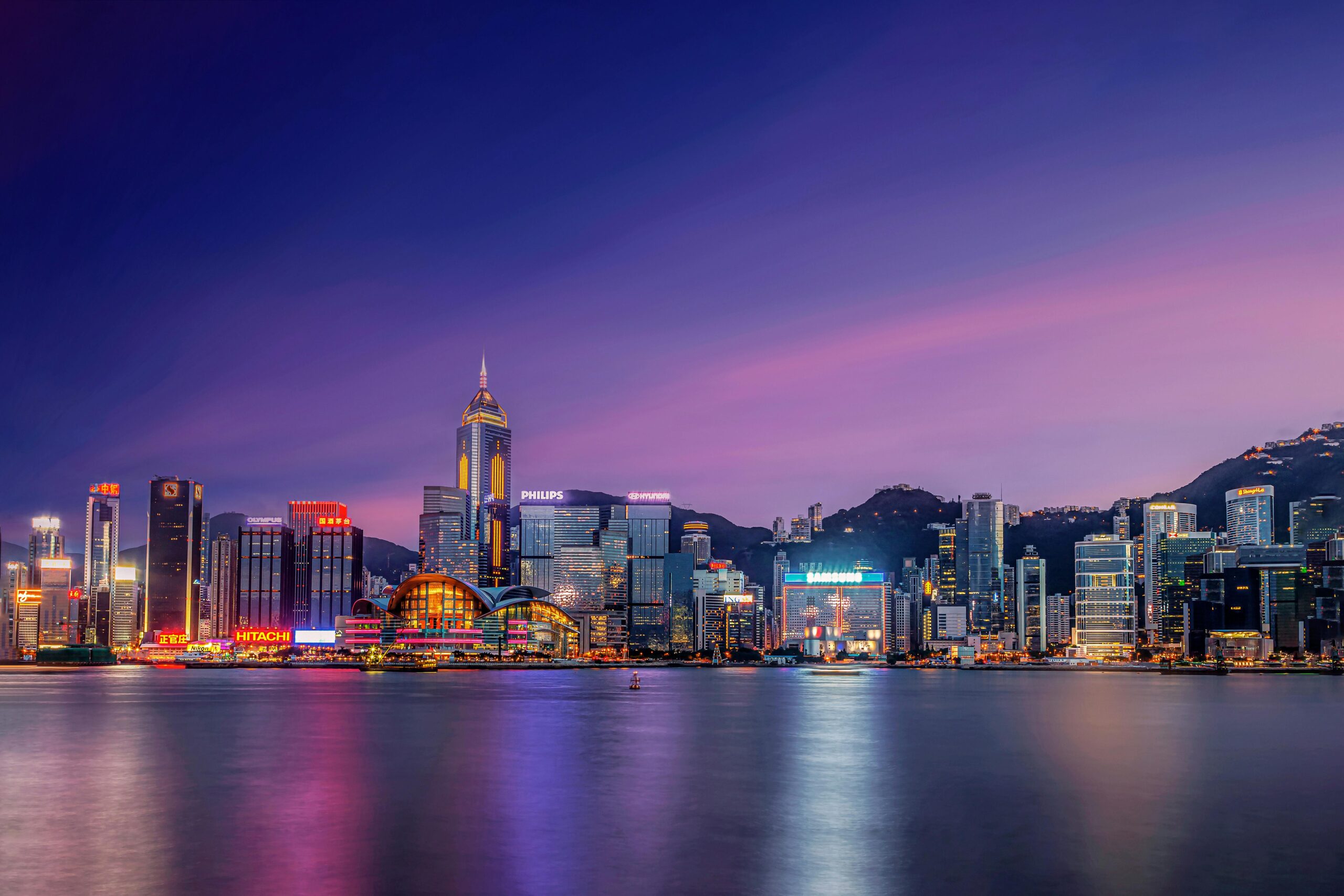
Don’t just see it as a bustling financial hub—Hong Kong is a vibrant fusion of glamorous skyscrapers, ancient temples, bustling street markets, and lush mountain trails. This is a city of contrasts: neon-lit streets sit beside quiet temples, Michelin-starred restaurants neighbor humble street stalls, and dense urban areas give way to green hills and clear waters. With average temperatures of 18–25°C in spring and autumn, it’s perfect for exploring. The skyline glows at night, the aroma of dim sum fills the air, and the energy of the city is contagious. Unlike other metropolises, Hong Kong moves at a fast yet friendly pace, inviting you to dive into its unique blend of cultures, flavors, and experiences.
Picture this: you ride the Peak Tram to the top of Victoria Peak for a panoramic view of the skyline, take the iconic Star Ferry across Victoria Harbour for just HK$3, wander through the neon streets of Mong Kok, savor authentic dim sum at a century-old teahouse, hike the Dragon’s Back trail with stunning coastal views, and end the day with a cocktail in Lan Kwai Fong. This is Hong Kong: dynamic, diverse, delicious, and unforgettable—a city where every moment is an adventure.
Getting There & Getting Around
Arriving in Hong Kong
- By AirFly into Hong Kong International Airport (HKG), one of the world’s best airports, with direct flights to major cities worldwide. The airport offers 24/7 multilingual services (English, Mandarin, Japanese, etc.), foreign currency exchange, and free Wi-Fi.
- Airport Express: Fastest way to the city center (24 mins to Central), with free shuttle buses to major hotels.
- Buses & Taxis: Airport buses connect to all districts; red taxis serve the urban area (metered, with surcharges for luggage/ferry trips).
- International Entry: Most nationalities enjoy visa-free entry for 7–180 days (check the Hong Kong Immigration Department website). Complete the Health Declaration via the WeChat mini-program
- By High-Speed TrainTake the high-speed train to Hong Kong West Kowloon Station, directly connected to mainland China’s high-speed rail network.
- From Guangzhou: ~48 mins
- From Shenzhen: ~14 mins
- From Shanghai: ~8 hours
- From Beijing: ~10 hoursThe station has English signage and services, and you can complete immigration and customs checks in one place. Tickets are available via Ctrip/Trip.com or station machines.
Getting Around the City
- MTR (Mass Transit Railway)The backbone of Hong Kong’s transport, covering all major attractions (Central, Tsim Sha Tsui, Mong Kok, Disneyland, Ocean Park). English signage and announcements are available everywhere. Buy an Octopus Card (refundable deposit) for seamless travel on MTR, buses, ferries, and convenience stores; or use Alipay/WeChat Pay for direct payment.
- Star FerryA must-do experience—cross Victoria Harbour between Central and Tsim Sha Tsui for just HK$3. Enjoy stunning views of the skyline and “A Symphony of Lights” at night. It’s the most affordable and scenic way to cross the harbor.
- Trams (Ding Ding)Iconic double-decker trams on Hong Kong Island, perfect for slow exploration of Central, Wan Chai, and Causeway Bay. Cheap (HK$2.6 flat fare) and great for photos.
- Buses & MinibusesExtensive network covering areas the MTR doesn’t reach. Green minibuses are faster but have fixed routes; red minibuses are more flexible. Most have English route maps.
- TaxisRed taxis (urban), green (New Territories), blue (Lantau Island). Metered, but more expensive—best for short trips or late nights. Always confirm the meter is on.
- Ferries to Outlying IslandsTake ferries from Central Pier to Lantau Island (Big Buddha), Cheung Chau, Lamma Island, etc. A great way to escape the city and enjoy nature.
Can’t-Miss Experiences & Attractions

- Victoria Peak & The Peak TramRide the historic Peak Tram (book online in advance to skip queues) to the top of Victoria Peak for a 360° panoramic view of Hong Kong’s skyline and Victoria Harbour. Visit Sky Terrace 428 for the best photo spots, and explore the Peak Tower with shops and restaurants.Pro Tip: Visit at sunset for golden-hour views, then stay for the night skyline. Wear comfortable shoes for the short walk around the peak.
- Victoria Harbour & “A Symphony of Lights”Stroll along the Tsim Sha Tsui Promenade or Central Waterfront to admire the iconic skyline. Don’t miss “A Symphony of Lights”—a free multimedia light and sound show at 8:00 PM nightly, synchronized across 40+ buildings.Pro Tip: Watch from the Star Ferry or Tsim Sha Tsui Promenade for the best views. Arrive 15 mins early to secure a spot.
- Hong Kong DisneylandA magical theme park with 7 themed lands, including the popular World of Frozen and Marvel Avengers Campus. Enjoy parades, fireworks, and classic Disney rides. Book tickets online for discounts, and use the official app to check wait times.Pro Tip: Arrive early (7:30 AM for Early Entry) to beat crowds. Stay for the evening fireworks show—truly spectacular.
- Ocean ParkA unique combination of theme park, aquarium, and zoo. See giant pandas, dolphins, and sea lions; ride thrilling roller coasters; and enjoy ocean shows. Great for families and thrill-seekers alike.Pro Tip: Allocate a full day. Take the cable car for stunning sea views between the two sections of the park.
- Mong Kok & Temple Street Night MarketMong Kok is Hong Kong’s most vibrant district—explore Ladies’ Market, Sneaker Street, and Goldfish Street for shopping and local life. At night, head to Temple Street Night Market for street food, fortune-tellers, and cheap bargains.Pro Tip: Bargain at the markets—start at half the asking price. Try street food like curry fish balls and stinky tofu.
- Central & Lan Kwai FongCentral is Hong Kong’s business heart, with skyscrapers and luxury shopping. Visit Tai Kwun (a heritage art and culture center) and the Mid-Levels Escalator (the world’s longest outdoor covered escalator). In the evening, Lan Kwai Fong comes alive with bars, clubs, and international cuisine.Pro Tip: Walk the Mid-Levels Escalator during the day to explore quirky shops and cafes. Lan Kwai Fong is busiest on Friday and Saturday nights.
- Big Buddha & Po Lin Monastery (Lantau Island)Take the MTR to Tung Chung, then the Ngong Ping 360 cable car (25 mins) to see the Tian Tan Buddha (the world’s largest outdoor seated bronze Buddha) and Po Lin Monastery. Hike the nearby trails for stunning views.Pro Tip: Book the Ngong Ping 360 cable car online for discounts. Try the vegetarian meal at Po Lin Monastery.
- Outlying Islands Day Trips
- Cheung Chau: A charming fishing island with narrow streets, seafood restaurants, and the Cheung Chau Bun Festival (May).
- Lamma Island: A laid-back island with hiking trails, beaches, and fresh seafood—great for a relaxing day trip.
Local Flavors You Can’t Miss

- Dim SumThe heart of Hong Kong cuisine—steamed dumplings, buns, and rolls. Try har gow (shrimp dumplings), siu mai (pork dumplings), char siu bao (barbecue pork buns), and egg tarts. Popular spots: Tim Ho Wan (Michelin-starred dim sum), Lin Heung Tea House (historic teahouse).
- Hong Kong-Style Milk Tea & Pineapple BunA classic combo—silky milk tea (strong tea with evaporated milk) and a buttery pineapple bun (crispy top, soft inside). Try at Lan Fong Yuen (the birthplace of Hong Kong milk tea).
- Street Food
- Curry Fish Balls: Chewy fish balls in spicy curry sauce.
- Egg Waffles: Crispy, sweet waffles—perfect snack.
- Wan Chai-style Wanton Noodles: Springy noodles with plump shrimp wantons.
- Siu Mei (Roast Meats): Roast goose, char siu (barbecue pork), and crispy pork—order a “siu mei rice” for a filling meal.
- SeafoodFresh seafood from the South China Sea—try steamed shrimp, grilled lobster, and clam soup. Head to Lei Yue Mun or Lamma Island for seafood restaurants with harbor views.
- Desserts
- Mango Pomelo Sago: Refreshing mango, pomelo, and sago dessert.
- Tofu Fa: Silky soft tofu pudding with syrup.
- Walnut Paste: Warm, creamy walnut paste—perfect for cold nights.Popular spots: Hui Lau Shan, Mango Mango, Kaka Dessert.

Travel Tips
- Best Time to Visit
- October–December (Autumn): Cool, dry, and sunny—ideal for hiking and outdoor activities.
- March–May (Spring): Mild temperatures, blooming flowers—great for city exploration.
- June–September (Summer): Hot and humid, with occasional typhoons—best for beach days and indoor attractions.
- January–February (Winter): Cool, dry, and less crowded—perfect for shopping and dining.
- Currency & Payment
- Currency: Hong Kong Dollar (HK$). Exchange at airports, banks, or licensed money changers.
- Payment: Most shops, restaurants, and hotels accept Alipay, WeChat Pay, and major credit cards (Visa, Mastercard). Carry HK$500–1000 cash for street markets, taxis, and small eateries.
- Language
- Official Languages: English and Traditional Chinese (bilingual signage everywhere).
- Spoken Languages: Cantonese (local), Mandarin (widely understood), and English (fluent in tourist areas). No language barrier for travelers.
- Practical Essentials
- Power: 220V, 50Hz, UK 3-pin plugs—bring a universal adapter.
- Clothing: Lightweight, breathable clothes; a light jacket for air-conditioned spaces (malls, MTR, restaurants). Comfortable walking shoes are a must.
- Network: Buy a local SIM card at the airport or use international roaming (Alipay offers affordable data packages).
- Etiquette: Queue politely (Hong Kongers value queuing), keep noise levels down in public, and dispose of trash properly. Tipping is not mandatory but appreciated for good service (10% at restaurants is common).
- SafetyHong Kong is one of the safest cities in the world with low crime rates. Emergency numbers: Police (999), Ambulance (999), Fire (999). Most hotels have 24/7 security and multilingual staff.
Ready to explore Hong Kong’s iconic skyline, savor world-class dim sum, wander vibrant street markets, and hike scenic trails? Save this guide, pack your curiosity and appetite, and let this incredible city surprise you with its endless charm and energy.
Follow us for more insider guides to Asia’s most exciting destinations—no tourist traps, just authentic experiences.
Image sourced from the internet
Copyright Disclaimer for Images
Some images displayed on this website are sourced from the internet and are used for informational and reference purposes only.
We respect the intellectual property rights of all creators. The use of these images is not intended to infringe upon any owner’s copyright.
If you are the copyright holder of any image used on this site and believe it is being used without appropriate permission, please contact us. Upon verification of your ownership claim, we will promptly take the necessary action, which may include removing the image or providing proper attribution as per your request.
Please reach out to us at: [email protected]