
Daily Life: The Living Culture You Can See
Many foreigners first know China from movies, popular takeout food, or world-famous landmarks like the Great Wall, the Forbidden City, and the Terracotta Army. These symbols are amazing, but they only show a small part of what Chinese culture really is. Real Chinese culture is not just ancient stories, old buildings, or grand festivals locked in history books. It is a living, breathing, everyday culture that exists in small, warm moments happening all around you. You can see it when strangers greet each other with friendly smiles on the street, when families share dishes happily at a dinner table, when a local helps you carry heavy luggage without asking for anything in return, or when groups of people gather in parks to exercise, chat, and enjoy free time together. It is gentle, friendly, and full of real humanity.
At the heart of this culture are three simple but powerful values: harmony, respect, and community. Harmony means people try to get along well with each other and live peacefully with nature. Instead of conflict, most Chinese people prefer understanding and balance in relationships. Respect means being polite to elders, thoughtful to teachers, and warm to guests. From giving up seats on buses to using modest words in conversation, respect shows in tiny daily behaviors. Community means people care about the people around them. Neighbors often share food, shop owners treat customers like friends, and groups support each other in difficult times. These values are not empty ideas—they shape how people speak, act, work, and spend their free time. As soon as you walk into a local market, a neighborhood park, or a small family restaurant, you will feel this friendly and welcoming atmosphere.
In modern Chinese cities, old traditions and modern life mix together in a beautiful way. You might see elderly men writing calligraphy with water on the ground while young people stand nearby listening to music or watching short videos on their phones. Families use high-speed smartphones to order food and book trips, but they still keep traditional customs during important festivals. Streets are busy with cars, subways, and tall buildings, but people still maintain gentle habits: queuing politely, offering seats to elders or pregnant women, and speaking in calm, soft tones in public. This special balance makes Chinese culture lively and attractive—it deeply keeps its historical roots while moving forward with modern times. Visitors are often surprised by how comfortable and relaxed life feels in China, even in the busiest cities.

Historical Roots: Ideas That Shaped a Nation
To understand Chinese culture, you do not need long, boring history lessons or difficult academic theories. Two simple and practical philosophies have shaped daily life for more than 2,000 years: Confucianism and Daoism. These are not strict religions; they are like quiet guidelines that influence how people treat family, friends, work, and life itself.
Confucianism places the highest value on family, social order, and personal virtue. It teaches people to respect elders, care for family members, keep promises, and behave politely in public. These ideas helped build a stable and organized society for centuries. Many habits you see today come from Confucian values: adult children taking care of aging parents, people being modest instead of showing off, and everyone trying to keep good relationships with others. Even young people who live far away from home still keep these habits in their hearts.
Daoism teaches people to live naturally, stay calm, and avoid too much stress or strictness. It encourages balance, peace, and a relaxed attitude toward life. Daoism does not push people to rush for success or fight against nature; instead, it tells them to go with the flow and enjoy simple pleasures. This is why many Chinese people love slow, peaceful activities: drinking tea quietly, gardening, practicing tai chi or qigong, and spending time in mountains or lakes. These activities help people relax their minds and stay close to nature.
Over hundreds of years, these two philosophies mixed with local folk customs, regional lifestyles, and historical changes. They created the gentle, practical, and warm culture you see today. Chinese culture is not rigid or old-fashioned; it is flexible, people-centered, and always developing with time.

How to Experience It: Simple Ways for Travelers
The best and most enjoyable way to understand Chinese culture is to join real daily life, not just visit crowded tourist places. Travelers who take time to walk in local neighborhoods often have the most unforgettable memories.
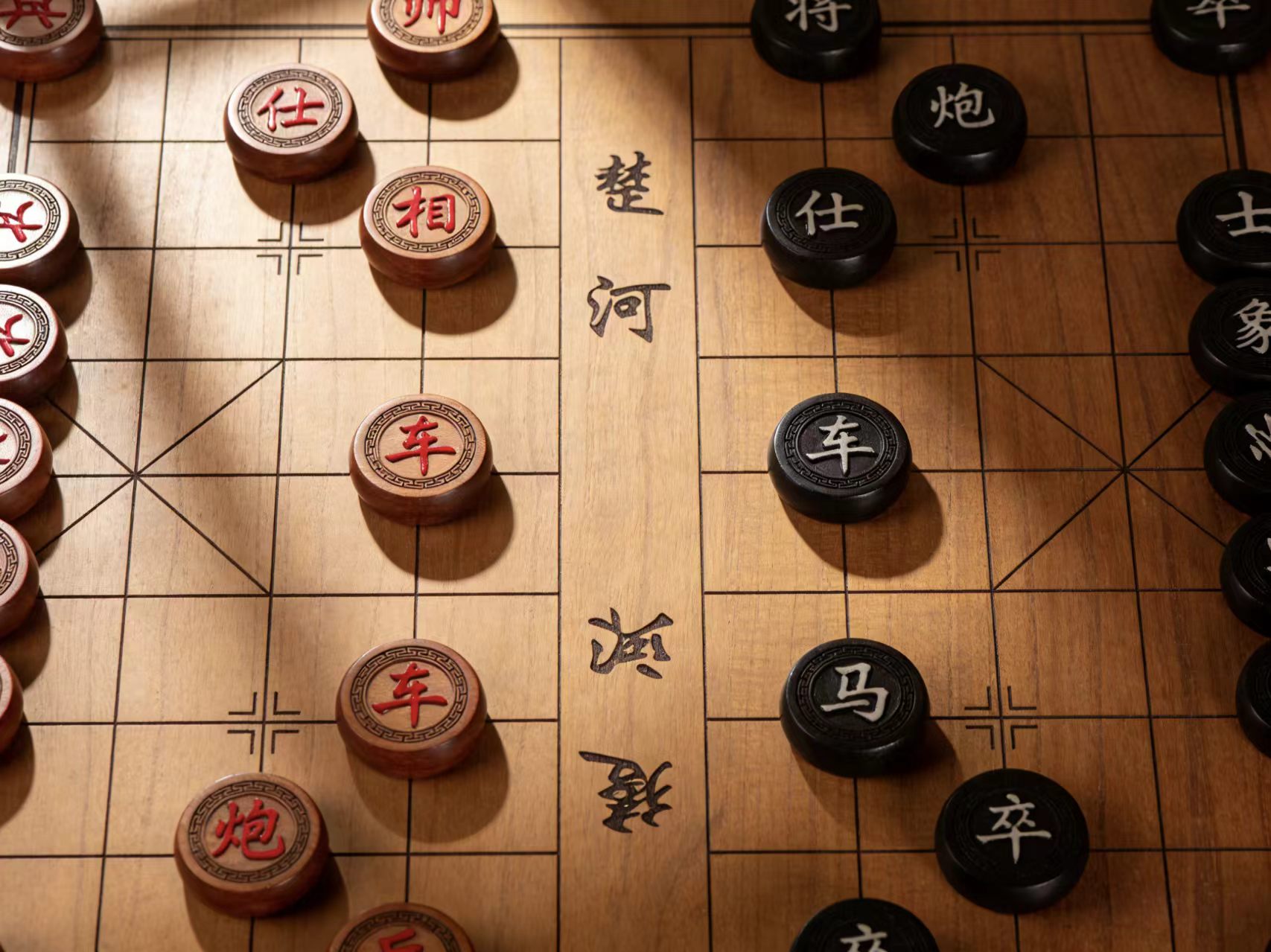
Wake up early in the morning and walk into a city park. You will see thousands of locals enjoying their day: some practice slow tai chi movements, some dance in groups, some sing traditional songs, some play chess or cards, and others just walk and breathe fresh air. Most of them are friendly and welcoming to foreigners. You can stand and watch quietly, smile and greet them, or even ask if you can join briefly. They will be happy to share their relaxing time with you.
Visit a local morning or street market instead of only large shopping malls. Local markets are full of color, sound, and smell: fresh vegetables, fruits, snacks, handmade goods, and small daily items. Vendors are kind and warm; many will let you try small snacks for free. Even if you cannot speak much Chinese, smiles and simple greetings work perfectly. You will feel strong “street life” energy that makes you truly understand local life.
Eat at small family-run restaurants. In China, food is the most important bridge between people. Sharing dishes, using chopsticks, and talking over a warm meal are key parts of social culture. You do not need to worry about strict rules or making mistakes. Just be relaxed, polite, and willing to try new foods. Many restaurant owners will happily talk with you about their dishes and local life if you show interest.
Many foreign travelers worry about acting impolitely or breaking cultural rules. But in reality, Chinese people are very kind, tolerant, and understanding to visitors. They appreciate your curiosity and friendliness more than perfect manners. As long as you show respect, keep an open mind, and enjoy the moment, you will be welcomed warmly everywhere you go.
