
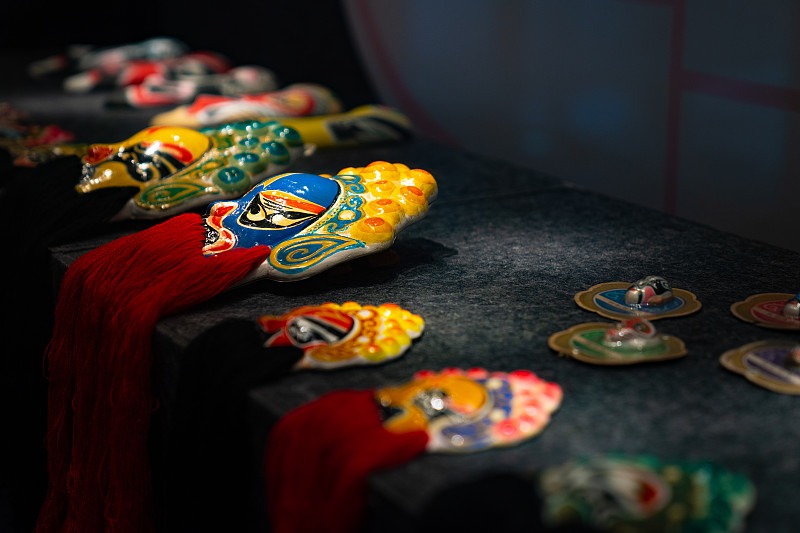
When you first start exploring Chinese culture, you may come across the term Intangible Cultural Heritage.
It is not ancient artifacts displayed in museums. Instead, it refers to living cultural traditions and crafts passed down from generation to generation in daily life — a kind of living culture that you can truly see and experience.
According to the definition of Chinese laws and UNESCO, China’s intangible cultural heritage mainly includes the following categories:
- Oral traditions: Myths, legends, epics and folk tales
- Performing arts: Opera, music, dance, folk art and acrobatics
- Folk customs and festivals: Traditional festivals, rituals, temple fairs and folk activities
- Traditional craftsmanship: Tea making, silk art, porcelain, paper cutting, lacquerware and traditional architecture
- Traditional knowledge: Traditional Chinese medicine, calendars, solar terms, health preservation and folk wisdom


These heritages have no fixed physical form, yet they are deeply rooted in Chinese daily life.Spring Festival customs, Kunqu Opera tunes, rice paper making, tea ceremonies and acupuncture skills are all typical examples of China’s intangible cultural heritage.

Today, dozens of Chinese intangible cultural heritage items have been inscribed on the UNESCO World Heritage List, ranking among the top in the world. They protect the cultural roots of the nation and show the world the richness and vitality of Eastern culture.
In short, China’s intangible cultural heritage is the living soul of Chinese civilization.