
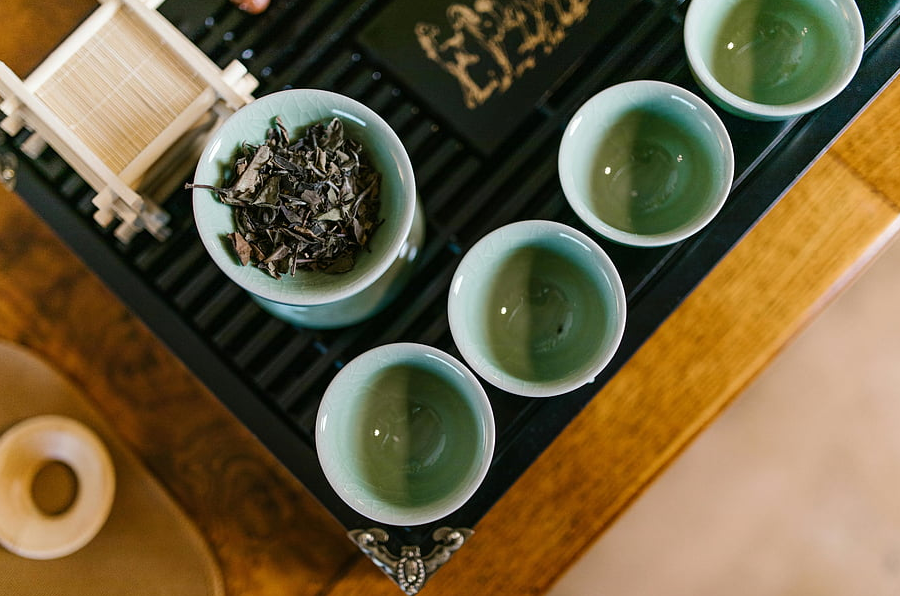
Why Is Tea Important in Chinese Culture?
In China, tea is more than just a drink—it’s a way of life. It connects people, carries traditions, and helps people relax. For thousands of years, Chinese people have drunk tea when gathering with friends, celebrating festivals, or even working. Tea also plays a role in Chinese philosophy and etiquette, showing respect, peace, and harmony. You don’t need to remember complex rules; just enjoy the taste and the moment.

Basic Types of Chinese Tea
There are many kinds of Chinese tea, but four main types are perfect for beginners. They are different in color, taste, and making method—all simple to tell apart.
1. Green Tea
Green tea is the most popular type for beginners. It is light green in color and has a fresh, clean taste. The tea leaves are not fermented (no special processing), so they keep more natural nutrients. Famous examples: Longjing (Dragon Well) and Biluochun. It’s best to drink it hot, without adding sugar or milk.
2. Black Tea
Black tea is dark red or brown, with a warm, sweet taste. It is fully fermented, so it is milder than green tea. It’s also the most popular Chinese tea in Western countries. Famous examples: Qimen Black Tea and Lapsang Souchong. You can drink it plain or add a little milk (like British afternoon tea).
3. Oolong Tea
Oolong tea is between green tea and black tea—it is half-fermented. It has a fragrant smell and a smooth taste, with a hint of sweetness. Famous examples: Tieguanyin (Iron Goddess of Mercy) and Da Hong Pao. It’s often made in a small teapot, which is a fun way to experience tea culture.
4. White Tea
White tea is the most gentle type. It is lightly processed, with a pale yellow color and a fresh, sweet taste. It’s low in caffeine and very refreshing. Famous example: Baihao Yinzhen (Silver Needle). It’s perfect for people who don’t like strong-tasting tea.

Simple Tea Etiquette for Beginners
Chinese tea etiquette is not strict for beginners—just a few small things to remember to show respect:
- When someone pours tea for you, tap the table with your index and middle fingers (two taps) to say “thank you”. This is a simple and polite gesture.
- Pour tea for others first, especially elders or guests. This shows kindness and respect.
- Don’t pour tea too full—fill the cup about 70% full. It’s a tradition that means “leave room for friendship”.
- Drink tea slowly, and taste it carefully. Don’t gulp it down—enjoy the flavor and the moment.
