
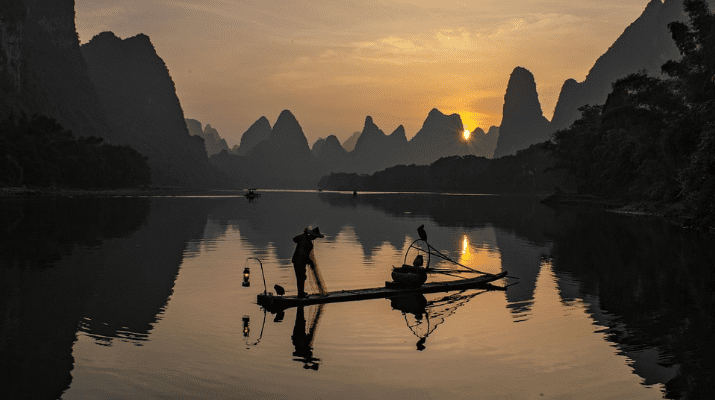
Most travelers first get to know Guilin for its world-famous karst mountain scenery. But the city holds far deeper cultural value than its natural landscapes suggest. Nestled in southern China, Guilin is an ancient multi-ethnic city where natural ecology and human civilization coexist in perfect harmony. Its unique geography, folk customs, historical relics and traditional aesthetics have come together to shape a one-of-a-kind urban character. The landscapes and human stories along the Li River weave together diverse and authentic cultural experiences, laying bare the cultural context behind the karst peaks and inviting you to step into Guilin’s unique oriental landscape and local life.
Urban Cultural Positioning: A Multi-ethnic City Blending Nature and Culture
Guilin defines a unique urban charm where stunning natural landscapes coexist peacefully with profound multicultural heritage. As a historic multi-ethnic settlement in southern China, the city seamlessly weaves diverse folk traditions, local lifestyles, and time-honored customs into its magnificent natural scenery. Unlike modern cities that separate urban life from nature, Guilin’s development has always been rooted in harmonious coexistence with its surroundings. The harmonious scenery along Li River reflects the ancient philosophy of [Yin and Yang] in daily Chinese life, showcasing the perfect balance between mountains and waters, humanity and nature, dynamism and tranquility. This subtle and timeless balance shapes Guilin’s core cultural temperament. It is not merely a scenic destination, but a living cultural space where ethnic diversity thrives hand in hand with natural beauty, presenting an authentic interpretation of traditional Chinese aesthetics and ancient life wisdom.
Four In-depth Cultural Experiences
1.Li River Ecological Culture: Learn about Karst Nature The section from Guilin to Yangshuo on the Li River is known as a natural landscape gallery. It perfectly shows classic Chinese landscape features and represents traditional Chinese artistic concepts. Formed by natural erosion over millions of years, scattered peaks, quiet caves, clear rivers and green woods make up a complete natural ecosystem.
Instead of simply enjoying views, visitors can truly connect with local natural culture. You can take eco friendly cruise boats along the river, observe changing landforms and enjoy famous scenic spots such as Nine Horses Mural Hill and Yellow Cloth Shoal. With bilingual introduction on board, you can learn about karst formation and local river protection efforts, and understand how local people live in peace with nature. You can also try bamboo rafting to get close to water and mountains, and get inspired by classic Chinese landscape paintings.

2.Ancient City History: Trace Old Times among Hills and Waters With a history of more than 2000 years dating back to Qin and Han periods, Guilin was an important cultural center in southern China. Different from other old cities, local historical buildings are well integrated into natural surroundings, forming a special layout where the city sits within scenery.
Main historical sites worth visiting:
- Elephant Trunk Hill: The city symbol of Guilin. The natural water cave here has recorded visits and stories of people from past generations.
- Solitary Beauty Peak and Prince City: Built in Ming Dynasty, this royal complex allows visitors to overlook the whole city and learn about ancient local education and culture.
- East and West Alleys: Well preserved old streets lined with traditional houses, old stores and heritage workshops, showing a perfect mix of ancient street vibes and modern creative culture.

3.Ethnic Folk Culture: Experience Harmonious Local Life Many ethnic groups have lived side by side in Guilin for generations and created simple yet vibrant folk traditions. Local costumes, folk dances, traditional crafts and daily customs are an integral part of residents’ ordinary life. What’s more, a variety of folk activities along the Li River are closely tied to [traditional festivals] held throughout the year.
Popular local cultural experiences:
- Sister Liu culture: A well known local folk culture symbol. The real scene performance Impression Sanjie Liu takes natural mountains and rivers as its stage and fully shows local people’s love for nature and folk singing culture.
- Traditional handcraft experience: Visitors can learn to make traditional brocade, stone paintings and local herbal tea in local workshops and take finished works home as souvenirs.
- Local ethnic food: Local dishes such as Guilin rice noodles, sour soup dishes and taro meat dishes combine cooking features of different ethnic groups and taste unique and flavorful.
- Festival activities: During traditional local festivals, tourists can join folk singing games, bamboo pole dances and other interesting group activities.

4.Landscape Aesthetics and Creative Culture: Modern Presentation of Traditional Beauty Guilin’s scenery has long inspired traditional Chinese paintings. Its simple and elegant aesthetic style has deeply influenced local traditional arts. Today, such classic beauty is shown through creative products and new forms of cultural experience, letting more foreign visitors understand and carry forward local culture.
Main ways to experience local aesthetics:
- Night cruise on Two Rivers and Four Lakes: Enjoy soft lights, ancient pavilions and mountain reflections on the water and feel the charm of traditional Chinese aesthetic design.
- Creative street shopping: Buy landscape themed silk scarves, traditional craft accessories and light scented daily goods with local cultural features as easy to carry gifts.
- Interactive cultural experience: Use multi language travel apps to listen to local stories, or try simple landscape painting activities to feel the beauty of traditional Chinese art creation.

Two Day Relaxed Cultural Travel Route
Day 1 Downtown Tour: Explore Ancient City and Local Landscape
Theme: Know about Guilin’s city layout, local history and the combination of city and nature
- Morning: Visit Elephant Trunk Hill, learn about local geological knowledge and cultural meaning of the city landmark.
- Noon: Taste authentic local rice noodles and sweet osmanthus desserts in East and West Alleys, and walk around old streets to view traditional local buildings.
- Afternoon: Tour Solitary Beauty Peak and Prince City, learn about royal history and ancient local education culture, and enjoy full view of downtown Guilin on the mountain top.
- Evening: Take a night cruise on Two Rivers and Four Lakes, enjoy peaceful night scenery and learn about local water system development history.

Day 2 Li River and Yangshuo Tour: Enjoy Natural Scenery and Ethnic Culture
Theme: Deeply experience Li River natural scenery and rich local folk culture
- Morning: Take a comfortable cruise boat from Guilin to Yangshuo, enjoy famous river views and join easy local folk singing interactions.
- Noon: Enjoy local river fresh food in Xingping Ancient Town. Local families always welcome guests warmly by [offering tea], a long-standing tradition in China. Afterwards, wander along the old docks to learn about the history of local ancient water transportation.
- Afternoon: Experience bamboo rafting on Yulong River to enjoy peaceful countryside karst views, then join handcraft making activities nearby.
- Evening: Wander around Yangshuo West Street to pick up cultural souvenirs, taste typical local dishes and watch Impression Sanjie Liu real scene show to feel immersive local ethnic culture.

Travel Tips & Who This Trip Is For
This trip has a slow, relaxing pace and mixes sightseeing, cultural learning, and hands‑on activities. It works well for many kinds of travelers.If you love Chinese history, natural scenery, and ethnic cultures, you can enjoy deep cultural experiences away from busy commercial areas. Photography lovers can take great photos of natural landscapes and old towns, with plenty of free time for shooting. Travelers who enjoy traditional crafts can join intangible cultural heritage activities and take home their own handmade souvenirs.
The easy schedule is also great for families. Both children and older visitors can enjoy the beautiful views and fun activities. For first-time visitors to China, Guilin has good multilingual services and friendly local culture, making it simple to understand real Chinese culture.
Guilin has a mild, humid climate. The best time to visit is from April to October. Try to avoid Chinese public holidays for fewer crowds and a better experience. You can fly directly to Guilin Liangjiang International Airport. Transportation in the city is convenient, and most places accept both mobile payment and credit cards, though small local shops may prefer cash. Many places offer multilingual help.
Wear comfortable, breathable clothes and non-slip flat shoes. Bring a light jacket for cool mornings and evenings near mountains and rivers. You should also bring sunscreen, insect repellent, and skin care products. Please respect local customs and ask before taking photos of local people. Help protect the environment by not littering. Most local food is a little spicy, so you can ask the restaurant to make it less spicy if you prefer. Popular boat tickets and cultural shows should be booked early.
Guilin’s charm lies far beyond beautiful natural scenery. It carries profound historical heritage and warm daily ethnic culture. Slow down your travel pace, walk along the Li River, explore old city alleys, try traditional handcrafts and listen to local folk songs. Feel the gentle charm and deep cultural charm of this ancient landscape city, and start your peaceful cultural journey here.
Image sourced from the internet
Copyright Disclaimer for ImagesSome images displayed on this website are sourced from the internet and are used for informational and reference purposes only.We respect the intellectual property rights of all creators. The use of these images is not intended to infringe upon any owner’s copyright.If you are the copyright holder of any image used on this site and believe it is being used without appropriate permission, please contact us. Upon verification of your ownership claim, we will promptly take the necessary action, which may include removing the image or providing proper attribution as per your request.Please reach out to us at: [email protected]