
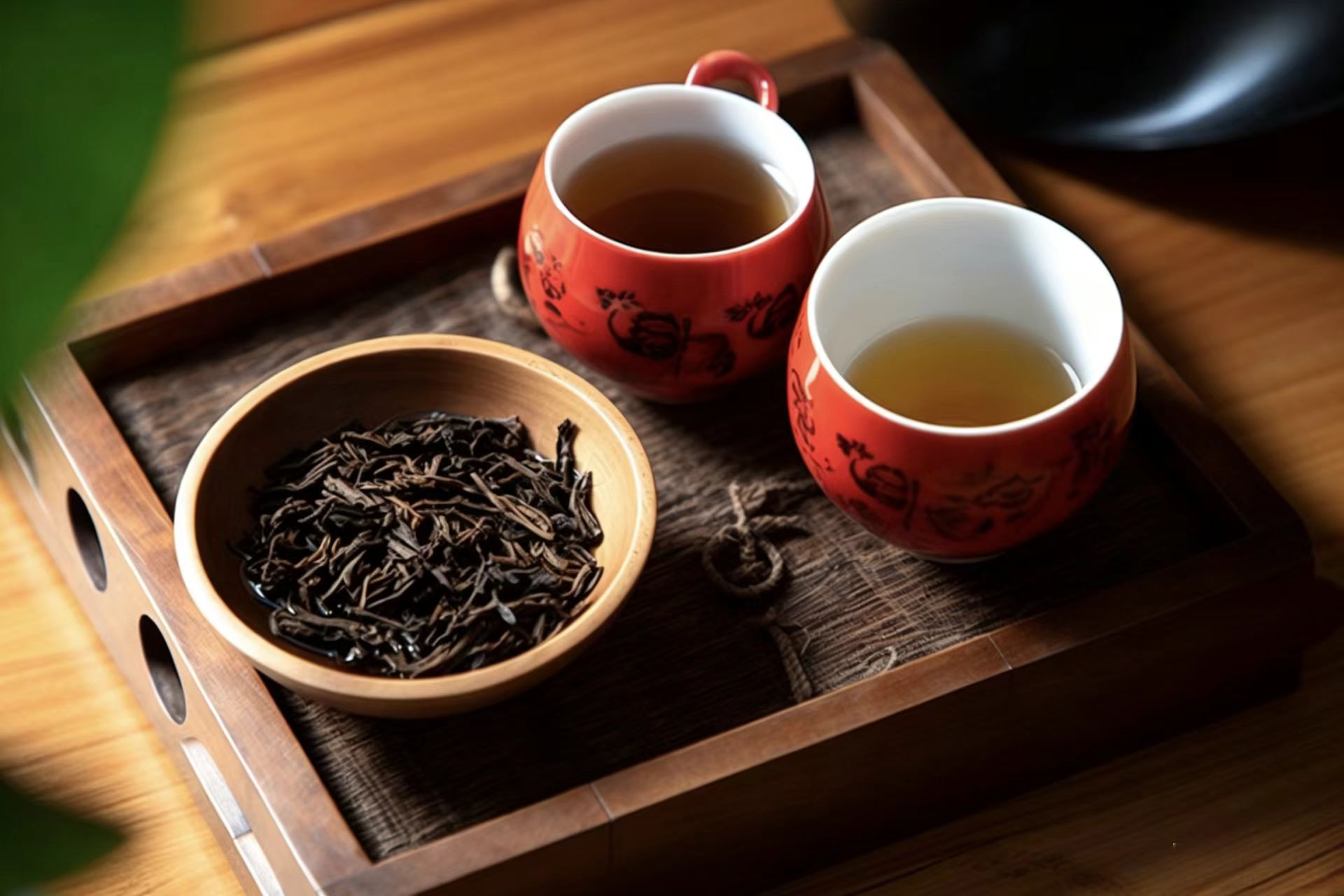
Tea stands as one of China’s most iconic cultural symbols. Traditional tea houses are far more than places to simply drink tea. They serve as public cultural spaces that embody local lifestyles, daily social rhythms, and the laid-back aesthetic of Eastern culture, making them incredibly valuable highlights of cultural travel. Most modern tea shops are heavily commercialized and fail to showcase the authentic essence of tea culture. Traditional tea houses across China feature rich and diverse regional characteristics, including the royal elegance of northern areas, the relaxed daily vibe of the south, the subtle grace of Jiangnan regions, and the down-to-earth folk spirit of Lingnan areas. These venues preserve genuine local styles and offer easy-to-follow cultural insights that clearly reflect the unique tea culture of different parts of China.
Cultural Positioning: Tea Houses as Carriers of Chinese Leisure Life
In China, tea houses are not only places for drinking tea. They have served as public social spaces for thousands of years. Unlike western coffee shops that focus mainly on drinks, Chinese tea houses pay more attention to peaceful atmospheres, slow rhythms and relaxed social interactions. Teahouses in different regions show unique local styles. Northern teahouses look solemn and steady with traditional opera performances. Southwestern teahouses are casual and closely connected with local daily life. Jiangnan teahouses present simple and quiet aesthetics. Lingnan teahouses carry strong local street vibes. Regional teahouses feature distinct layouts and brewing ways, all of which vividly show the rich and diverse traditional tea culture across China.
For foreign tourists, tea houses are easy cultural windows to understand ordinary Chinese people. Visitors can watch locals chatting, resting and socializing without complicated historical background knowledge. Most traditional tea houses keep old styled decorations, retro tea sets and natural brewing methods.

Five Representative Traditional Tea Houses: Regional Cultural Recommendations
Tea houses across China have obvious style differences, and each one reflects local cultural characteristics. This article selects high quality tea houses in Beijing, Chengdu, Hangzhou, Yangzhou and Guangzhou. These locations cover northern capital culture, southwestern street culture, Jiangnan elegant culture and Lingnan folk culture. Travelers can choose destinations according to their personal travel plans. All recommended tea houses are open to the public with low consumption requirements. The cultural explanations are simple and suitable for foreign beginners.
Lao She Teahouse in Beijing is a typical northern tea house and a friendly starting point for foreign visitors. It follows traditional Beijing decoration with wooden structures, vintage lanterns and old fashioned tea tables. Besides tea tasting, the teahouse holds regular cultural shows including Peking opera, shadow puppetry and folk music performances. Visitors can enjoy cultural performances while drinking tea. The teahouse provides multilingual introductions. Staff patiently explain tea sets, brewing steps and northern drinking customs. Mild tea flavors and traditional snacks are perfect for first time tea drinkers. The formal and quiet atmosphere clearly shows the elegant temperament of northern Chinese culture.
Heming Teahouse in Chengdu is a symbolic southwestern folk teahouse. Hidden in the city center People’s Park, it has a history of over one hundred years. Without fancy decorations, it keeps simple wooden tables, bamboo chairs and rough ceramic cups. Local people gather here to drink tea, chat and relax. Travelers can feel the genuine slow paced Chengdu lifestyle. The teahouse mainly serves local scented tea and green tea with simple brewing methods. Visitors can sit under tree shade beside the lake and watch local daily scenes. It has transparent prices and no mandatory consumption. This casual spot is ideal for travelers who love authentic street culture.

Mountain tea houses near West Lake in Hangzhou represent elegant Jiangnan tea culture. Most of these quiet teahouses lie beside Longjing tea gardens, surrounded by green plants and mountains. They stay away from crowded commercial areas. The simple and soft decorations reflect the reserved Jiangnan aesthetic. These teahouses provide authentic Longjing green tea. Staff introduce tea growing environments, picking standards and basic brewing knowledge. Travelers can slowly taste tea in quiet mountain scenery and feel the integration of landscapes and tea culture. With fewer visitors and a private environment, these teahouses suit travelers who prefer peace and light tea flavors.
Empty Cup Teahouse in Yangzhou is a small inclusive traditional teahouse located in an old residential alley. It is partially managed by foreign tea lovers, making it easy to understand the needs of overseas tourists. The building follows classic Jiangnan residential design with clean decorations and delicate tea sets. It mainly serves mild local green tea. There are no complicated strict rules. Staff explain Chinese tea culture in simple language and demonstrate basic brewing skills. The relaxed communication atmosphere is perfect for foreign travelers who want to learn tea culture without strict restrictions.
Old street tea houses in Guangzhou represent Lingnan daily tea culture. These simple local teahouses have long served nearby residents. Due to the humid subtropical climate, local people prefer fermented tea such as pu erh tea, oolong tea and black tea. These warm teas help people adapt to the damp weather. Visitors can observe locals drinking tea, chatting and enjoying snacks in a genuine street atmosphere. With affordable prices and long opening hours, Guangzhou old tea houses are suitable for travelers who love lively local daily scenes.

Suitable Travel Groups: Ideal Visitors for Traditional Tea Houses
Traditional tea houses are friendly to all kinds of travelers with no strict age or cultural restrictions. Cultural lovers can compare northern and southern tea cultures and understand Chinese leisure philosophy. Slow travel lovers can escape busy city life and relax in peaceful tea houses. Photography enthusiasts can take high quality documentary photos of retro tea sets, old buildings and local people. Family travelers can bring children to learn basic tea knowledge and simple manners. For first time visitors in China, tea houses provide a friendly and low pressure environment. With transparent prices and easy communication, tea houses are one of the most approachable cultural spots for foreign tourists.

Practical Travel Tips for Foreign Visitors
Most traditional tea houses open all year round. Spring and autumn are the best visiting seasons. Fresh tea leaves taste sweet in spring, while autumn brings dry and comfortable weather for long tea tasting. Northern tea houses are better to visit in the evening for rich night performances. Southwestern tea houses are recommended for daytime visits to see local crowds. Mountain tea houses in Jiangnan should be avoided on rainy days for safety. Lingnan street tea houses are pleasant to visit in the afternoon.
Traditional tea houses do not have difficult strict etiquette. Visitors only need to keep quiet and avoid hitting tea sets loudly. Always ask for permission before taking photos of local people. Most tea houses accept mobile payment, while a few old street shops only take cash. It is better to prepare a small amount of cash. Tea water stays hot for a long time, so visitors should cool the tea before drinking. Tea flavors vary in different regions. Northern tea tastes strong, southwestern tea smells fresh, Jiangnan tea tastes light and Lingnan tea feels rich. Travelers can choose tea according to personal preference.
It is better to avoid over commercialized internet famous tea shops with high prices and few local visitors. Traditional local tea houses offer more authentic cultural atmospheres. Visitors can ask staff questions about tea knowledge, because most tea house workers are willing to share basic cultural information.
Chinese tea culture is rooted in ordinary daily life instead of luxurious scenic spots. Slow down your travel pace and visit a local traditional tea house during your China trip. Sharing tea with strangers and friends is a key social custom here, embodying the time-honored custom of offering tea to show hospitality in China. Taste warm simple tea, observe relaxed local lifestyles and feel the gentle oriental leisure culture. Start your soothing tea journey and explore the subtle charm hidden in every cup of Chinese tea.
Image sourced from the internet
Copyright Disclaimer for ImagesSome images displayed on this website are sourced from the internet and are used for informational and reference purposes only.We respect the intellectual property rights of all creators. The use of these images is not intended to infringe upon any owner’s copyright.If you are the copyright holder of any image used on this site and believe it is being used without appropriate permission, please contact us. Upon verification of your ownership claim, we will promptly take the necessary action, which may include removing the image or providing proper attribution as per your request.Please reach out to us at: [email protected]