
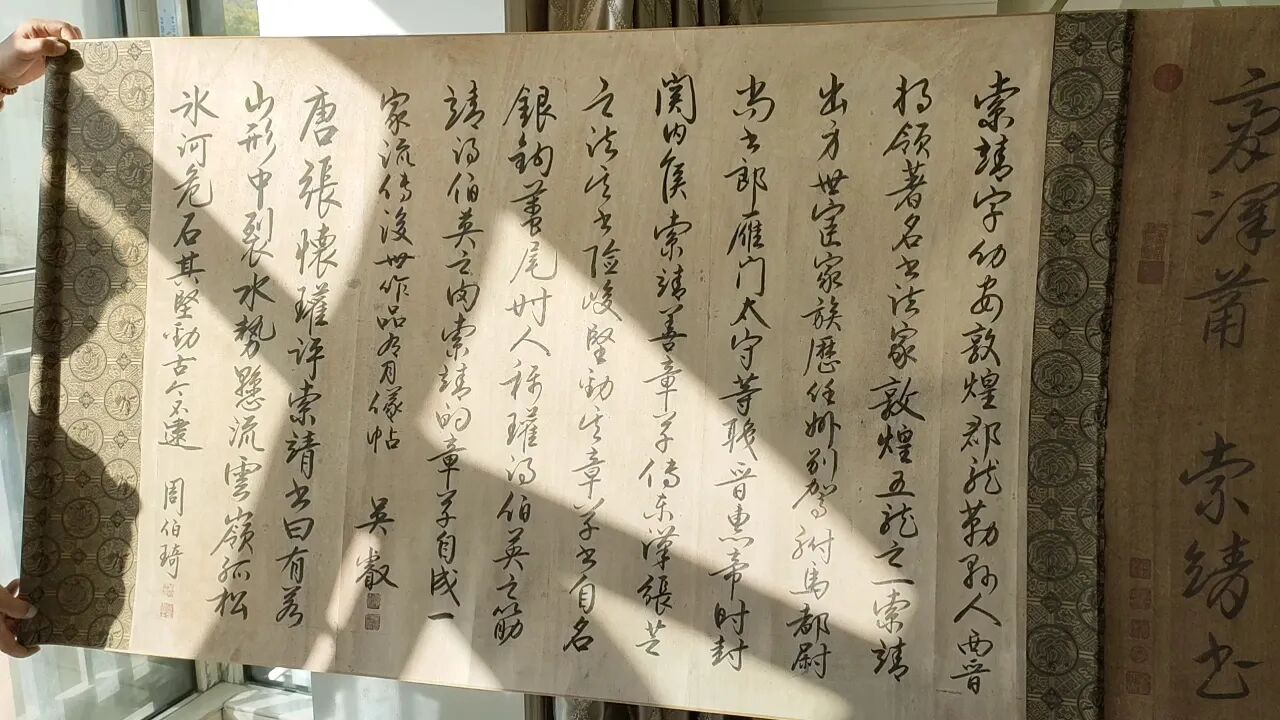
Chinese calligraphy is way more than just putting ink on paper; it’s a blend of physical rhythm, spatial awareness, and deep focus.For anyone visiting from abroad, that first time gripping a brush can feel a bit weird—maybe even a little awkward. Unlike a stiff ballpoint pen, this soft, cone-shaped tool doesn’t do what you tell it to right away. It takes some getting used to. But if you do a little homework and understand the context behind it, that initial clumsiness can easily turn into the most rewarding and therapeutic part of your entire trip. This isn’t just a crafty activity; it’s a direct conversation with Eastern philosophy.
Where to Go: From City Vibes to the Source
Chinese calligraphy is not just writing, but a classic traditional art. You can explore its charm in professional studios across China, though the experience changes depending on where you are. Here are some typical spots to consider based on your route:
- Beijing: Private Sessions in the Hutongs
In Beijing, you can find studios tucked away inside traditional courtyard homes (Siheyuan) in the quieter hutong alleys. These places offer a real local atmosphere. Beyond just learning strokes, you often get a sense of how traditional etiquette fits into modern city life. Some even combine the session with a dumpling-making class or tea tasting for a full cultural deep dive.
- Xi’an: History Right Outside the Door
The Stele Forest Museum in Xi’an is home to thousands of ancient stone tablets inscribed with masterpieces. Right next door, the Shuyuanmen Street area is packed with brush shops and small studios. A great strategy is to check out the museum first to see the historical styles, then walk a few minutes to a nearby studio to try copying them yourself. It helps connect the dots between theory and practice.
- Shanghai & Chengdu: Different Flavors of Chill
Shanghai has plenty of modern workshops geared toward international visitors, with English-speaking hosts and standardized setups—perfect if you want things smooth and easy. Chengdu offers a different pace. There, writing sessions often happen in teahouses or courtyards surrounded by bamboo, focusing more on relaxation and soaking up the local slow-living vibe.
- Anhui (Xuancheng): Tracking Down the Tools
If you’re curious about the tools themselves, head to Xuancheng in Anhui Province. As the birthplace of rice paper (Xuan paper) and ink sticks, this area shows you exactly how these materials are made. You can watch how tree bark is turned into delicate paper and even try pulling a sheet yourself. It gives you a whole new appreciation for what’s happening on the page.

How to Join In: Accessing Local Resources
There are several ways to book a session, depending on how flexible your schedule is:
Check Major Travel Platforms: For those who like to plan ahead, big travel booking sites are the easiest option. Search for terms like “Calligraphy Class” or “Ink Painting.” These usually come with translators and clear pricing, making them a solid add-on to a fixed itinerary.
Browse Social Media & Niche Communities: Many independent artists run their businesses through social media. You can see real photos and reviews from past participants. Reaching out directly via DM or phone feels more personal, though you might need a translation app to communicate.
Walk-Ins & Hotel Concierges: In cultural districts, many street-side studios welcome drop-ins without a reservation. If you’re staying at a nicer hotel, ask the concierge. They usually have a list of vetted local experiences and can hook you up with something reputable.
Ground Rules: Practical Tips & Etiquette
To make sure everything goes smoothly, keep these practical tips in mind:
Protect Your Clothes: Ink stains are notoriously hard to get out, especially on light fabrics. Wear dark or old clothes, and always check if the host provides an apron. Also, maybe leave the fancy watch or silk scarf in the hotel safe.
Handle the Tools with Care: The brush tip is delicate; don’t smash it down on the paper. If you’re sharing a table, respect other people’s space and tools. When you’re done, rinse the brush gently with water and reshape the tip. It’s basic maintenance and shows respect for the craft.
Manage Your Expectations: Nobody writes like a master on day one. It takes years of practice. Instead of stressing over whether your characters look perfect, focus on the feeling of the brush moving across the paper and your breathing. If the teacher compliments your work, just smile and say thanks—no need to put yourself down or argue with them.
Public Etiquette: When learning calligraphy in public studios, please keep quiet and follow basic public behavior rules.

Who It’s For: Finding Your Fit
Calligraphy is surprisingly versatile and works for different types of travelers:
Solo Travelers Seeking Focus: If your itinerary is packed and you need a mental break, this is a great reset. It forces you to slow down and concentrate on tiny movements, almost like a moving meditation.
Families with Kids: Kids love the sensory aspect. Feeling the texture of the paper and watching the ink spread is fascinating for them. Many places offer simplified versions, like drawing pictograms or doing rubbings, which are great for building patience and fine motor skills.
Designers & Creative Professionals: If you work in design or art, pay attention to the negative space and line quality. The way ink fades from wet to dry, and how characters are arranged on the page, offers a completely different visual logic that can be really inspiring.

The Bigger Picture: What the Ink Really Means
Knowing a bit of background makes the experience richer. In Chinese culture, how you write is seen as a reflection of who you are—it’s called the “unity of heart and hand.” The goal isn’t just to make a pretty picture, but to control your breath and energy so that your inner state flows onto the paper. This connection between body movement and mindset is a key to understanding Chinese culture.
Feeling ready to dip that soft brush into the ink? Whether you’re in a skyscraper-filled metropolis or an ancient town, there’s a studio waiting for you. Pull up a maps app, search for the nearest cultural street or art space, and start your own journey into lines and breathing. Leave your own unique mark in the context of Eastern aesthetics.
Copyright Disclaimer for ImagesSome images displayed on this website are sourced from the internet and are used for informational and reference purposes only.We respect the intellectual property rights of all creators. The use of these images is not intended to infringe upon any owner’s copyright.If you are the copyright holder of any image used on this site and believe it is being used without appropriate permission, please contact us. Upon verification of your ownership claim, we will promptly take the necessary action, which may include removing the image or providing proper attribution as per your request.Please reach out to us at: [email protected]