
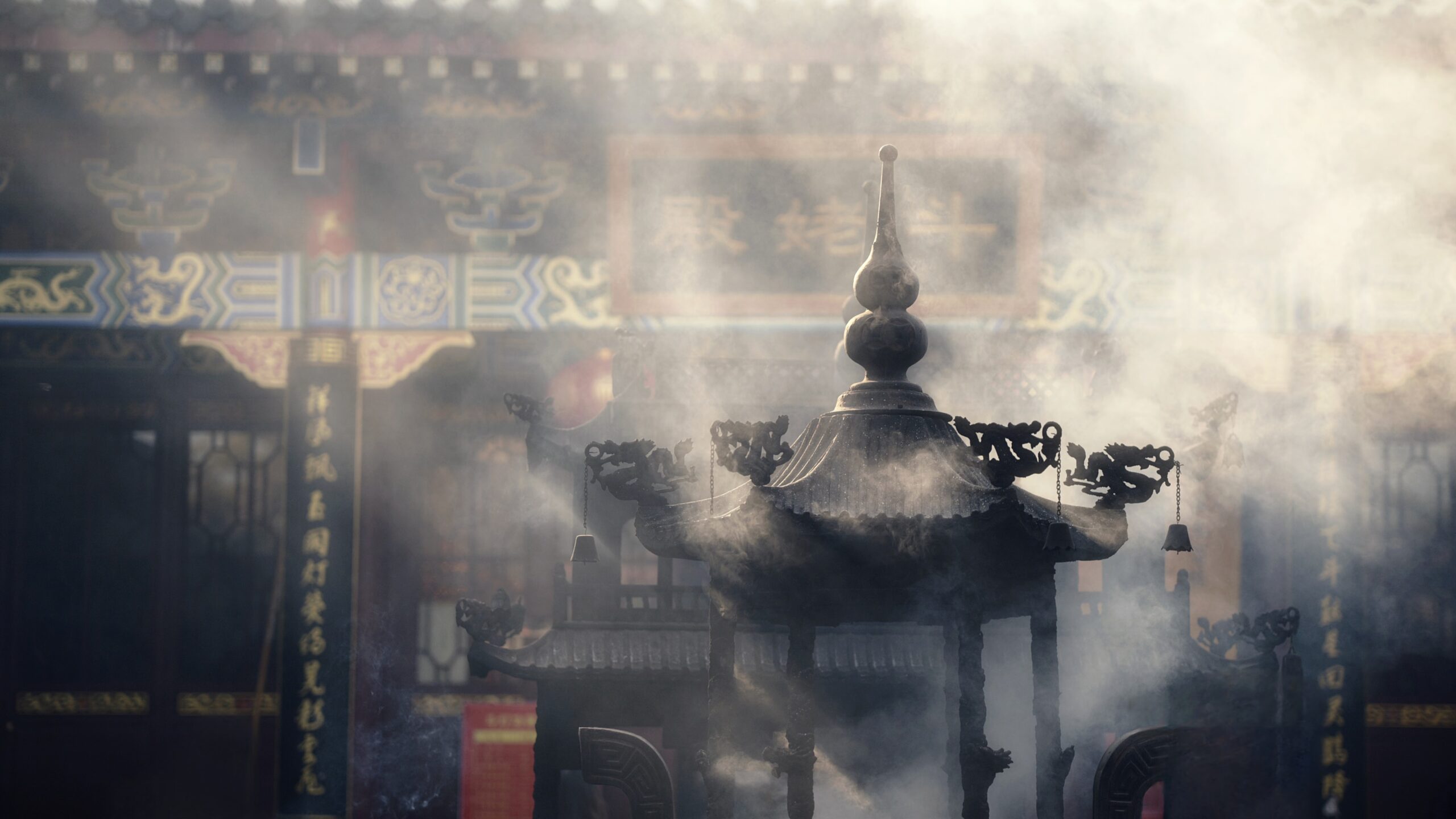
Visiting a Chinese temple is not just sightseeing. These ancient sites are sacred places for Buddhism, Taoism and folk beliefs. For locals, temples are where they pray for health, family happiness and peace. As a visitor, simple and polite behavior shows respect and helps you feel the calm atmosphere. This article explains the cultural background, modern customs, and practical tips for visitors.
The Sacred Background: Why Temples Are Important
Chinese temples have a history of over 2,000 years. They were built with red walls, curved roofs and quiet courtyards. Every design carries traditional meanings: red stands for luck, and the layout shows harmony between humans and nature.
For Chinese people, temples are more than old buildings. They are places of faith and peace. During festivals like the Lunar New Year, many people come to burn incense and pray. Even on normal days, you can see elderly visitors sitting quietly or monks walking slowly. Understanding this sacred feeling is the first step to good etiquette.

Modern Temple Life: Everyday Etiquette in Action
Today’s temples welcome both believers and tourists, but basic rules remain. These are simple ways to keep the space peaceful.
First, dress modestly. Shorts, short skirts, tank tops or revealing clothes are not suitable. At Lingyin Temple in Hangzhou, visitors wearing very short clothes may be asked to cover up with a scarf. A safe choice is long pants, sleeves and covered shoulders and knees.
Second, keep quiet. No loud talking, laughing or music. Temples are for meditation and prayer. If you take selfies, do it softly. Running or jumping inside halls is rude.
Third, do not touch sacred things. Buddha statues, incense burners, old carvings and relics must not be touched. At the Giant Wild Goose Pagoda in Xi’an, touching stone carvings is forbidden because it damages ancient art. No climbing on statues or walls.
Fourth, follow photo rules. Many main halls have “No Photos” signs. Flash photography is almost always banned. Always check signs or ask staff before taking pictures.
Visitor’s Guide: How to Visit Respectfully & Avoid Mistakes
You don’t need to be a believer to visit a temple. Just be polite. Here are easy tips and common misunderstandings.
Practical Tips:
- Bring a scarf or shawl: If your clothes are too short, you can cover shoulders or knees. Many temples rent cheap shawls at the gate.
- Walk carefully: Step over the threshold, do not step on it. If people are praying, stand aside.
- Observe rituals: If you want to burn incense, watch locals first. Usually three sticks, light them, bow three times, and place in the burner. You can also just watch.
- No food or drinks inside halls: Eat only in outdoor gardens or rest areas.
Common Misunderstandings:
- “I can take photos everywhere.”
- Most Buddha halls ban photos to protect art and keep solemnity. Always check signs.
- “Touching statues brings good luck.”
- It damages relics and is disrespectful. Look with your eyes, not hands.
- “Talking loudly is okay when excited.”
- Loud noise disturbs people praying. Speak softly.
- “I can bring snacks into halls.”
- Eating inside sacred halls is impolite.

Closing Thought
Chinese temple etiquette is simple: dress modestly, keep quiet, respect sacred objects, and follow local customs. When you visit with respect, you feel the peace of the place and connect with local culture. Whether you visit a small village temple or a famous site like Shaolin Temple, your polite behavior will make your trip meaningful and unforgettable.
