
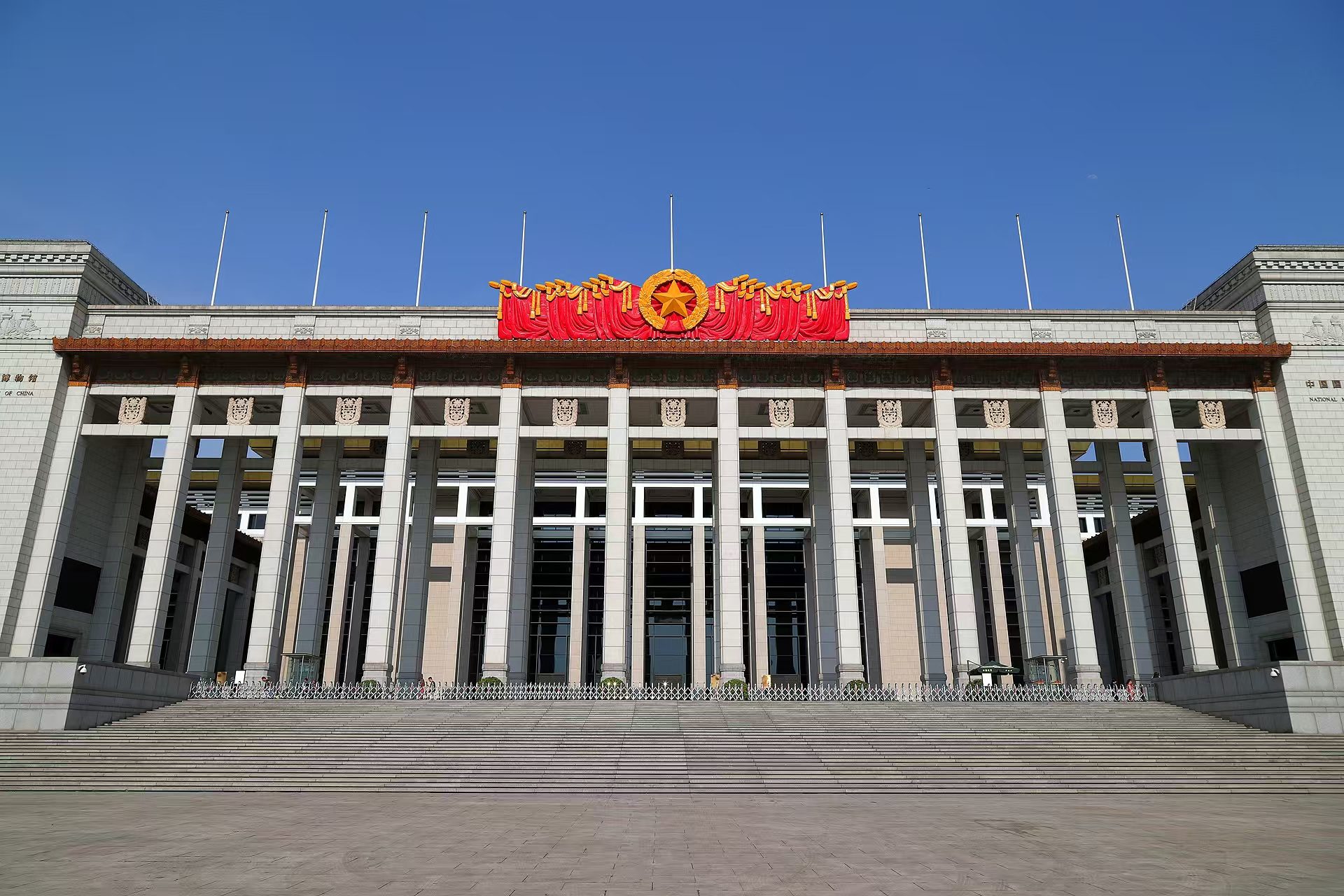
Museums serve as one of the most intuitive windows for international travelers to explore China’s profound history and traditional lifestyles. Unlike fast-paced scenic sightseeing centered on photos and quick stops, museum travel delivers a leisurely, immersive cultural experience rooted in real historical relics. Authentic ancient artifacts allow visitors to closely observe ancient daily life, exquisite traditional craftsmanship and timeless classical aesthetics. Chinese museums feature layered exhibition layouts, diverse interactive displays and standardized bilingual guidance, catering to travelers with all levels of historical background. Visitors can easily interpret the stories behind ancient collections, grasp the context of Chinese cultural inheritance, and access genuine, in-depth cultural experiences that go beyond superficial tourist activities.
Cultural Context: Understand the True Value of Museum Travel
In China’s tourism scene, museums play a key role in preserving and spreading local culture. For foreign visitors, they are the perfect starting point to build a clear understanding of Chinese civilization. Many travelers regard museums as simple indoor sightseeing spots, but each official museum is actually a condensed memory bank of a city or a nation. Unlike outdoor scenic areas that focus on landscape views, museums tell history through real objects, from the shapes and decorative patterns of artifacts to the characters engraved on them. These inscriptions offer visitors a window into ancient Chinese calligraphy art recorded on cultural relics. Every exhibit displayed here was once a daily tool, craftwork or artistic creation used by ancient people.
Museums across China have their own unique features. National museums focus on showing the overall historical development and major cultural achievements of the whole country, while provincial and city museums mainly display local history and folk customs. These cultural venues are rarely commercialized. They provide a quiet and pure visiting atmosphere for travelers who prefer a slow travel pace and want to explore authentic local culture. For foreign tourists, visiting museums is an efficient and low-pressure way to learn about China’s long-standing civilization.

Cultural Highlights: Three Immersive Museum Experiences
Observing ancient daily collections is the most intuitive way to get close to ancient Chinese life. Museum exhibits cover a wide range of items from different historical periods, including pottery, jade, bronze and porcelain works. These cultural relics are more than static displays. They clearly record the craftsmanship, aesthetic trends and living habits of different eras. By watching the shape, patterns, colors and textures of ancient objects, visitors can easily feel the creativity of ancient craftsmen. Comparing the different styles of ancient firing and metalworking techniques helps travelers witness the development of traditional Chinese crafts. Many of the skills represented by these objects are valuable intangible cultural heritage passed down for generations. This offers a more vivid experience than reading textbooks.

Learning historical changes and cultural evolution brings unique in-depth travel value. Most Chinese museums arrange their exhibition halls in chronological order, showing the complete development of local and national civilization. The displays connect simple ancient daily tools, exquisite royal crafts and modern cultural remains, presenting a clear timeline of cultural inheritance and change. For foreign travelers, this linear exhibition design helps organize scattered historical knowledge and build a systematic understanding of Chinese culture, avoiding biased or superficial impressions of Eastern civilization.
Modern cultural interpretation and interactive displays make museum visits suitable for modern travelers. Today’s Chinese museums are no longer just places for displaying old objects. They use detailed text introductions, digital videos, model restoration and audio guides to explain complex historical knowledge in simple ways. Some museums also set up interactive experience areas, allowing ordinary visitors, especially young travelers, to learn traditional culture in a relaxed way. The combination of ancient relics and modern science popularization greatly lowers the learning threshold for foreign tourists and makes cultural exploration fun and easy.
Travel Solutions: Suitable Routes for All Kinds of Travelers
Museum travel is inclusive and friendly to almost all visitor groups. History and art lovers can dive deep into exhibit details and cultural backgrounds to gain professional cultural insights. Casual travelers can enjoy a relaxed visit and enrich their travel experience by learning basic local culture. Family travelers can use vivid ancient relics as lively cultural teaching materials for children and elders. For first-time foreign visitors in China, standardized bilingual introductions and simple exhibition logic make it easy to build a basic understanding of Chinese civilization. With a slow and comfortable visiting rhythm, museum tourism fits diverse travel needs.
This one-day in-depth museum route is highly recommended for foreign tourists and fits well with regular city sightseeing schedules. In the morning, spend three to four hours visiting the city’s main comprehensive museum. Focus on the general history exhibition halls and local characteristic galleries, and use audio guides to learn detailed stories behind key relics. Take a rest at noon to sort out the cultural knowledge you have learned. In the afternoon, visit a special-themed museum, such as porcelain, silk or folk custom museums, to focus on one specific cultural field. In the evening, take a slow walk in ancient streets or historic scenic spots, combining the historical knowledge learned in museums with real ancient scenery to form a complete and vivid cultural experience.

Travel Guide: Practical Tips for Foreign Visitors
Most public museums in China are non-profit cultural institutions. The majority of permanent exhibitions are free to enter, while only special temporary exhibitions require separate tickets. Popular downtown museums usually receive large crowds, especially during holidays. It is suggested that foreign travelers complete real-name reservations on official platforms in advance and check opening hours carefully to avoid unexpected closure or full booking situations. Most museums provide multi-language audio guides, which can greatly improve your visiting experience and help you understand cultural background more accurately.
It is important to follow basic visiting etiquette. Ancient cultural relics are fragile after thousands of years of preservation. Please do not touch the exhibition counters, tap the display glass or speak loudly in exhibition halls to maintain a quiet visiting environment. Flash photography is banned in most indoor areas, as strong light may cause hidden damage to ancient relics. Visitors can pay attention to reminder signs inside the museum. In addition, museum indoor air conditioning is usually cool and stable. It is better to prepare a thin coat for a more comfortable visiting experience.

Try to avoid fast, rushed museum visits. There is no need to finish every exhibition hall in one trip. You can choose the most representative pavilions and focus on appreciating classic collections with the help of audio explanations. Selectively learning core cultural stories is more effective than blind sightseeing. This relaxed visiting method helps foreign travelers gain real cultural gains instead of empty travel records.
Chinese museums are far more than indoor exhibition spaces. They are living carriers of history, preserving the daily life, art and wisdom of ancient people across thousands of years. Every cultural relic on display tells a unique and real story of Chinese civilization. If you are tired of fast-paced scenic spot check-ins and hope to gain real cultural gains during your trip, try adding museum visits to your travel plan. Slow down, observe the delicate details of ancient collections, and listen to the hidden stories behind these cultural treasures. You will find a more authentic, vivid and profound side of Chinese culture during your journey.
Image sourced from the internet
Copyright Disclaimer for ImagesSome images displayed on this website are sourced from the internet and are used for informational and reference purposes only.We respect the intellectual property rights of all creators. The use of these images is not intended to infringe upon any owner’s copyright.If you are the copyright holder of any image used on this site and believe it is being used without appropriate permission, please contact us. Upon verification of your ownership claim, we will promptly take the necessary action, which may include removing the image or providing proper attribution as per your request.Please reach out to us at: [email protected]