
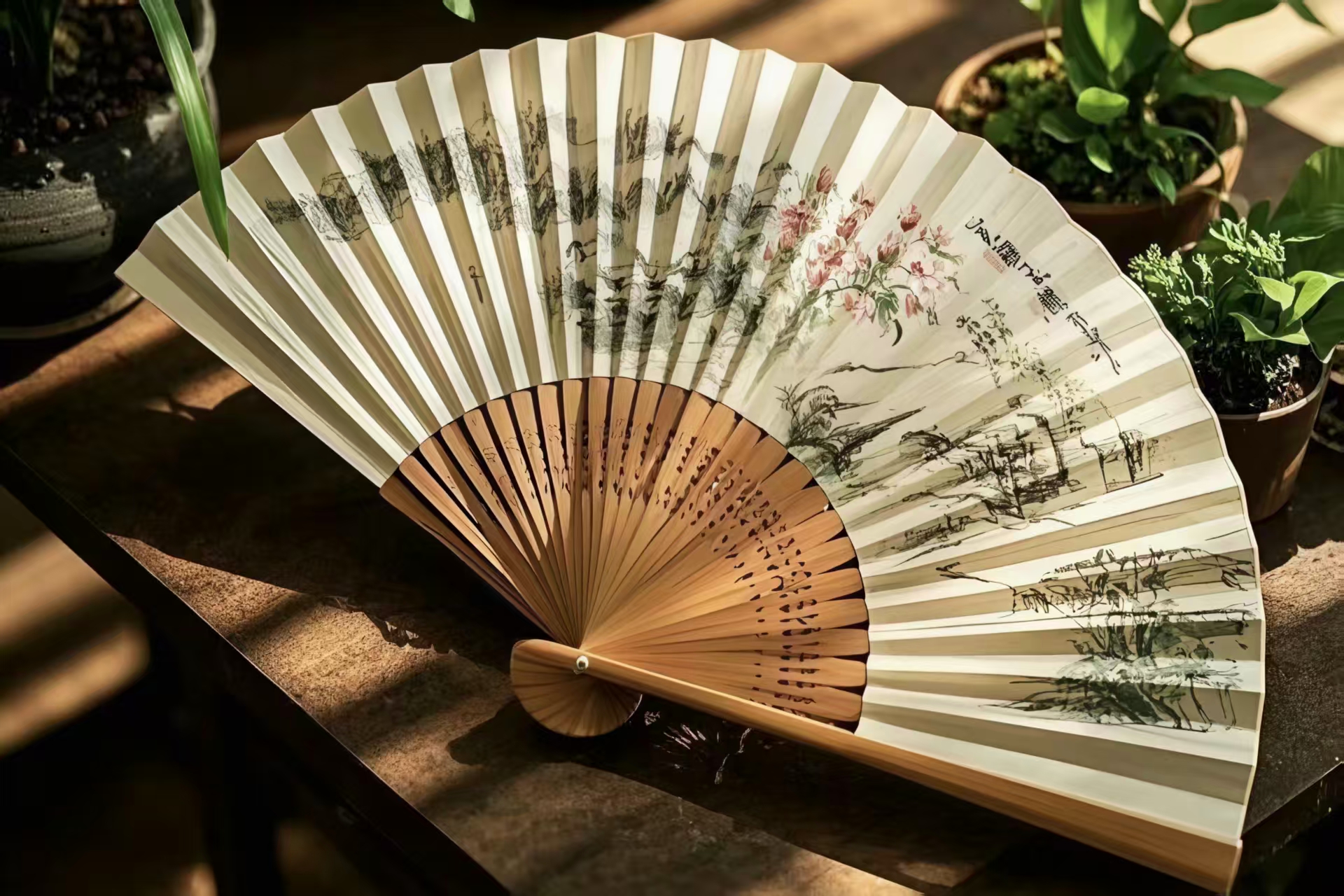
Chinese traditional fans are precious intangible cultural heritage carrying timeless oriental aesthetics. Far more than simple cooling tools, they integrate exquisite craftsmanship, classic poetry, painting art and folk customs. This article introduces premium raw materials, elaborate handmade procedures and distinctive fan styles from representative producing regions. It explores profound cultural connotations and poetic meanings behind fans, and shares accessible ways for visitors to experience this ancient art. Discover elegant Chinese charm and the enduring inheritance of traditional craftsmanship hidden in delicate fans.

In Chinese culture, a fan is never merely a daily cooling utensil. Dating back over three thousand years, it has evolved from ceremonial imperial accessories, elegant collectibles for scholars to common decorations for ordinary people. Many fan-making techniques have been listed as national intangible cultural heritage. Each handcrafted fan combines skilled workmanship, fine paintings and traditional lifestyle wisdom. Compact in size yet rich in connotation, Chinese fans embody traditional etiquette, poetic imagination and unique oriental beauty, serving as a classic cultural symbol spreading Chinese charm worldwide.
Premium Raw Materials for Fan Making
Chinese fan craftsmen select raw materials with strict standards, and different fan types adopt exclusive materials that determine texture, toughness and durability. Bamboo is the most widely used material for fan frames. Craftsmen prefer 4 to 6-year-old wild bamboo growing in shaded areas, which features solid texture and anti-deformation property. High-end fans adopt sandalwood, ebony and red sandalwood. Sandalwood gives out natural fragrance and can prevent insects and mildew. Fan surfaces come in diverse styles. Rice paper fits calligraphy and landscape painting. Silk and damask are applied to round palace fans for graceful looks. Zigong woven fans use ultra-thin bamboo strips, while Hangzhou black paper fans are coated with special persimmon paint, waterproof and sun-resistant. Ox horn acts as firm fan rivets, and jade pendants and tassels serve as delicate ornaments.

Intricate Handmade Craft Procedures
Traditional fan making relies totally on manual work without machine replacement, consisting of three major stages with dozens of fine steps.
First comes material collection and preservation. Bamboo is harvested between autumn equinox and cold dew. Raw bamboo is cut, split and sun-dried for years to avoid cracking. Then workers polish fan frames with cutting, grinding, boiling and drilling processes. Patterns of flowers, mountains and calligraphy are carved on frames with superb skills.
Next is fan surface creation. Artists draw paintings and write poems on rice paper fans. Bamboo strips for woven fans are sliced thinner than human hair and weaved into vivid scenes. Silk fans are decorated with embroidery and hot stamping.
The final step is assembly and finishing. Frames are fixed with ox horn rivets, surfaces are neatly pasted, and tassels and fan bags are matched. A fine handmade fan takes skilled artisans at least three days to finish.

Representative Producing Regions and Featured Fans
Fan making boasts distinct regional characteristics, forming four famous production bases with unique artistic styles.
Suzhou fans from Jiangsu Province stand for southern Chinese elegance. Folding fans, sandalwood fans and silk palace fans are famous for delicate carving and simple design, once served as royal tributes.

Wangxingji fans from Hangzhou, Zhejiang enjoy nationwide reputation. Durable black paper fans can resist rain and sunshine, valued for practical use and collection.
Yuezhou fans in Hunan are made of nan bamboo and rice paper. Produced through 72 sophisticated steps, they are closely connected with local wedding rituals and folk activities.

Gong fans in Zigong, Sichuan are masterpieces of bamboo weaving. Ultra-fine bamboo strips are weaved into lively figures and landscapes, often presented as national gifts to foreign guests.
Poetic Culture and Profound Cultural Meanings
Fans have long been a beloved theme in Chinese poems and literature. Ancient scholars wrote verses praising bamboo fans. Legendary stories about calligraphy on fans have been passed down for centuries. Poets in Tang and Song dynasties expressed inner feelings, homesickness and patriotism with fans. Painting and writing on fan surfaces turn small fans into portable artworks.
Fans carry abundant symbolic meanings. Foldable fans represent flexible attitudes towards life. Bamboo frames stand for noble and upright personality. Round palace fans symbolize completeness and gentleness. They also work as social gifts for friendship and love, playing vital roles in traditional festivals and wedding ceremonies.

Modern Experience and Heritage Ways
Traditional fans remain vibrant in modern society instead of fading away. People can easily experience this intangible heritage in various ways.
Visitors can watch live fan-making demonstrations in heritage museums across Suzhou, Hangzhou, Yuezhou and Zigong. Art-focused east China sightseeing tours bring visitors to traditional fan-making workshops.Beginners can join DIY workshops to paint and write on blank fan surfaces. Handmade fans can be daily cooling tools, home decorations and traditional style accessories. Cultural research courses also offer systematic learning opportunities for people to master basic fan-making skills and inherit ancient craftsmanship.

Traditional Chinese fans are extraordinary intangible cultural treasures combining fine materials, elaborate crafts, regional features, poetic culture and folk customs. They reflect Chinese people’s aesthetic taste, artisans’ persistence and profound traditional culture. With new forms of experience, collection and decoration, ancient fans keep glowing in modern times. Discover fan art during your Jiangnan garden cultural travel.Understanding Chinese fans helps people appreciate implicit and elegant oriental aesthetics, and feel the everlasting charm of time-honored cultural heritage.