
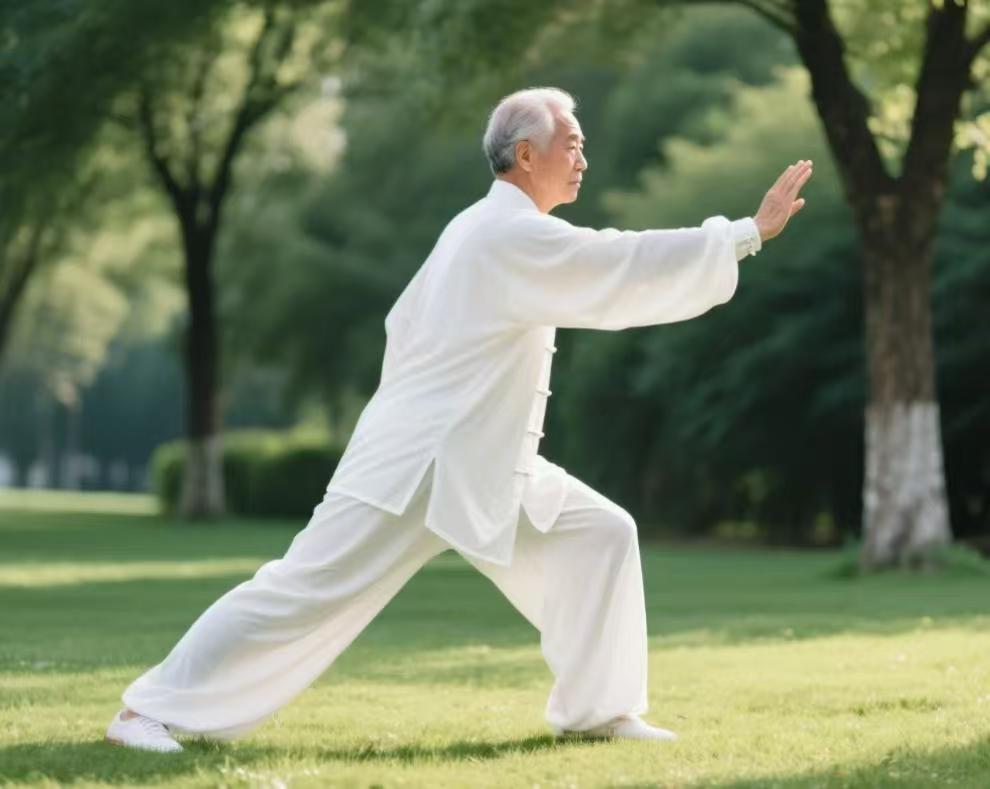
Tai Chi is a classic form of traditional Chinese wellness practice with centuries of history, embodying core Eastern philosophies for physical and mental balance. Unlike competitive sports built around speed and confrontation, its movements flow gently and smoothly, pairing controlled breathing with relaxed bodywork to calm the mind and ease physical tension. It has blended seamlessly into local everyday life across China. Every early morning, groups of regulars gather freely at city parks and open public spaces to practice together. There are no strict entry rules or rigid requirements, so anyone can join in at their own pace based on personal fitness. Through slow, continuous motions, participants get a genuine feel for ancient Chinese wellness culture and its laid-back lifestyle values.
Common Spots for Morning Tai Chi
Urban public parks are the main venues for Tai Chi practice and the easiest places for tourists to encounter this local culture. Groups of locals can be found practicing Tai Chi in almost every open public park across cities nationwide. Flat open grounds, lakeside paths and square platforms are regular training spots favored by residents.
Most Tai Chi sessions take place in public areas free of charge, with no strict access restrictions. Parks in big cities and historic tourist destinations gather more practitioners, raising your chances to join or watch. Parks in smaller cities feature quieter surroundings and slower training pace, ideal for visitors who prefer peaceful vibes.
There are no fixed boundaries for practice areas. You can stand nearby and watch as long as you do not block walking routes. Groups have slight differences in training styles. Some follow unified movements strictly, while others practice freely. Feel free to walk around and pick a comfortable spot to stay.
Parks are the best places to learn Tai Chi and experience local life. Simple Chinese greetings will help you communicate with Tai Chi lovers.

Simple Ways to Take Part
No advance booking or professional sports skills are required for first-time participants. Local practitioners are friendly and welcoming to foreign guests, and they will not demand perfect moves from visitors.
You can simply stand on the edge to observe first. Watch how people coordinate body movements and breathing. If you want to have a try, quietly walk to the side or end of the group and follow the moves casually. There is no need to keep up with the exact speed, just move at your own comfortable pace.
You can greet the group leader politely to show your willingness to join. Language barriers will not hinder your experience, since you can learn mainly by imitation. You decide how long you stay. You can practice for a short while or finish a full routine, and you may leave and rest anytime without limitation.

Useful Tips for a Nice Experience
Proper dressing and polite behavior ensure pleasant experience. Loose and lightweight clothes are recommended, as tight outfits and thick coats will restrict body stretching. Sneakers and soft flat shoes work best, while high heels and hard leather shoes are not suitable for practice areas.
Stay quiet and respectful during activities. Avoid loud talking and interrupting the ongoing practice. Always ask for permission before taking photos or videos to respect locals’ daily fitness routine. Do not push your body too hard. Simplify movements whenever you feel uncomfortable, especially if you have stiff joints or low stamina.

Morning hours are the prime time for group Tai Chi, with the best atmosphere from sunrise until 9 a.m. Far fewer people practice at noon and evening. Outdoor activities will stop on windy and rainy days, and prolonged practice is not suggested under hot weather.
Who Can Enjoy This Experience
This cultural activity has loose requirements for participants. People who enjoy light workouts and early morning walks can easily fit into the group. Travelers interested in folk culture and unique local lifestyles will also love learning about Chinese wellness philosophy through Tai Chi.

Gentle movements bring little physical pressure, making it a nice leisure choice for senior visitors. Young travelers can treat it as a great way to relieve stress and ease tiredness caused by busy sightseeing.
People suffering from joint problems, heart issues or lacking regular exercise are advised to watch rather than perform intense moves. Those who favor high-intensity sports may not enjoy the slow rhythm and can view Tai Chi as a special local scenery instead.
Cultural Meaning Behind Slow Movements
Tai Chi is an integral part of the traditional Chinese lifestyle, deeply rooted in the philosophy of Yin and Yang. Embodying enduring cultural values, it harmonizes gentle movements with mindful breathing to calm both body and mind. Unlike high-intensity competitive sports, Tai Chi enhances physical well-being through slow stretches and deliberate relaxation, making it a favored practice among locals for relieving everyday stress.
Regular practice helps people ease fatigue and stabilize mood, maintaining positive mental state. Group practice in parks also creates chances for neighbors to socialize and spend spare time together, strengthening daily interpersonal bonds.
Travelers do not have to master profound cultural thoughts thoroughly. Just feel the balance of motion and stillness, and sense the unique charm of Eastern wellness culture totally different from your familiar sports style. Every simple step and gesture brings you closer to authentic local culture.

Adjust your travel schedule and head to local morning parks to experience authentic Tai Chi. Slow down your sightseeing pace, explore charming Eastern culture and create exclusive memorable moments on your trip.
Image sourced from the internet
Copyright Disclaimer for ImagesSome images displayed on this website are sourced from the internet and are used for informational and reference purposes only.We respect the intellectual property rights of all creators. The use of these images is not intended to infringe upon any owner’s copyright.If you are the copyright holder of any image used on this site and believe it is being used without appropriate permission, please contact us. Upon verification of your ownership claim, we will promptly take the necessary action, which may include removing the image or providing proper attribution as per your request.Please reach out to us at: [email protected]