
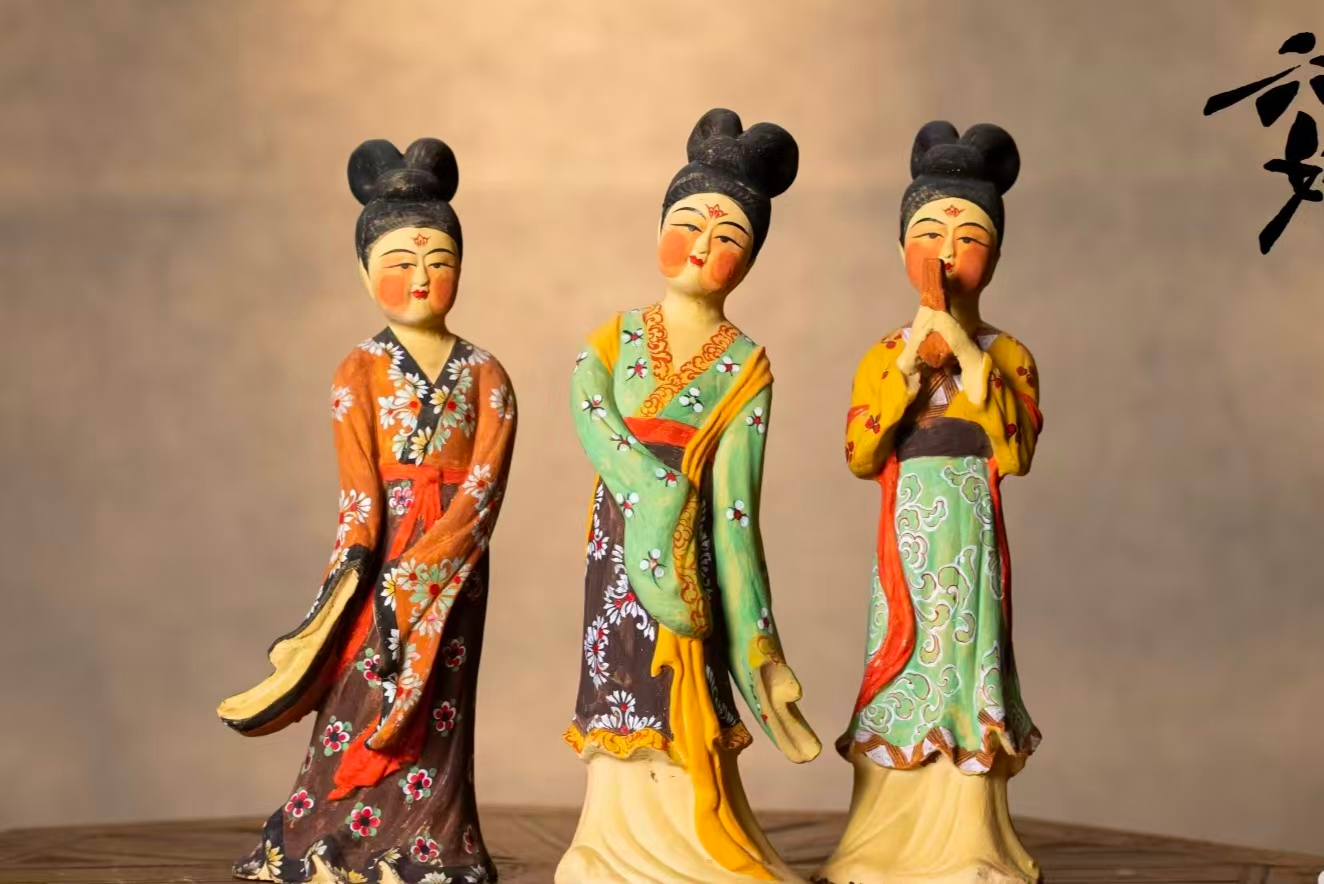
Clay figurines are a precious national intangible cultural heritage of China. Made from local natural clay through kneading, shaping, air-drying and painting, they feature distinctive styles in Wuxi, Tianjin, Fengxiang and Gaomi. These lovely crafts carry rich traditional meanings for festivals, blessings and folk customs. Nowadays, travelers can visit ancient craft villages and studios to watch artisans at work, or even try making clay figurines by themselves. It is a wonderful way for foreign visitors to get close to authentic Chinese folk culture and learn the warm stories behind these simple yet amazing handmade artworks.

Clay figurines are one of the most popular and lively intangible cultural heritages across China. They are simple hand-made artworks created from ordinary clay, yet they carry rich local traditions and life stories. Different from many fancy art pieces, clay figurines use natural local materials and follow unique handcraft skills passed down for generations. Each region in China has its own clay figurine style, with special shapes, bright colors and deep cultural meanings. For foreign visitors, these lovely little crafts are an easy and fun way to understand Chinese folk life, traditional beliefs and ancient craftsmanship.
Raw Materials: Natural Clay from Local Land
Chinese clay figurines mainly rely on natural clay taken from nearby places. Local people choose clay carefully according to what they want to make, and different clay creates different art styles.In northern areas like Shaanxi and Shandong, people use thick and firm loess. This kind of clay is sticky and not easy to crack, perfect for making bold and strong animal figures. In southern Wuxi, people use special black clay. It is soft and smooth, ideal for creating cute round-shaped characters.Artisans also add simple natural materials to improve the clay. They mix in cotton fibers to stop the clay from breaking. A little rice soup or honey can make the clay softer and easier to shape. All paints used are natural mineral or plant dyes. These natural materials keep the works long-lasting and eco-friendly, showing the wisdom of ordinary Chinese people.

Production Steps: Traditional Handmade Skills
Though clay figurines vary in looks, they share the same basic making steps. Every step needs patience and careful work, and all works are finished by hand.
- First, prepare the clay. Workers pick out stones and grass from the clay, add water and knead it again and again. Then they leave the clay to rest for more than half a month, so it becomes soft and steady enough to shape.
- Second, make the basic form. Artisans shape the clay with bare hands, or use simple old molds to make the main outline. They create lively people, animals and mythical figures with great care.
- Third, air dry slowly. The wet clay pieces can never be put under direct sunlight. They are placed in cool and windy places to dry naturally for several days. Some northern clay works will be lightly fired to become stronger.
- Fourth, draw and paint. People first cover the dry clay with a white base, then draw clear lines and fill in bright colors such as red, yellow and green. The colors look warm and eye-catching.
- Last, add a protective layer. Artisans use egg white or natural varnish to cover the surface. This step keeps the colors bright and protects the works for a long time.

Famous Regional Styles across China
Clay figurines have developed many classic styles in different parts of the country. Each style stands for local beauty and folk culture.
- Wuxi Huishan Clay Figurines.Located in southern China, this style is famous for chubby faces and round bodies. The most well-known character is Da A Fu, a lovely child figure. Local people believe it can bring good luck and peace to families. Its colors are soft and bright, fully showing the gentle style of southern Chinese folk art.
- Tianjin Clay Figurine Zhang.This style is famous for its real and detailed looks. Artisans are good at making characters from daily life, traditional operas and old stories. Every facial expression and small detail is vivid, just like real people. It is highly praised as a top folk art in China.

- Fengxiang Clay Figurines (Shaanxi).Coming from northwest China, these works have bold shapes and strong colors. The most typical design is clay tigers. Their patterns come from ancient Chinese art, and local people regard them as guardians to keep bad luck away. They are widely used during festivals and family celebrations.
- Gaomi Clay Figurines (Shandong).Its most popular work is the clay tiger whistle. With a small hole on the body, it can make sweet sounds when blown. It is both a fun toy and a lucky decoration. It mixes local painting and paper-cut art, and is a must-have craft for traditional festivals in northern China.

Cultural Meanings: More Than Just Decorations
In China, clay figurines are far more than simple toys or decorations. They have become an important part of people’s daily life, festivals and traditional customs.During major festivals, families place clay figurines at home to wish for happiness and safety. In Spring Festival, people put clay tigers and Da A Fu to welcome good fortune. On Mid-Autumn Festival, special clay rabbit figures are used to celebrate family reunion.They also play important roles in life ceremonies. When a baby is born, people send small clay animal figures, hoping the little one can grow up healthy and strong. For weddings, special clay works stand for wishes for a happy family.Besides good wishes, clay figurines also record old daily life. Many pieces show farming work, street scenes and traditional stories. They keep the old folk culture alive and carry Chinese people’s simple wishes for a better life.

Ways to Experience Clay Figurine Culture
Travelers do not have to just watch these artworks from a distance. There are many easy ways to experience clay figurine culture in person.You can visit traditional craft villages. Liuying Village in Fengxiang and Niejiazhuang Village in Gaomi are famous clay art villages. You can walk around old workshops and watch skilled artisans show the whole making process.You can also join hands-on experience classes in cultural studios or tourist spots. No experience is needed.
Parent-child cultural trips across China reserve DIY clay sculpting activities for family visitors.|Parent-child cultural trips.You can knead clay, shape small figures and paint colors by yourself, and take your own clay work home as a special souvenir.In addition, many museums and cultural centers hold clay figurine exhibitions all year round. You can enjoy classic works from different regions and learn more about their interesting stories.

From common soil to wonderful handcrafts, Chinese clay figurines carry thousands of years of folk culture and handmade skills. With simple natural materials and pure handwork, they show the beauty of Chinese folk art and the warm side of local life.Today, this ancient intangible cultural heritage is well protected and developed. It keeps its traditional charm while combining with modern creative designs. For visitors from all over the world, clay figurines are a great window to know real Chinese folk culture. When you touch the clay and make a small craft by hand, you will truly feel the stories and warmth behind these lovely little art pieces.