
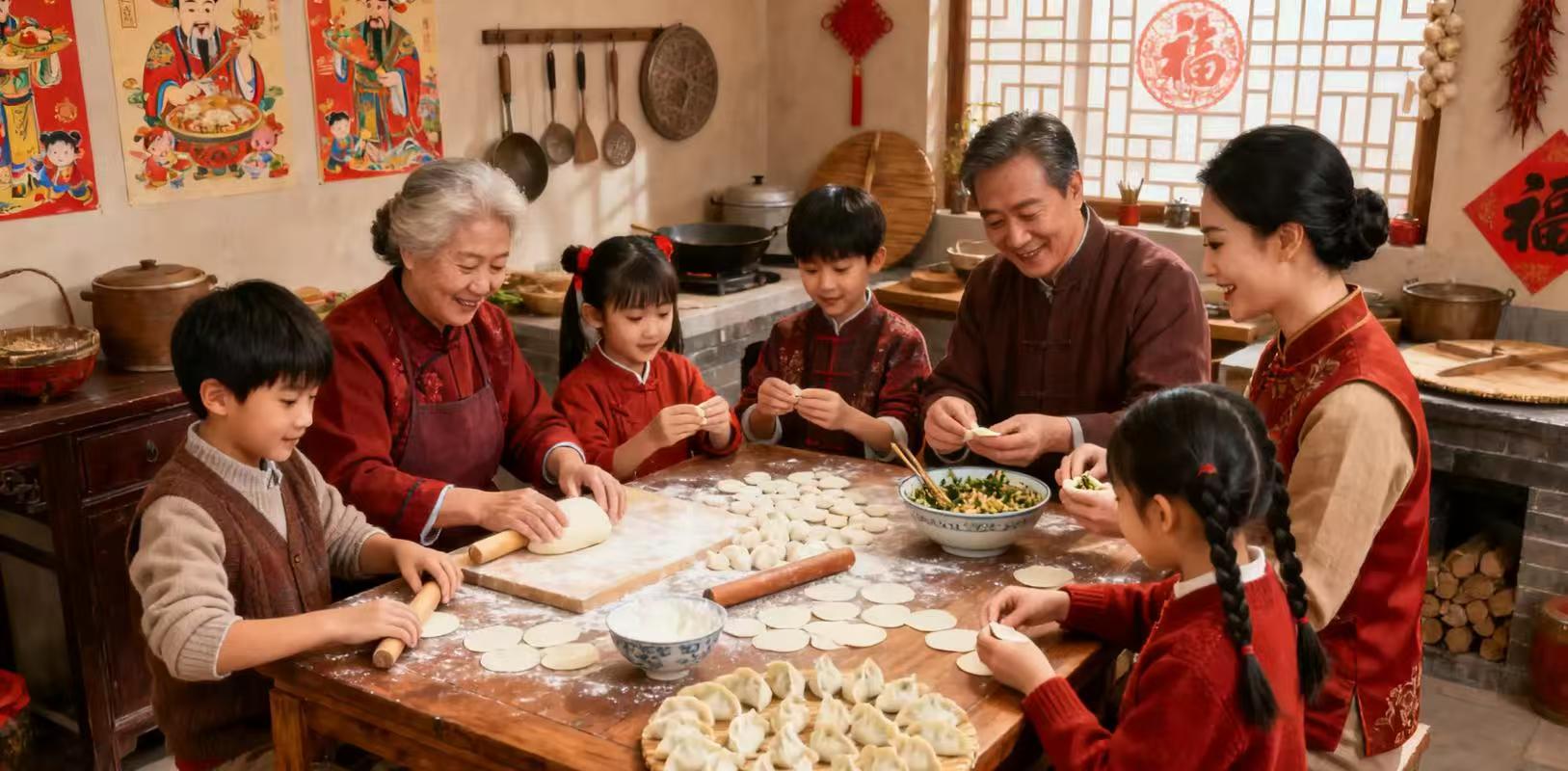
Joining a local cooking class is one of the best ways to dive deep into China’s everyday food culture. Food is a universal language, and iconic staples like dumplings and hand pulled noodles carry generations of local eating habits, social customs, and daily wisdom. This guide focuses on hands on Chinese cooking experiences and answers all the key questions international travelers have: where to join classes, how to book, what rules to follow, and who this experience suits perfectly. It also breaks down the cultural meaning behind home style Chinese food and compares cooking class features across different Chinese cities. Packed with practical pre-class, in-class, and post-class tips, this guide helps travelers move beyond basic tourism. By making authentic dishes with your own hands, you can truly understand how inclusive and diverse Chinese food culture is, offering a real and valuable cultural experience for anyone traveling in China.
The Heart of Chinese Food: More Than Just Cooking
In China, cooking is never just a way to prepare meals. It is a living cultural tradition passed down through centuries. Unlike Western cuisine that follows fixed, standardized recipes, traditional Chinese home cooking is flexible and ingredient-focused. It prioritizes bringing out the natural flavor of fresh produce, and every local dish reflects the lifestyle of the people who created it. Simple foods like dumplings and handmade noodles are far more than ordinary meals; they are central to family gatherings, daily social life, and welcoming guests. Many traditional foods are connected with festivals, and dumplings and fish carry special festival food meanings in China.
In northern China, families make dumplings for festivals and casual get-togethers. The process of folding dumplings together is a warm way for family members to bond and spend quality time. Hand-pulled noodles are popular across the entire country, with different regions developing unique textures and flavors that adapt to local climates and living habits. Taking a Chinese cooking class is not just about learning recipes. It lets you slow down, experience ordinary local life, and feel the simple, inclusive, and down-to-earth spirit of traditional Chinese culture — exactly why food based cultural experiences are so popular among foreign visitors.

Best Cities for Chinese Cooking Experiences
Most popular travel cities in China offer beginner friendly cooking classes designed specifically for international tourists. Each destination has its own signature dishes and local flavors, so you can easily fit a cooking session into your existing travel route without traveling out of your way.
Beijing and Xi’an specialize in classic northern Chinese cuisine. Their classes mainly focus on handmade dumplings, chewy hand pulled noodles, and traditional northern staple foods. These lessons are simple, authentic, and perfect for travelers who want to explore traditional northern Chinese home flavors. Guangzhou and Chengdu offer totally different regional styles. Guangzhou’s courses highlight light, fresh Cantonese snacks and noodles, while Chengdu’s classes feature bold, spicy Sichuan home cooking with strong local characteristics.
Cities like Shanghai and Hangzhou provide a balanced mix of northern and southern cooking styles. Their diverse menus include classic noodles, dumplings, and delicate Jiangnan side dishes, suiting travelers with flexible taste preferences. Most cooking studios are located in city centers or old town areas with easy access to public transport. Many also include ingredient introductions and cultural explanations to create a complete and immersive experience.

How to Join: No Experience Required
Many foreign travelers worry that language barriers or zero cooking skills will hold them back. In fact, almost all tourist-oriented Chinese cooking classes are designed for absolute beginners, with super simple processes and no strict entry requirements.
Booking is extremely flexible. You can reserve spots through international travel platforms, local mini-programs, or even sign up in person after arriving in the city. Most studios accept same-day bookings. A typical class lasts 2 to 3 hours, with a relaxed, unrushed pace. Before the class starts, instructors will show you all fresh ingredients and tools, and briefly introduce local food culture related to the dishes you will make.
The entire practical session is taught with step by step, hands on guidance. You will learn how to knead dough, roll wrappers, mix fillings, fold dumplings, pull noodles, and adjust seasonings. Instructors will help you fix mistakes, so there is plenty of room for beginners to learn. No professional cooking knowledge is needed, and anyone can finish a complete dish independently. After cooking, you can enjoy your homemade meal on-site, and some studios even allow takeaways, letting you fully enjoy the fun of hands on cooking. Making dumplings and noodles is a popular activity for travelers, and when tasting your handmade food, knowing standard chopstick usage will help you dine properly.

Experience Guidelines: Etiquette and Cultural Tips
To ensure a smooth and pleasant experience while respecting local culture and studio rules, there are a few simple guidelines you can follow. These rules are easy to understand and never overly strict.
All ingredients are freshly prepared. If you have food allergies, dietary restrictions, or prefer vegetarian options, remember to inform the staff in advance during booking, and they will adjust the menu accordingly. Wear loose, comfortable clothing for cooking, and avoid light-colored outfits that get stained easily. Cooking studios usually provide aprons and disposable gloves, so you do not need to bring professional equipment.
During the class, follow the instructor’s guidance and avoid wasting ingredients, as respecting food is an important part of Chinese dining culture. You are welcome to take photos and videos, but try not to interrupt the teacher or distract other participants. Also, do not stress about making perfect dishes. Chinese home cooking has no rigid standards. Creating food that suits your own taste is the true charm of local Chinese cuisine.
Dining Etiquette: Cooking classes often include group dinners. Learning table manners will make your dining experience more pleasant.

Ideal Travelers for This Experience
Chinese cooking classes suit a wide range of travelers. It is perfect for anyone who loves immersive cultural travel and wants to skip typical crowded scenic spot check-ins. Making food by yourself lets you connect with authentic local daily life and create unique travel memories far beyond ordinary sightseeing.
It is also a wonderful choice for food lovers and cooking enthusiasts. You can learn real home style Chinese cooking techniques and understand the flavor differences between different Chinese regions. Families with kids and groups of friends will also enjoy this interactive experience, as the relaxed cooking process adds fun and warmth to your trip.
This activity may not be the best fit for travelers with extremely tight schedules or fast paced, packed itineraries. Cooking classes require continuous, slow participation and are not designed for quick check-ins. Overall, if you are willing to slow down and embrace new experiences, you will gain a rewarding and memorable cultural experience.

The best part of traveling is not just seeing new scenery, but feeling the local culture with your own hands. Add a Chinese cooking class to your China travel bucket list. Learn to make authentic dumplings, handmade noodles, and classic local flavors. Through kneading, seasoning, and cooking, you will discover the warm, everyday charm of Chinese food culture. This heartfelt cultural experience will make your China trip more unique, vivid, and unforgettable.
Image sourced from the internet
Copyright Disclaimer for ImagesSome images displayed on this website are sourced from the internet and are used for informational and reference purposes only.We respect the intellectual property rights of all creators. The use of these images is not intended to infringe upon any owner’s copyright.If you are the copyright holder of any image used on this site and believe it is being used without appropriate permission, please contact us. Upon verification of your ownership claim, we will promptly take the necessary action, which may include removing the image or providing proper attribution as per your request.Please reach out to us at: [email protected]