
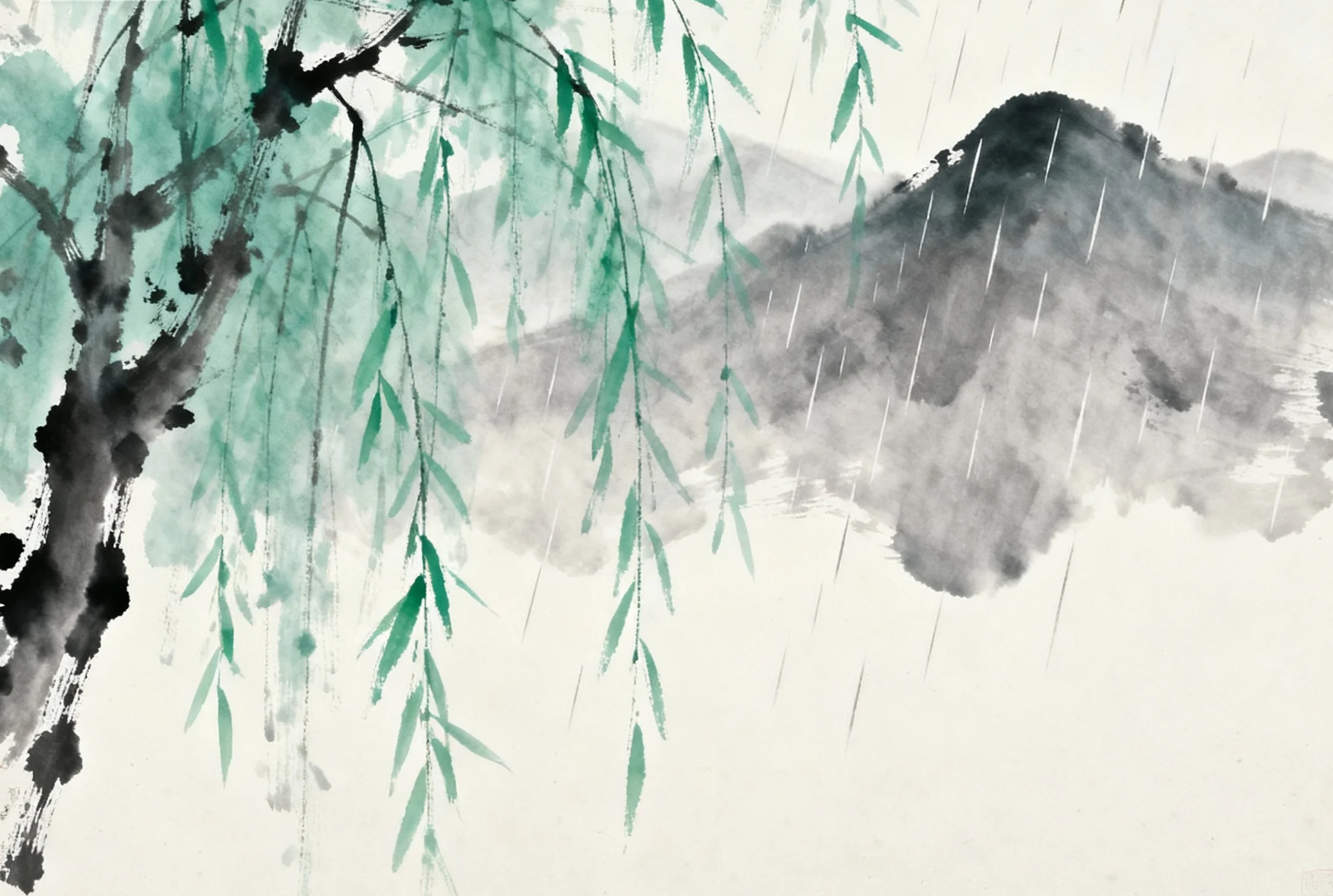
“Imagine a day in early April China: families gather in serene cemeteries, cleaning graves with care. A few hours later, the same families are laughing in parks, flying kites under the warm spring sun. This is not a contradiction; this is the Qingming Festival.”

Spatial-temporal positioning and cultural heritage
Precise Temporal Node: Occurring annually between April 4th and 6th (104 days after the winter solstice), this period marks the time when the atmosphere turns clear and nature revives. It serves not only as a crucial farming season but also symbolizes the cyclical renewal of life in the natural world.
Unique Cultural Status: As the only one among China’s four major traditional festivals that coincides with a solar term, it was listed among the first national-level intangible cultural heritage items in 2006, reflecting its distinctive value within the traditional cultural system.
Dual Cultural Dimensions:
Rhythm of Nature: As an important solar term guiding agricultural activities, it embodies the ancient wisdom of observing nature and harmonizing with celestial rhythms.
Continuity of Human Spirit: Through its evolution over millennia, it has integrated Confucian ethics with Daoist natural philosophy, forming a cultural bond that connects historical legacy with the present.
The Legend Behind Qingming Festival
The origin of the Qingming Festival is closely tied to a legend from the Spring and Autumn Period involving Jie Zitui. When Prince Chong’er of Jin was in exile, Jie Zitui famously “cut flesh from his own thigh to nourish his lord.” After Chong’er became Duke Wen of Jin, Jie Zitui, disdaining fame and fortune, retreated into seclusion with his mother in Mianshan.In an attempt to force him out, Duke Wen set fire to the mountain. Unexpectedly, Jie Zitui chose death over submission, perishing with his mother while embracing a willow tree. To honor this loyal subject, Duke Wen decreed the following day as the Cold Food Festival (which later evolved into the Qingming Festival), mandating extinguishing all fires and eating cold food in remembrance.The miraculous revival of the willow tree further endowed the festival with its symbolism of “bidding farewell to the old and welcoming the new,” elevating Qingming from a simple solar term into a significant traditional holiday imbued with themes of loyalty, filial piety, and philosophical contemplation of life.
Qingming Festival: Cultural Connotations in Contemporary Customs
Ancestral Worship Rituals
Clearing weeds symbolizes “casting off the old,” while adding fresh soil signifies “welcoming the new.” Offering seasonal green rice cakes (Qingtuan) creates a shared moment of “communal dining across time” with ancestors.
Spring Outing Activities
The act of cutting the kite string while flying it corresponds to the psychological release of “shedding misfortunes.” Wearing willow twigs continues the ancient plant worship tradition of “warding off evil and inviting blessings.”
Dietary Wisdom
Regional specialties like Jiangnan’s green rice cakes (mugwort for dispelling dampness) and northern China’s fried dough twists (Sānzi, preserved through frying) both embody health-preserving logic aligned with seasonal rhythms.
The Wisdom of Life in Qingming: Embracing Vitality through Honoring the Past
The Qingming Festival, through its unique arrangement of rituals, establishes a profound inner connection between solemn remembrance and joyful spring outings, revealing a wisdom of life that is distinctly Chinese:
A View of Time that Connects Past and Present
Sweeping the tombs and honoring ancestors is not only an act of remembrance but also a way to place individual life within the historical continuum of family lineage, establishing a blood connection that transcends time and space.
A View of Nature that Embraces Harmony between Heaven and Humanity
Spring outings allow people to experience the cycle of life through the changing seasons, appreciating the philosophical concept of harmonious coexistence between humans and nature.
A View of Life that Looks Death in the Face and Embraces Living
Through contemplation of passing, one gains a deeper understanding of life itself, leading to a greater appreciation for the present and a desire to live life with greater breadth and depth.
This festival’s essence, which integrates death and life, sorrow and joy, reflects a deep understanding of the life cycle and the philosophical wisdom of “life and death as one” within Chinese culture. The Qingming Festival is not merely a traditional holiday but a vivid education in life, allowing people to comprehend the true meaning of existence through its rituals.

During the Qingming Festival, please observe the following precautions:
Safe Worship Practices: When paying respects at gravesites, be mindful of your surroundings to prevent fires. Refrain from burning paper or incense, especially in forested areas.
Traffic Safety: Plan your travel route in advance and try to avoid peak hours. Observe traffic rules and maintain orderly conduct on the roads.
Fire Prevention Awareness: As the festival falls during the spring fire-prevention period, exercise strict control over open flames to prevent forest fires.
Respect for Traditions: It is advised that pregnant women avoid visiting gravesites. Wear modest, plain-colored clothing as a sign of respect for the deceased, and refrain from taking photographs in cemetery areas.
Safeguard Belongings: Keep personal items secure to prevent loss. Parents with children should ensure close supervision at all times.
Following these guidelines will help ensure a safe and smooth experience during the Qingming Festival.
Copyright Disclaimer for Images
Some images displayed on this website are sourced from the internet and are used for informational and reference purposes only.
We respect the intellectual property rights of all creators. The use of these images is not intended to infringe upon any owner’s copyright.
If you are the copyright holder of any image used on this site and believe it is being used without appropriate permission, please contact us. Upon verification of your ownership claim, we will promptly take the necessary action, which may include removing the image or providing proper attribution as per your request.
Please reach out to us at: [email protected]