
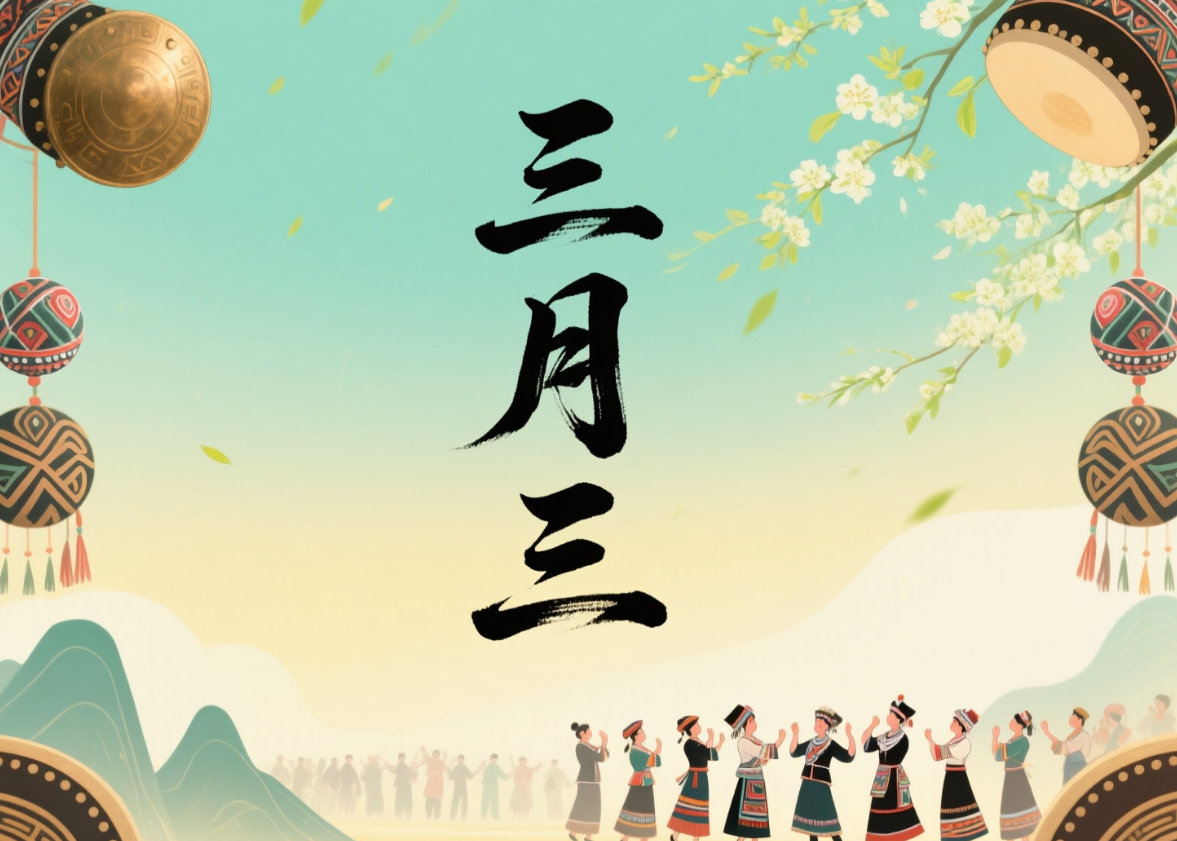
Imagine the vibrant hills of Guangxi echoing with melodious antiphonal songs. Young Zhuang women, adorned in exquisite embroidered dresses, toss embroidered balls to their admirers, while the air is filled with the scent of colorful glutinous rice. This is the ‘San Yue San’ Festival—a thousand-year-old celebration where life, love, and spring converge. Far more than just a date on the lunar calendar, it’s Southeast China’s most poetic and lively cultural carnival, inviting you to feel the pulse of ethnic minority traditions.
Festival Snapshot: A Spring Celebration of Poetry and Song
The “San Yue San” (Third Day of the Third Lunar Month) is a millenia-old spring invitation, a romantic rendezvous where multiple ethnic groups celebrate the season together.
Alternative Names:The elegant and ancient “Shangsi Festival,” the vibrant and lively “Song Festival,” and the youth-oriented “Daughters’ Festival.”
When:The 3rd day of the 3rd lunar month (typically in April on the Gregorian calendar), arriving as spring reaches its peak.
Where:Primarily celebrated across southern Chinese provinces like Guangxi, Guizhou, Yunnan, and Hainan.
Who:A shared tradition among the Zhuang, Dong, Miao, Yao, Li, Han, and other ethnic groups.
Core Experience:An expression of love for nature and life through outings, antiphonal singing, social gatherings, and prayers for blessings.
Legendary Stories of the “San Yue San” Festival
Han Chinese Origin: The Shangsi Festival Purification Rite and Spring Prayers
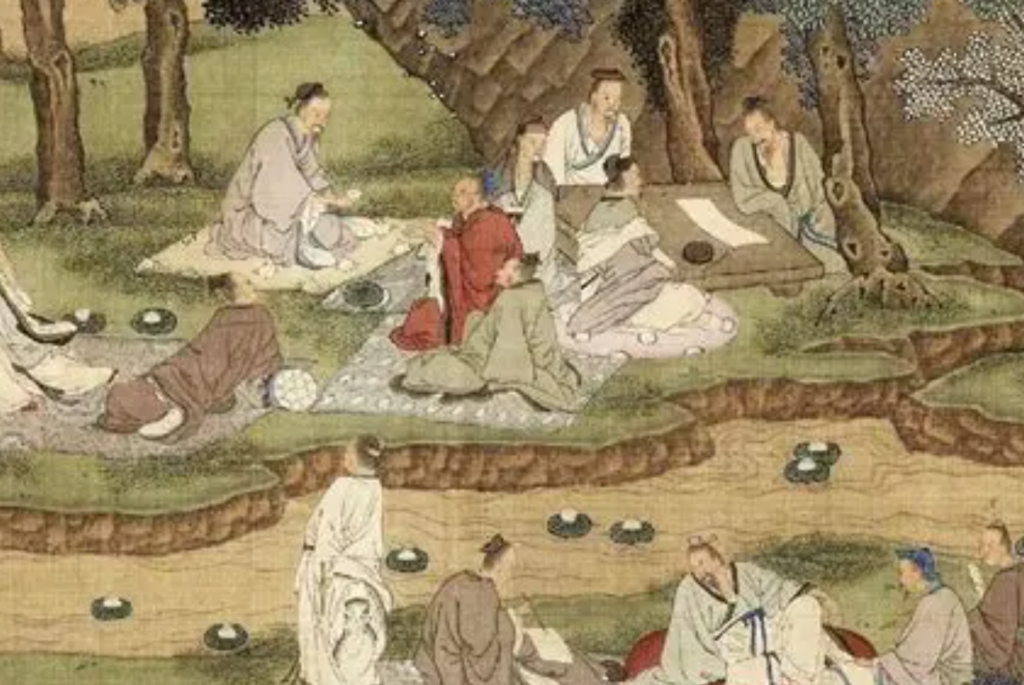
In ancient belief, while spring was a season of rejuvenation, it was also thought to awaken dormant evils and maladies. Thus, on the third day of the third lunar month (known as “Shangsi Day” in antiquity), people performed an important ritual—the “Fúxì” purification ceremony. Through rituals such as bathing in orchid-scented water and offering prayers by the water’s edge, they sought to cleanse away the accumulated impurities of winter, ward off misfortune and disease, and welcome the vitality and blessings of the new season. This ancient tradition, rich in ritual significance, gradually evolved to include spring outings and the elegant “Flowing Wine Cup” poetry game, reflecting the reverence of early Chinese civilization for the cycles of nature and their aspirations for a harmonious life.
Zhuang Legend: The Eternal Ballad of Song Fairy Third Sister Liu
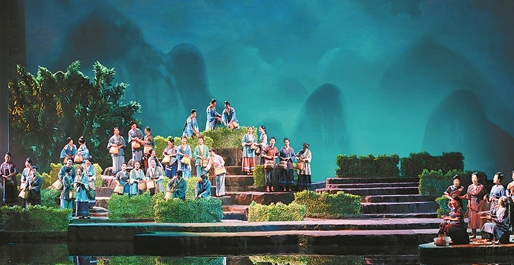
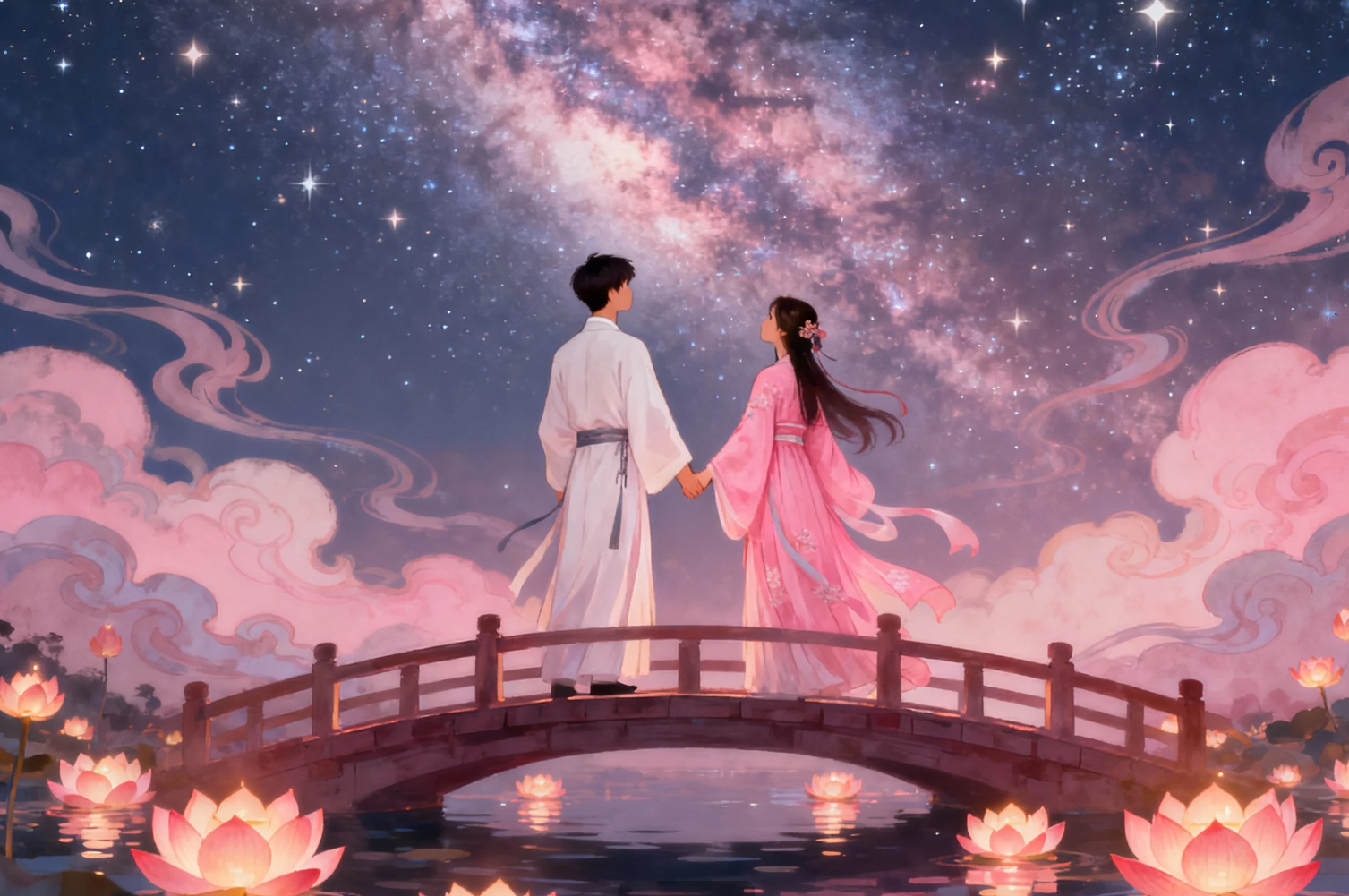
The captivating legend of Song Fairy Liu Sanjie has long been cherished in Guangxi. Renowned for her wit and extraordinary singing talent, she used folk songs to celebrate labor, convey wisdom, and voice the concerns of the common people, which led to persecution by local tyrants. Tradition holds that on the third day of the third lunar month, Liu met her tragic end, her spirit becoming one with the green mountains and clear waters. To honor the courageous song fairy, the Zhuang people gather annually on this day at song fairs, where they befriend others through song and express their emotions through music, making “San Yue San” a vibrant festival carrying their collective memory and cultural identity.
How does Guangxi’s ‘San Yue San’ (March Third) Festival Stay Relevant in the Present Day?
The significance of Guangxi’s “San Yue San” Festival is reflected in a multidimensional integration of values: it serves not only as an important marker of Zhuang cultural identity, achieving the dynamic preservation of intangible cultural heritage through activities such as antiphonal singing at song fairs and ethnic dances, but also as a bridge connecting the emotions of multiple ethnic groups, deepening national unity through collective celebration. Furthermore, the festival has successfully stimulated cultural tourism economies, transforming unique cultural resources into attractive tourism products, while providing a distinctive space for emotional exchange among the people. It has become a significant cultural bond linking traditional memory with the modern spirit.
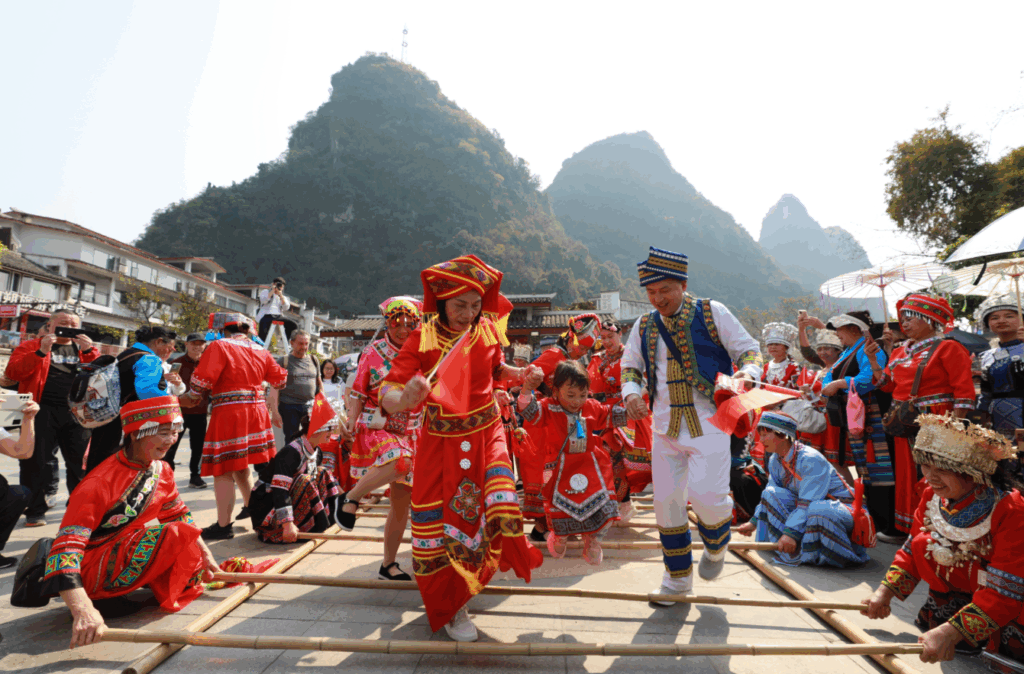
Decoding ‘San Yue San’: Feeling the Zhuang Ethnic Group’s Ode to Life in Song, Dance, and Food
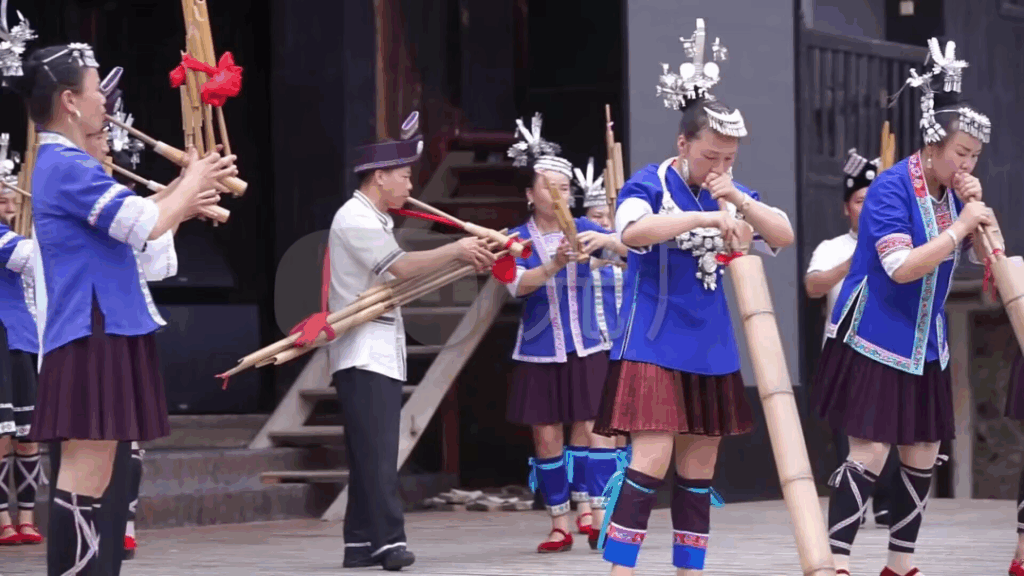
1.Antiphonal Singing
Young men and women gather on hillsides, riverbanks, or at designated song fairs, engaging in impromptu antiphonal singing. This practice, where songs convey affection and serve as a way to make friends, is a vital means of preserving folk song culture.
| You can try: Even if you don’t know the words, you can feel the flirting tension and poetic rhythm. Local singers often improvise welcomes to visitors – just smile and nod to the melody! |
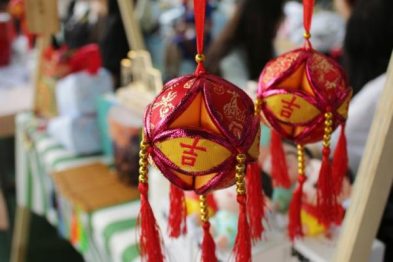
2.Throwing Embroidered Balls
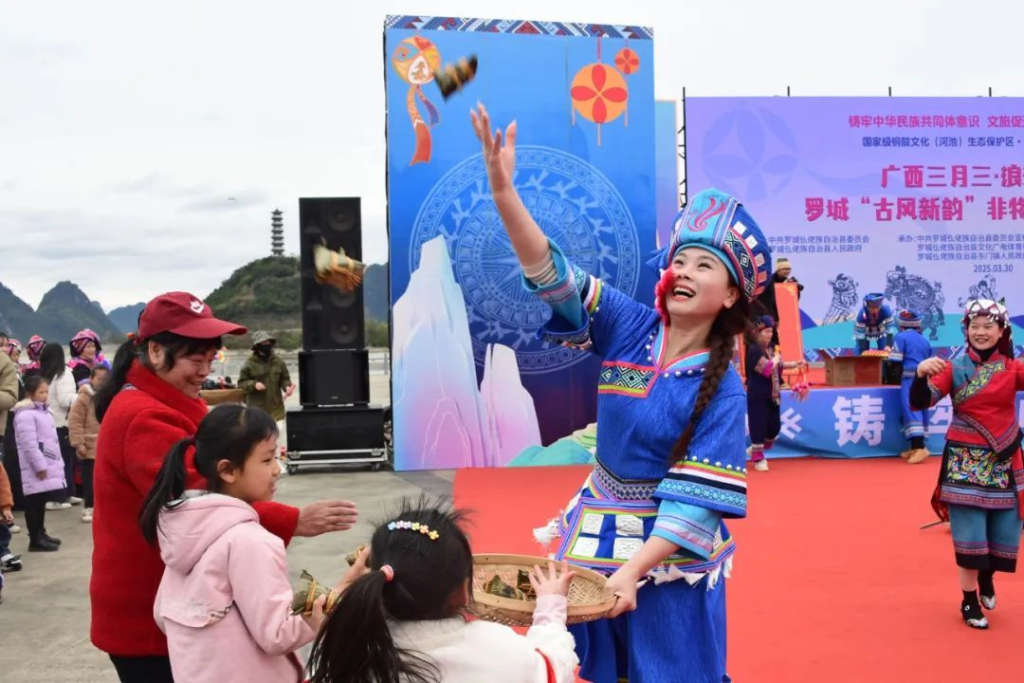
Young women toss meticulously embroidered balls towards men they admire. This activity is not only an entertaining folk game but also a unique way to express romantic interest.
You can try: It’s like a graceful, ancient version of ‘catch’. Visitors are often invited to join the fun. Catching one is considered a sign of good luck!
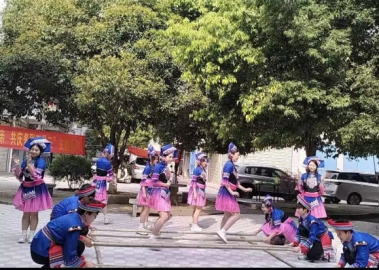
3.Bamboo Pole Dancing
Participants nimbly jump between bamboo poles that are rhythmically tapped together and moved apart. The movements are lively, the atmosphere is boisterous, and it is an immensely popular interactive performance during the festival celebrations.
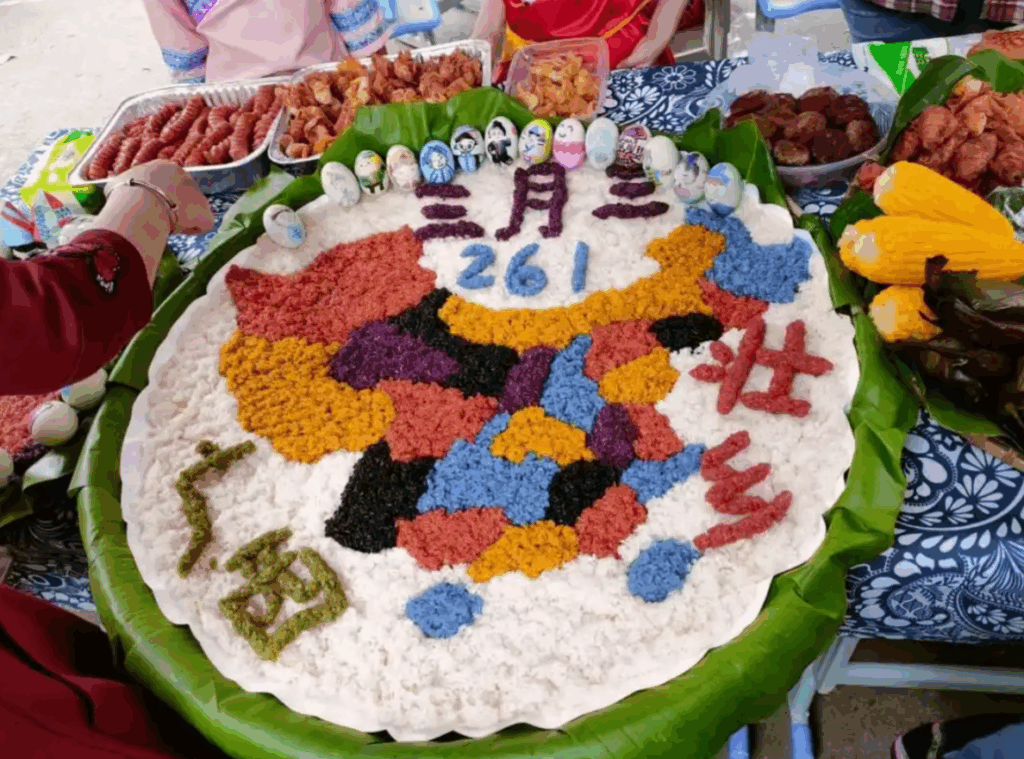
4.Making Five-Colored Glutinous Rice
Glutinous rice is soaked in natural dyes made from plants like maple leaves and red blue grass to achieve five vibrant colors before being steamed. The resulting rice is colorful, fragrant, and delicious, symbolizing a bountiful harvest and auspiciousness.
You can try: Follow the scent to the food stalls. Each color comes from plants – it’s a feast for both the eyes and the palate, and a perfect Instagram story.
5.Catching the Firework Ring (Snatching the Flower Bomb)
This is a highly competitive event that requires participants to utilize running, blocking, passing, and other team strategies to seize the “firework ring.” Known for its high intensity and spectator appeal, the activity is often referred to as the “Oriental Rugby.”
Innovation and Development of Modern Activities
To adapt to the pace of modern life and promote the widespread dissemination of traditional culture, the “March 3rd” festival celebrations have taken on new, diversified, and integrated forms in contemporary society:
Cultural Festival Events:Local governments lead the organization of comprehensive cultural festivals that integrate folk performances, intangible cultural heritage experiences, and food markets. This allows the public to engage with traditional customs in a more intuitive and interactive manner.
Plan Your ‘San Yue San’ Adventure:The festival is now a public holiday in Guangxi, making it the perfect time to visit. Major cities like Nanning and Guilin host large-scale official galas, while more authentic, grassroots celebrations can be found in surrounding villages like Yangshuo. Check the lunar calendar—the festival usually falls in early April—and book your trip to witness China’s most vibrant ethnic Valentine’s Day and spring festival rolled into one.
School Education and Inheritance:A growing number of schools are incorporating “March 3rd” culture into the classroom. Through activities such as trying on traditional costumes, learning folk songs, and creating folk handicrafts, these efforts aim to strengthen teenagers’ awareness and identification with their ethnic culture, ensuring its transmission to future generations.
“Which custom intrigues you the most? Is there a similar festival in your culture? Share your thoughts in the comments below!
#ZhuangCulture #SanYueSan”
Copyright Disclaimer for Images
Some images displayed on this website are sourced from the internet and are used for informational and reference purposes only.
We respect the intellectual property rights of all creators. The use of these images is not intended to infringe upon any owner’s copyright.
If you are the copyright holder of any image used on this site and believe it is being used without appropriate permission, please contact us. Upon verification of your ownership claim, we will promptly take the necessary action, which may include removing the image or providing proper attribution as per your request.
Please reach out to us at: [email protected]”
Leave a Reply